



Measuring your weight alone is not enough – Why this scale tells the full truth about your health journey
Gerda Engelbrecht
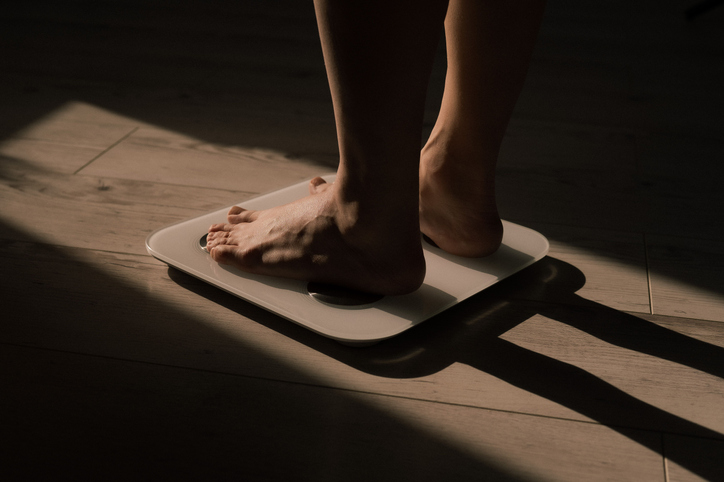
Nobody likes getting on a scale. Yet anyone who has committed or recommitted to healthier living knows that peculiar love-hate relationship well. You dread it, but you also need it – because sustainable lifestyle change demands proper tracking. You can’t manage what you don’t measure. But using a scale that only tells you your total weight? That’s not enough. I’ve been using the Xiaomi S400 for 6 months and this is my experience.
Why weight is only part of the story
I’m in my 50s, and about 18 months ago I started a serious weight loss journey. Like most people my age, I wasn’t just worried about the number on the scale – I was concerned about losing muscle mass instead of fat. At this stage of life, muscle preservation isn’t vanity; it’s essential for mobility, metabolism, and quality of life as I age. I’m also mindful of osteoporosis risk and wanted to keep a close eye on my bone health whilst losing weight.
Here’s what I discovered the hard way: a normal bathroom scale is practically useless for this kind of journey. It only measures one thing – total mass. It can’t distinguish between fat, muscle, water, or bone. During my first three months of training and eating better, my weight barely moved. According to my old scale, nothing was happening. I felt stronger, my clothes fit differently, but that number stayed stubbornly high. Without better data, I would have assumed my efforts were failing.
Why you need a body composition scale
The S400 doesn’t just give you a number and send you on your way. It builds a complete health profile. Beyond body fat percentage and muscle percentage, it tracks bone mineral density (crucial for someone my age monitoring osteoporosis risk), basal metabolic rate, body age, visceral fat levels, and BMI. All of this data syncs seamlessly to the Xiaomi Home app via Bluetooth 5.0, where it’s stored and displayed in easy-to-read graphs and charts.
This historical tracking has been genuinely life-changing. When I can see a trend line showing my body fat percentage dropping by 10% whilst my muscle mass actually increased by 2,3kg over six months, I get real validation that my efforts are working.
This data is equally valuable for people adding creatine to their diet. Creatine causes water retention in muscles, which often shows as weight gain on a basic scale. With the S400, you can see that the number going up is muscle mass and water – not fat. That’s the difference between panicking and staying the course.
The science behind it is straightforward: the scale sends a gentle, imperceptible electrical current through your body. Because different tissues (fat, muscle, water) conduct electricity differently, the scale can calculate your body composition with impressive accuracy. Xiaomi benchmarks the S400’s measurements against DEXA scans – the gold standard used in medical settings – achieving a correlation coefficient of ≥0,93 for key metrics like body fat percentage. That’s remarkably precise for a consumer-grade device.
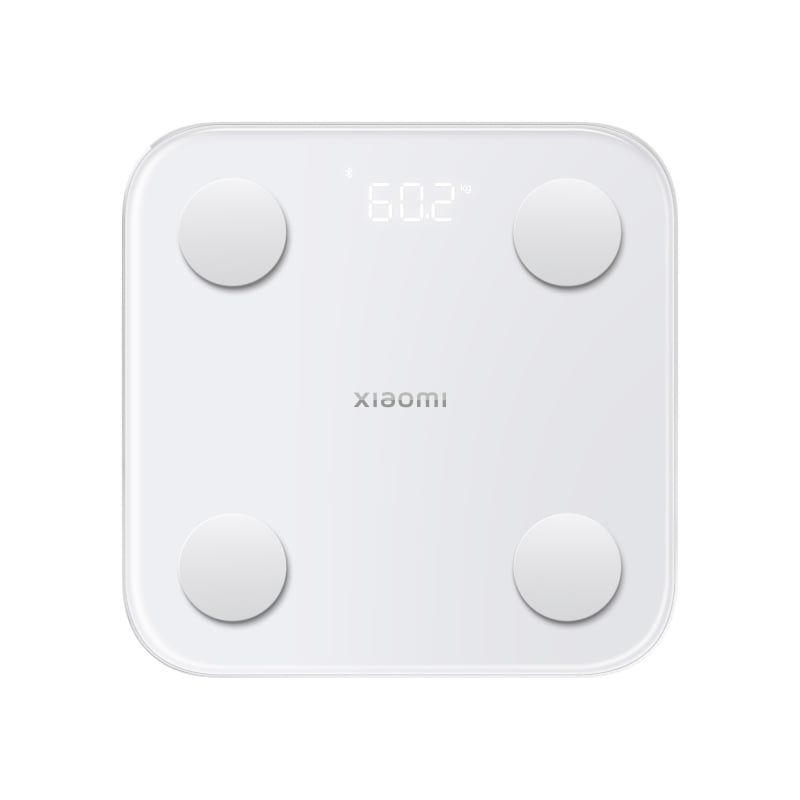
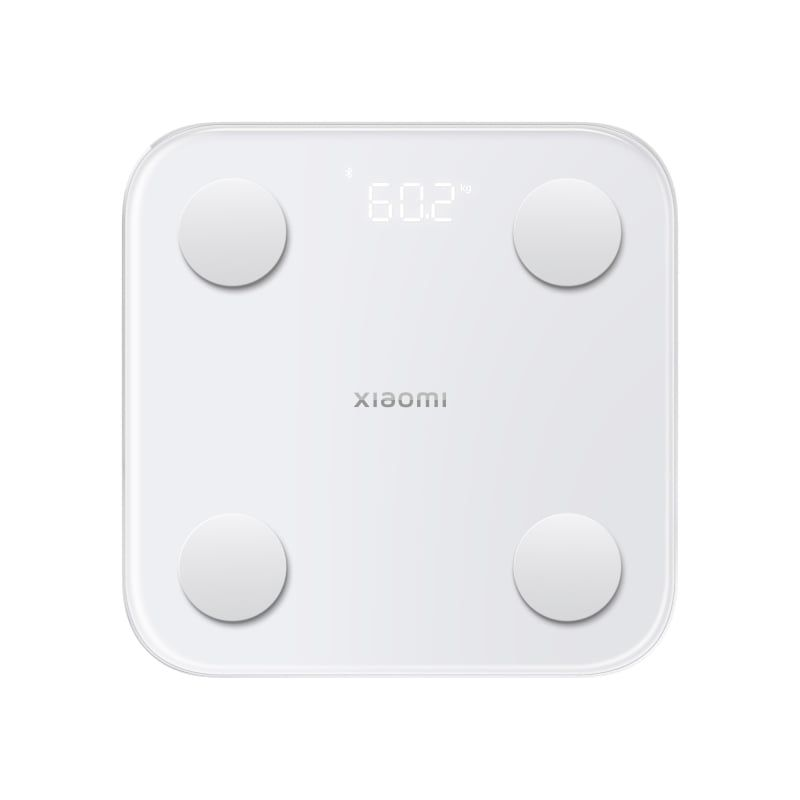
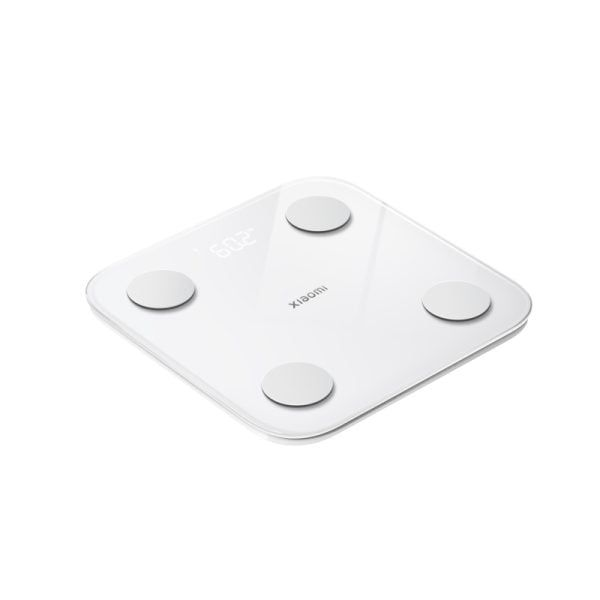
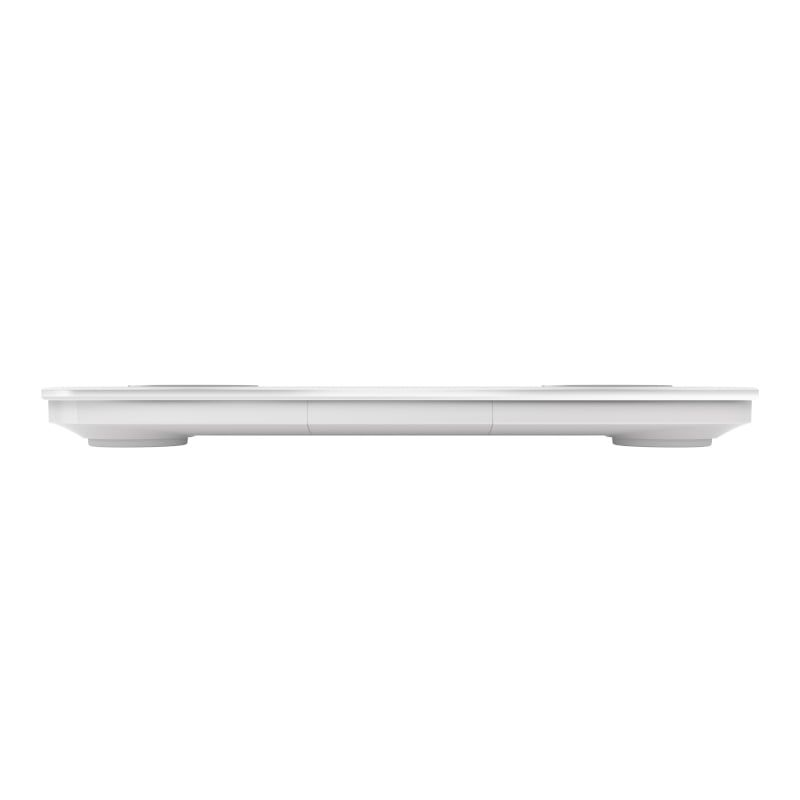
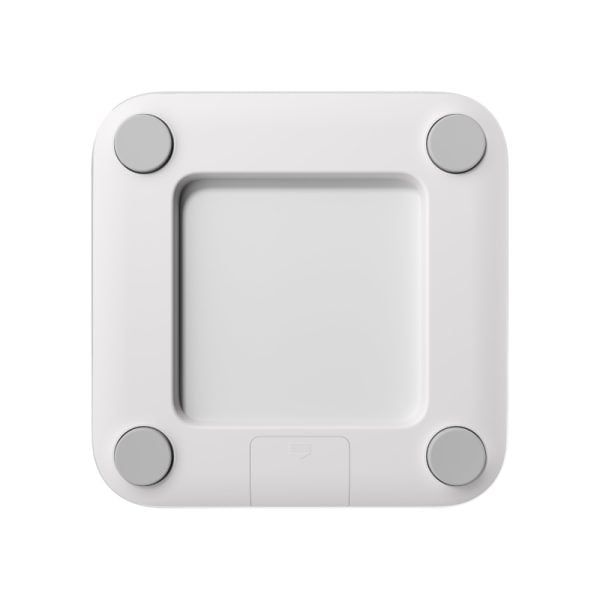
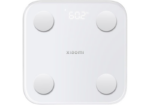
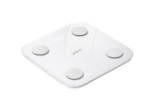
The scale itself is thoughtfully designed. A hidden LED display appears only when you step on, showing your weight, body fat percentage, and heart rate directly on the tempered glass surface. The 300 x 300mm platform is spacious enough to feel stable, and the reinforced glass can handle up to 150kg. It runs on three AAA batteries that last approximately six months, and it supports up to 36 individual user profiles, making it perfect for families or households where multiple people want to track their health.
Impressive quality at a sensible price
Here’s where the S400 really stands out: it delivers professional-grade features and build quality without the professional-grade price tag. Most body composition scales with similar accuracy and feature sets cost significantly more. The S400 costs around R599 on takealot.com, which represents exceptional value when you consider you’re getting multiple health metrics, multi-user support, long battery life, app integration with full historical tracking, and a design that wouldn’t look out of place in a boutique wellness studio.
Xiaomi has packed a lot of functionality into this device. The baby weighing mode (you step on holding your infant, then step on alone, and the scale calculates the difference) is a clever touch for new parents. The visitor mode lets guests weigh themselves without cluttering your data history. The balance test evaluates how evenly you distribute your weight across both feet – a subtle but useful indicator of posture and stability.
Getting accurate readings: What you need to know
Whilst the S400 delivers impressive accuracy for a consumer device, it’s important to understand that bioelectrical impedance analysis is affected by several factors. For the most reliable results, you need to use the scale barefoot (socks or wet feet will interfere with the electrical current), weigh yourself at the same time each day (preferably first thing in the morning before eating or drinking), and avoid measuring immediately after exercise or a hot bath. Your hydration levels significantly impact readings, so dramatic day-to-day fluctuations often reflect water retention rather than actual body composition changes. This is why the historical tracking feature is so valuable: short-term variations matter less than the overall trend over weeks and months. Think of each individual reading as a data point rather than absolute truth, and let the patterns tell the real story.
Who should buy this
The S400 is ideal for anyone who takes their health seriously enough to want meaningful data but doesn’t want to spend a fortune or deal with complicated equipment. It’s particularly well-suited for people who are strength training, recomposing their body, or managing chronic conditions where body composition matters more than simple weight.
Who shouldn’t use this scale
Xiaomi explicitly advises against use by pregnant women, individuals with pacemakers or other implanted medical devices (the electrical current, whilst safe for most people, can interfere with these devices), children under six years old, adults over 80, and professional athletes. The reasons are straightforward: pregnancy causes rapid and expected body composition changes that the scale’s algorithms aren’t designed to track meaningfully; medical implants can be disrupted by even mild electrical currents; children’s and elderly adults’ body compositions fall outside the scale’s calibration range; and elite athletes often have such unusual muscle-to-fat ratios that consumer-grade BIA becomes unreliable. If you fall into any of these categories, a basic weight-only scale or professional medical assessment is the better choice.
ALL THAT says
If you’re just looking for a basic scale to weigh yourself occasionally, this might be more than you need. But if you want to understand what’s actually happening inside your body as you make lifestyle changes, if you want charts and trends that prove you’re heading in the right direction, or if you simply appreciate having accurate, actionable health data at your fingertips every morning, this is the scale to buy.
The Xiaomi Body Composition Scale S400 proves you don’t need to choose between quality and affordability. Sometimes you can have both.
Buy it HERE from takealot.com
This article is for informational purposes only and does not constitute medical advice. ALL THAT accepts no responsibility for any outcomes, health issues, or product performance related to the information provided. The Xiaomi Body Composition Scale S400 is not a medical device and should not be used to diagnose, treat, or manage any medical condition. Always consult your doctor or qualified healthcare professional before making decisions about your health, starting any weight loss programme, or changing your diet or exercise routine.
This article was not sponsored but contains affiliate links. If you make a purchase through these links, ALL THAT will receive a small commission at no extra cost to you. All opinions expressed are those of the editorial team.
Also read

Nike’s Swooshfly promises carbon-plate benefits for slower runners. Here’s what the science really says
Gerda Engelbrecht At the latest Nike launch event, the Apex and Alphafly 4 may have been the headline act, but it’s the new Swooshfly that’s stole...

Apple’s double launch: Should you upgrade to the iPhone 18 Pro now, or wait for the Duo?
Gerda Engelbrecht Apple has shaken up its traditional September release schedule, delivering not one but two distinct flagship experiences: the photog...

The art of decanting: The smart way to serve wine at its best
Gerda Engelbrecht We tested a temperature-controlled decanter from Solenco and it solved one of wine service’s most annoying problems. If you’ve e...