




Apple’s double launch: Should you upgrade to the iPhone 18 Pro now, or wait for the Duo?
Gerda Engelbrecht
Apple has shaken up its traditional September release schedule, delivering not one but two distinct flagship experiences: the photography-focused iPhone 18 Pro series (available now) and the company’s groundbreaking first foldable, the iPhone Duo (arriving next month). After years of speculation about when Apple would enter the foldable market, the answer is finally here – and it’s created a timing dilemma that’s worth thinking through carefully.
Let me be upfront: I’m an iOS user. Have been for years. In today’s smartphone landscape, most of us have more or less settled into either the Android or iOS camp, and I’ve firmly planted my flag in Apple’s ecosystem. That said, even as someone who’s watched every iPhone launch with interest, 2026 has presented the most genuinely difficult upgrade decision I’ve faced.
For those of us in the upgrade cycle, the question isn’t just which device is better. It’s whether you should pull the trigger on the proven iPhone 18 Pro today, or wait a few more weeks for the revolutionary-but-untested Duo. Here’s everything we know so far about both flagships to help you make that call.
iPhone 18 Pro and 18 Pro Max: The Traditional Powerhouse
Availability: In stores now (launched 18 September 2026)
Pricing: From R28 799 in South Africa
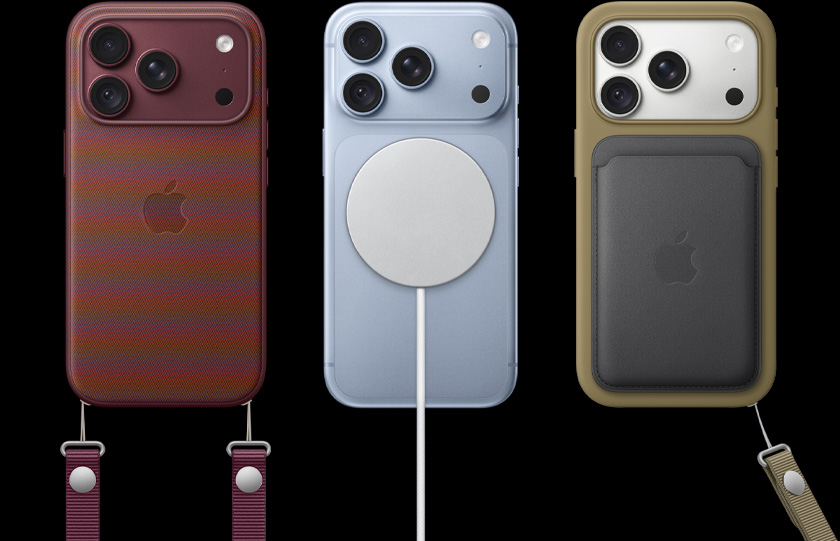
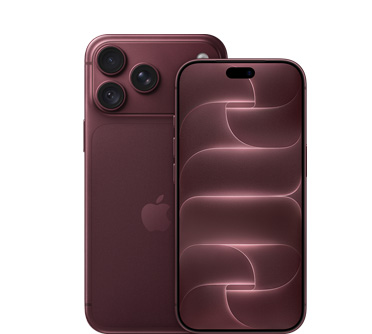
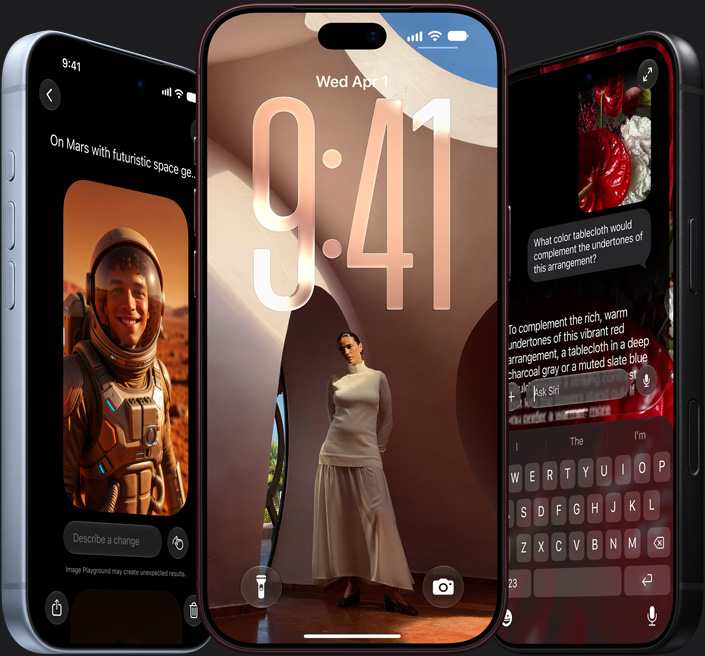
Apple’s iPhone 18 Pro series represents the pinnacle of what the company has learnt about smartphone photography over the past decade. If you’re already familiar with the Pro iPhone experience, think of this as the most refined version yet – with some genuinely impressive new capabilities that make it tempting to upgrade immediately.
What Makes the iPhone 18 Pro Special
The Camera System: A Photographer’s Dream
The standout feature is undoubtedly the 48MP Pro Fusion main camera, which introduces something Apple has never offered before: a variable aperture system. Using six laser-cut blades, the lens can adjust between f/1.48 and f/4.0, giving you unprecedented control over depth of field and lighting – similar to what professional cameras have offered for decades.
The camera array includes:
- 48MP Pro Fusion main camera with variable aperture (f/1.48-f/4.0)
- 48MP ultra-wide camera for expansive landscapes and group shots
- 48MP telephoto camera with 5x optical zoom – perfect for capturing distant subjects without sacrificing quality
- For the first time, Apple has added manual aperture and shutter speed controls directly in the Camera app, catering to enthusiasts who want granular control over their images. There’s also a fascinating new feature called “Apple Reference Image” that embeds verification metadata into your photos, allowing you to prove they’re genuine captures rather than AI-generated content – increasingly important in our current digital landscape.
A20 Pro: Apple’s First 2-Nanometre Chip
The iPhone 18 Pro is powered by Apple’s A20 Pro chip, built on a groundbreaking 2-nanometre process. The manufacturing advancement allows for:
- A 6-core CPU (two super cores plus four efficiency cores) that handles demanding tasks whilst maintaining excellent battery life
- A 7-core GPU with hardware-accelerated ray tracing for console-quality gaming
- A dual 16-core Neural Engine designed specifically for intensive on-device AI workloads
Perhaps most impressively, Apple has paired this chip with a next-generation vapour chamber cooling system that improves sustained performance by 40% compared to the iPhone 17 Pro. If you’ve ever noticed your phone throttling during extended gaming sessions or 4K video recording, this addresses that issue head-on.
Displays that don’t compromise
You’ve got two size options:
- iPhone 18 Pro: 6.3-inch Super Retina XDR display (2622 × 1206 pixels)
- iPhone 18 Pro Max: 6.9-inch Super Retina XDR display
Both feature ProMotion technology (up to 120Hz refresh rate), always-on capability, and a peak outdoor brightness of 3,000 nits – which means exceptional visibility even in direct sunlight. The Dynamic Island has been refined to be smaller than before whilst supporting up to three simultaneous Live Activities, making it more functional without being intrusive.
Battery life that lasts
Apple makes bold claims about battery performance:
- iPhone 18 Pro: Up to 36 hours of video playback
- iPhone 18 Pro Max: Up to 45 hours of video playback
Wired charging reaches 50% capacity in approximately 15 minutes, which is genuinely useful for those quick top-ups before heading out.
Connectivity for the future
The iPhone 18 Pro features Apple’s new N1 wireless networking chip supporting Wi-Fi 7, Bluetooth 6, and Thread networking. The custom C2 cellular modem reportedly reduces energy consumption by 15% compared to its predecessor, contributing to those impressive battery figures whilst maintaining excellent network performance.
I’ll admit I’m not entirely thrilled that Apple has continued with the aluminium frame for the 18 Pro rather than returning to the titanium construction of the iPhone 15 and 16 Pro models, but the use of 85% recycled aluminium does soften that disappointment slightly.
iPhone Duo: Apple’s Foldable Revolution
Availability: Pre-orders begin 16 October 2026, in stores 23 October 2026
Pricing: Unconfirmed, starting at $1,999 in the USA
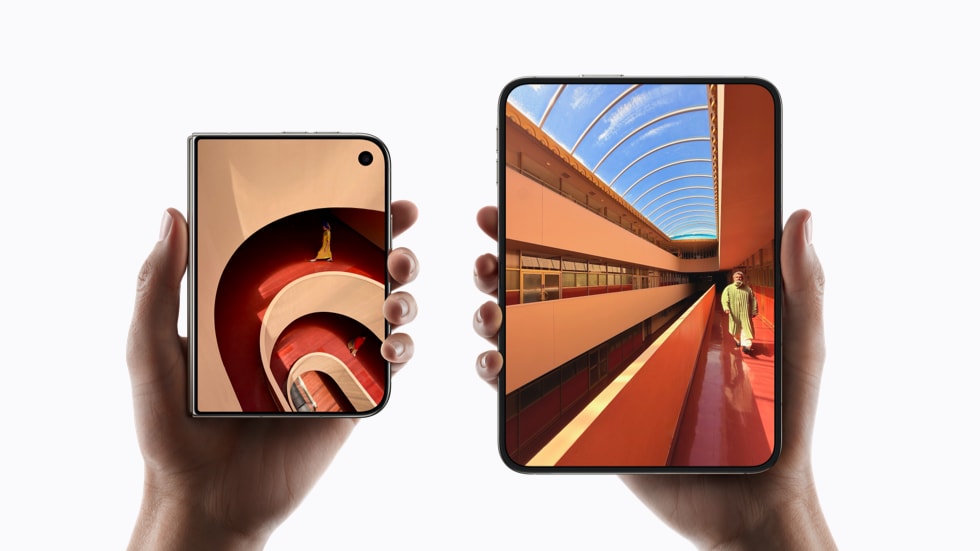
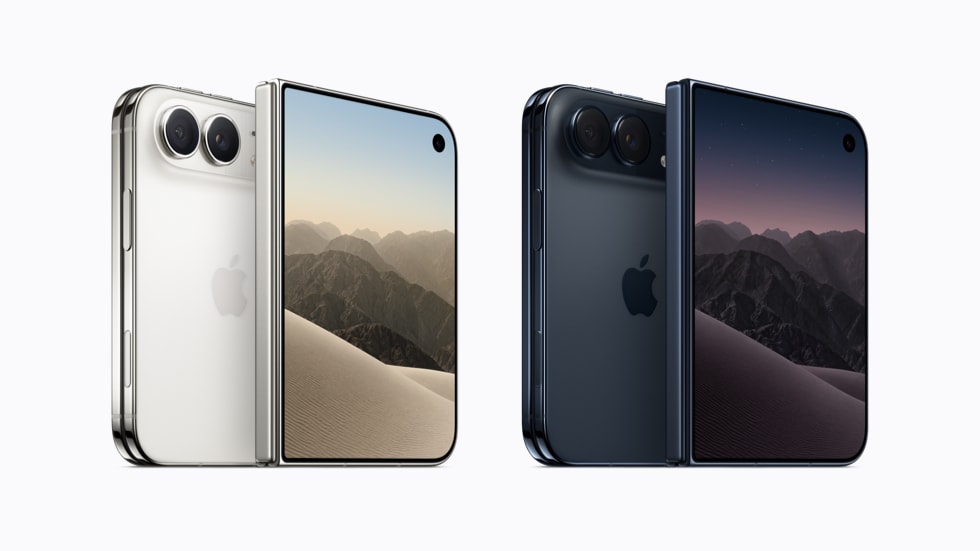
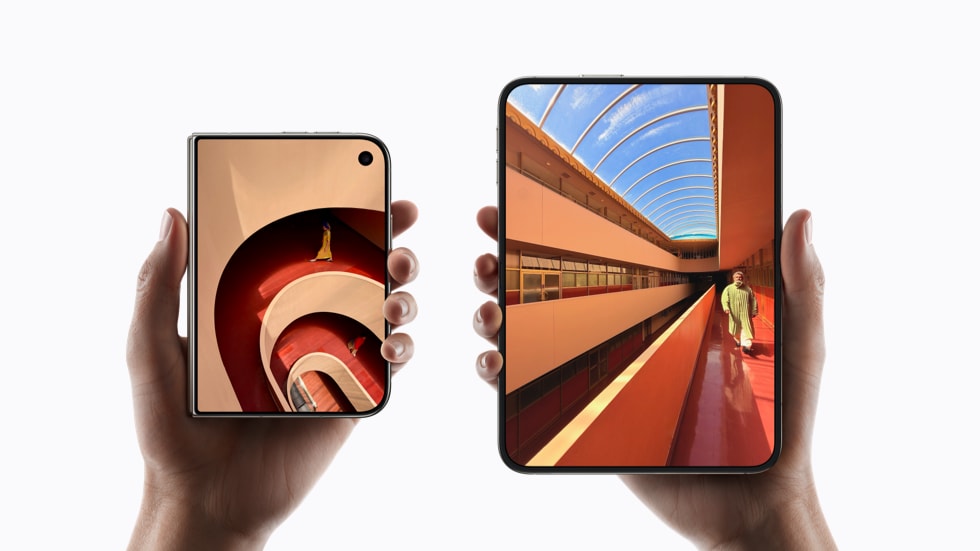
The iPhone Duo represents Apple’s answer to a question the company has steadfastly avoided for years: should iPhones fold? The result is a passport-sized book-folding device that unfolds to reveal the largest display area Apple has ever put in a smartphone.
What makes the iPhone Duo special
The Folding Experience
When closed, the iPhone Duo measures just 84.1 × 117.8 × 11.3mm – genuinely pocketable despite the massive screen inside. Unfold it, and you’ve got 164.6 × 117.8 × 5.2mm of screen real estate.
The dual-display setup includes:
- Inner display: 7.6-inch Super Retina XDR folding display with a special nano-texture finish to minimise glare and an under-display FaceTime camera that creates an uninterrupted viewing surface
- Outer display: 5.4-inch Super Retina XDR display, providing 90% of the screen area of the iPhone 18 Pro even when closed
- Both displays support ProMotion and always-on capabilities, with the same impressive 3 000-nit peak brightness. The inner display uses a remarkable 10 ultrathin layers to achieve its flexibility whilst maintaining durability.
Built to last
Apple has constructed the iPhone Duo with a grade-5 titanium frame and a titanium-aluminium blend hinge – materials typically reserved for aerospace applications. Despite the folding mechanism, it maintains an IP68 rating for splash, water, and dust resistance, addressing one of the primary concerns with foldable devices.
Camera: Different but capable
The iPhone Duo features a dual 48MP camera system:
- 48MP main camera (f/1.6)
- 48MP ultra-wide camera (f/2.2)
- 2x optical-quality zoom via the main sensor
You’ll notice the absence of the dedicated 5x telephoto lens found on the Pro models. However, what the Duo loses in telephoto reach, it gains in creative flexibility. The folding design enables unique camera angles and hands-free photography setups that simply aren’t possible with traditional smartphones – perfect for FaceTime calls, content creation, and self-portraits.
The under-display FaceTime camera on the inner panel is particularly clever, disappearing entirely when not in use to provide that uninterrupted viewing experience.
Power and Performance
The iPhone Duo shares the same A20 Pro chip as the iPhone 18 Pro series, ensuring top-tier performance. Apple has included an advanced thermal management system with a custom-designed vapour chamber – essential given the device’s folded form factor.
The dual-battery architecture provides 4,883mAh of capacity, supporting 24 hours of mixed dual-screen use according to Apple. The 20W wired charging reaches 50% in approximately 20 minutes.
Connectivity matches the Pro models with the custom C2 modem chip for efficient wireless data.
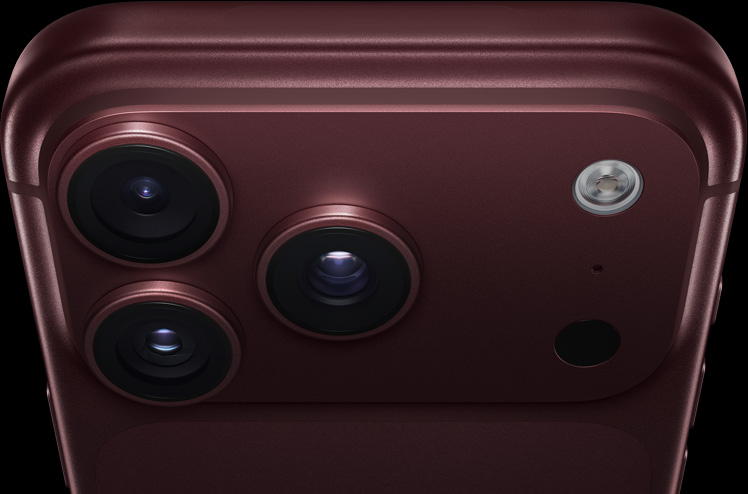
Camera Showdown: Pro vs Duo
Winner for Shooting Video and Stills: iPhone 18 Pro
If you’re serious about mobile photography and videography, the iPhone 18 Pro’s dedicated 5x telephoto lens and variable aperture system give it a clear advantage. The manual controls and three 48MP cameras provide more versatility for conventional shooting scenarios – landscapes, portraits, wildlife, sports, and street photography. The improved thermal management means you can record 4K video for longer without throttling, which is crucial for serious video work.
Winner for Creative Flexibility: iPhone Duo
The Duo’s folding design unlocks shooting angles and setups that the Pro simply can’t match. Content creators will appreciate the tabletop photography modes, and the ability to use the outer display as a viewfinder whilst shooting with the rear cameras. The dual 48MP system is still highly capable for everyday photography, just without the extreme telephoto reach.
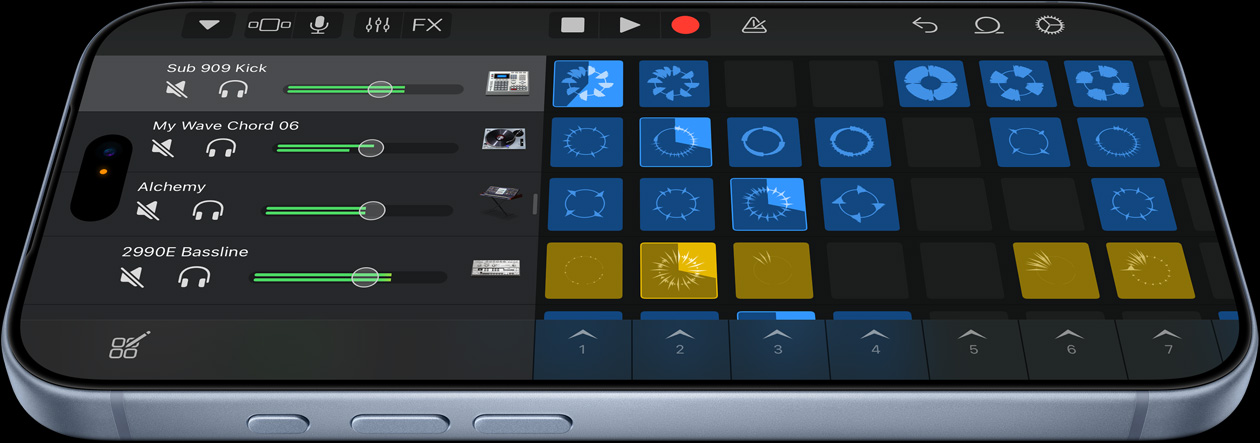
The Creator’s Dilemma: Shoot vs Edit
Here’s where the decision becomes genuinely difficult for content creators, and it’s something I’ve been wrestling with myself.
The iPhone 18 Pro is objectively better for capturing content. The variable aperture, 5x telephoto, manual controls, and superior thermal management make it the tool you want when you’re actually shooting video or taking photographs. It’s the camera you reach for when the moment matters.
But the iPhone Duo is transformative for editing and post-production work. The ability to open two apps simultaneously on that expansive 7.6-inch inner display changes the workflow entirely. Imagine scrubbing through footage in your video editor on one half of the screen whilst previewing the timeline on the other. Or editing photos in Lightroom on one side whilst managing your library on the other. The Duo’s multitasking capabilities make it a portable editing suite in a way that the Pro – despite its larger Max display – simply cannot match.
This creates a fascinating split: the Pro is your production camera, whilst the Duo is your mobile editing station. For professional creators, the ideal setup might actually be both devices, but that’s a significant investment.
For those of us who have to choose one, it comes down to which part of your workflow causes more friction. If you’re constantly frustrated by your phone’s shooting capabilities, the Pro is calling. If you find yourself wishing for more screen space to edit and organise your work on the go, the Duo is your answer.
Should you upgrade now, or wait?
Upgrade to the iPhone 18 Pro now if:
- You need a new phone immediately – your current device is on its last legs
- Photography and videography are your primary mobile activities, and you’ll genuinely use that variable aperture and 5x telephoto
- You value the proven reliability of a traditional iPhone form factor
- The R28 799 price point is more palatable than the Duo’s expected price
- You’re coming from an iPhone 16 or earlier and want a meaningful camera upgrade
- You’re hesitant about being a first adopter of Apple’s foldable technology
The iPhone 18 Pro is the safe choice, and there’s genuine wisdom in that. It’s a known quantity with exceptional capabilities and no question marks about durability or long-term reliability.
Wait for the iPhone Duo If:
- Your current phone can hold out another month until the Duo launches on 23 October
- You genuinely need more screen real estate for entertainment (Netflix, YouTube), productivity, multitasking, or content editing
- You’re willing to embrace cutting-edge technology and accept the potential learning curve
- The unique camera angles and hands-free capabilities solve real problems in your workflow
- You’re comfortable with a higher price point for a device that offers something fundamentally different
- You want the flexibility of a phone that transforms into a tablet-like experience
The Duo represents a new way of using an iPhone entirely. If that appeals to you, and you can wait a few more weeks, it might be worth holding off.
ALL THAT says
I’ll be honest: I’m torn. The pragmatic part of me says the iPhone 18 Pro is the sensible choice – it’s proven technology, and that variable aperture camera system is genuinely exciting for someone who takes mobile photography seriously. The R28 799 price, whilst substantial, feels appropriate for what you’re getting.
But the part of me that’s always been drawn to iOS specifically because of Apple’s willingness to rethink how we interact with technology keeps circling back to the Duo. The prospect of having a full-sized editing canvas in my pocket, the ability to run two demanding apps side by side, the joy of reading Kindle books in this format and watching YouTube videos, and the sheer novelty of Apple’s take on foldables – it’s compelling in a way that incremental camera improvements, however impressive, struggle to match.
My advice? Think honestly about your usage patterns. If you spend most of your time capturing content, the Pro’s superior shooting capabilities make the decision easy. If you spend more time using it for entertainment (videos, books), or for working (documents, editing) the Duo’s expansive display and multitasking prowess might be worth the wait.
This article is not sponsored. All opinions are those of the editorial team.
Also read
I tested the Garmin Edge 1050 over 230 km (and 17 and a half hours) and this is why I love it…
How the Garmin Edge 1050 (a.k.a.
The 20-Minute Window: Why your wine only tastes perfect for a few moments
Wilmer Muller TESTED: If you regularly treat yourself to expensive wine, you should also treat yourself to a gadget to serve it properly. We tested th...

The Canon PowerShot V1 is a lot of camera for not a lot of money
Gerda Engelbrecht Released in April 2025, the Canon PowerShot V1 might not be the newest camera on the market, but with current discounts making it mo...