




The best budget GPS running watches: Garmin Forerunner 70 vs. Forerunner 170
If you are looking to track your runs without emptying your wallet, Garmin’s budget-friendly lineup has a clear answer. The Garmin Forerunner 70 and Forerunner 170 represent what are arguably the most affordable, feature-packed entry points into dedicated GPS running watches. They pack premium features – like crisp AMOLED touchscreens and advanced training metrics – into lightweight, accessible packages.
Why do you actually need GPS in a running watch?
If you have ever relied on a standard fitness band or a smartphone app to track a run, you know how frustratingly inaccurate it can be. Standard step-trackers estimate your distance using an internal accelerometer based on how your arm swings. If your stride changes because you are tired, climbing a hill, or dodging a puddle, your data goes out the window.
A dedicated GPS (Global Positioning System) chip connects directly to overhead satellites to track your exact coordinates in real-time. This provides critical, unyielding accuracy for:
- Real-Time Pace: Knowing exactly how fast you are moving right now, allowing you to pace yourself perfectly instead of guessing.
- Accurate Distance: Recording precise mileage down to the metre, which is vital if you are training for a specific race or target distance.
- Route Mapping: Plotting your exact path on a map, allowing you to review your terrain and elevate your training consistency.

Comparing the two: What’s the difference?
At first glance, the Forerunner 70 and Forerunner 170 look practically identical. They share the exact same 43mm chassis, 1.2-inch vibrant AMOLED touchscreen, and trusty 5-button layout. They even pull down advanced software insights usually reserved for top-tier watches, including Training Readiness and HRV Status.
However, the differences live entirely on the inside. The Forerunner 170 costs a bit more because it includes internal hardware sensors that the Forerunner 70 lacks:
- Barometric Altimeter & Thermometer: The Forerunner 170 measures atmospheric pressure to give you highly accurate elevation data (ascent and descent) and live temperature readings. The Forerunner 70 relies solely on GPS data for elevation, which is less precise on hilly trails.
- Magnetic Compass & Gyroscope:The 170 features an internal compass and gyro, giving it breadcrumb navigation capabilities and better rep-counting accuracy during strength training.
- Garmin Pay & Music: The Forerunner 170 includes built-in NFC for contactless payments. It also offers a dedicated Music Edition capable of storing playlists directly on the watch for phone-free listening. (If you want the music function, make sure your model mentions it specifically.)
- Battery Life: Interestingly, because the Forerunner 70 does not have to power a barometer, compass, or gyroscope, its battery lasts slightly longer than the 170.
Side-by-side specifications
Feature |
Garmin Forerunner 70 |
Garmin Forerunner 170 / 170 Music |
Case Size |
43 mm | 43 mm |
Display Type |
1.2-inch AMOLED Touchscreen | 1.2-inch AMOLED Touchscreen |
GPS Type |
Single-Band GNSS | Single-Band GNSS |
Sensors |
Optical HR, Pulse Ox | Optical HR, Pulse Ox, Barometer, Compass, Gyro, Temp |
Smartwatch Battery |
Up to 13 days (5 days always-on) | Up to 10 days (4 days always-on) |
GPS-Only Battery |
Up to 23 hours | Up to 20 hours |
Garmin Pay (NFC) |
No | Yes |
Music Storage |
No | Optional (Music Edition only) |
Navigation |
No | Breadcrumb navigation |
Built for More Than Just Running
Do not let the “Forerunner” name fool you. While these smartwatches are unashamedly built to satisfy runners, they also serve as exceptional multi-sport trackers.
Garmin has packed over 80 built-in sport profiles into both devices. Whether you are hopping on a road bike, jumping into a swimming pool, tracking an indoor strength workout, or spending a long weekend hiking on wilderness trails, these watches track your heart rate, exertion, and recovery metrics seamlessly. They adapt effortlessly to whatever movement keeps you active.

Do you need something more ‘premium’?
While the 70 and 170 are both packed with features, Garmin has intentionally left out certain ultra-premium hardware and software features found on mid-tier models (like the Forerunner 265 and 970) or the heavy-duty Fenix 8 flagship.
If you are considering spending more, here is what these budget entry-level models lack by comparison:
- Full-Colour Topographical Maps: The Forerunner 70 has no navigation, and the 170 only offers basic breadcrumb routing (a simple line on a blank screen). Premium lines like the Forerunner 970 and Fenix 8 offer full, offline visual maps with street names and terrain contours – critical for serious trail runners or backcountry hikers.
- Multi-band / Dual-frequency GPS: Both budget options use standard single-band GNSS. It is highly accurate in the open, but if you are running between towering skyscrapers or under dense forest canopies, mid-and-high tier Garmins feature Multi-Band GPS to cut through signal interference and lock your position down to the metre.
- Rugged build & Hardware additions: The entry-level watches are ultra-lightweight (around 41g) but made entirely of plastic with basic glass screens. Moving up to a Fenix 8 gets you a titanium bezel, a scratch-resistant Sapphire crystal lens, and a built-in LED flashlight. It also bumps water resistance from 5 ATM (50 metres) up to a dive-rated 10 ATM (100 metres).
- Next-gen health hardware: The budget lines use the older Elevate Gen 4 heart rate sensor. Top-tier models use the Elevate Gen 5 sensor, which unlocks advanced health tracking like on-demand ECG (Electrocardiogram) readings and overnight skin temperature tracking.
- Niche training metrics: Premium models include specific software metrics like Hill Score (evaluating your uphill running capability) and Endurance Score (analysing long-duration stamina), which are omitted here to keep the user interface clean and accessible.
ALL THAT says: It’s money well spent
Choosing between these two comes down to your personal training environment. If you frequently run or hike on hills, want to leave your phone behind for music, or love the convenience of paying with your wrist at a café after a long weekend session, the Forerunner 170 is worth the extra jump. If you strictly want a reliable, hyper-accurate tracker for flat roads, tracks, and local paths, the Forerunner 70 strips away the unneeded sensors to deliver pure value.
While they don’t feature the rugged titanium build or the full topo mapping of a Fenix, they offer elite tracking software at a fraction of the cost. Whichever route you choose, both watches are, without a doubt, money well spent.
Buy it from takealot.com
Garmin Forerunner 70
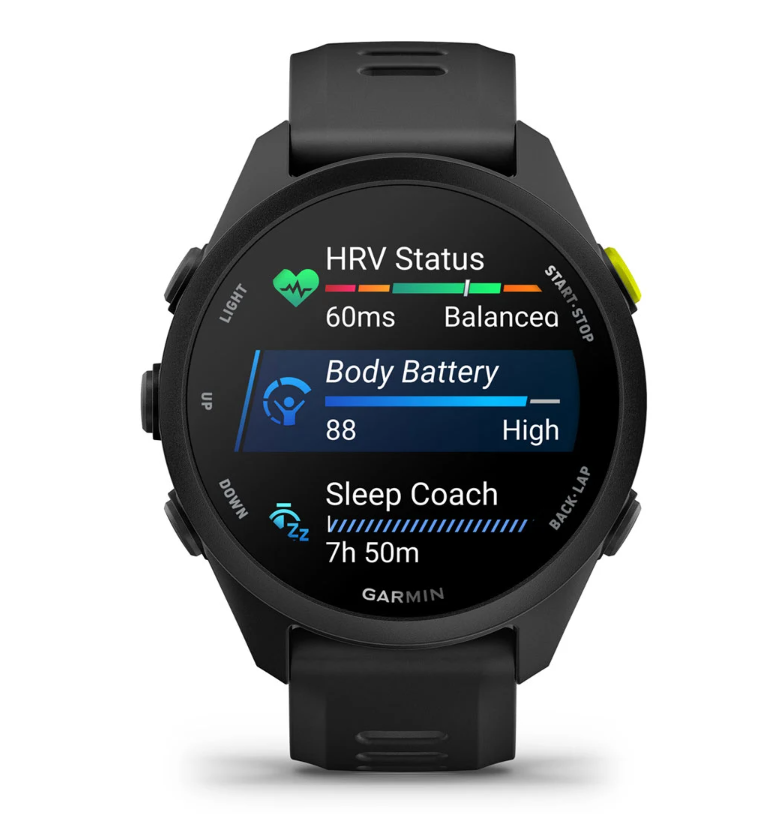
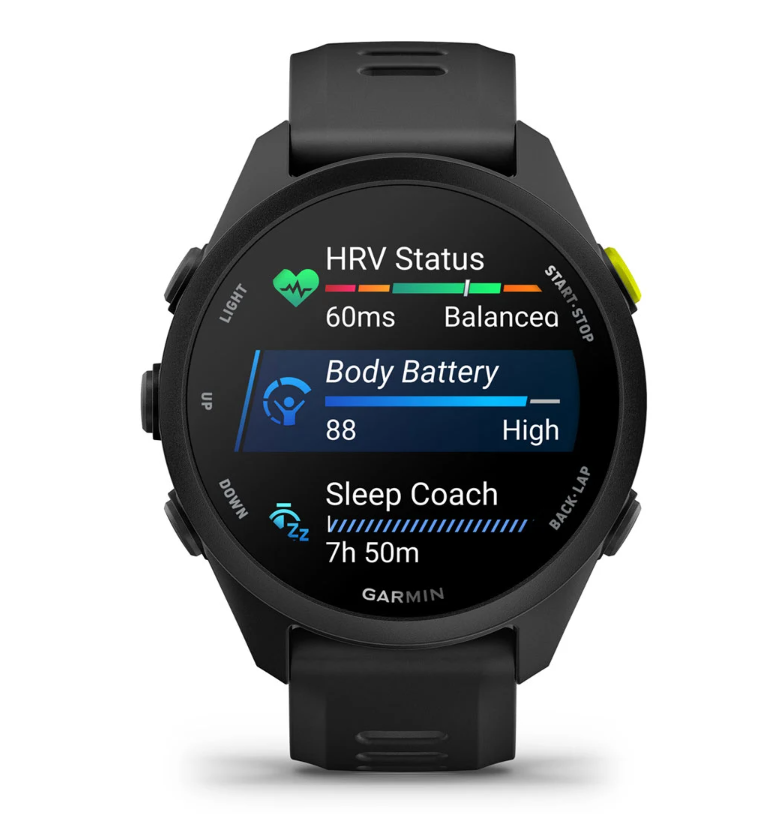
Garmin Forerunner 70 Black (about R4899 from takealot.com)
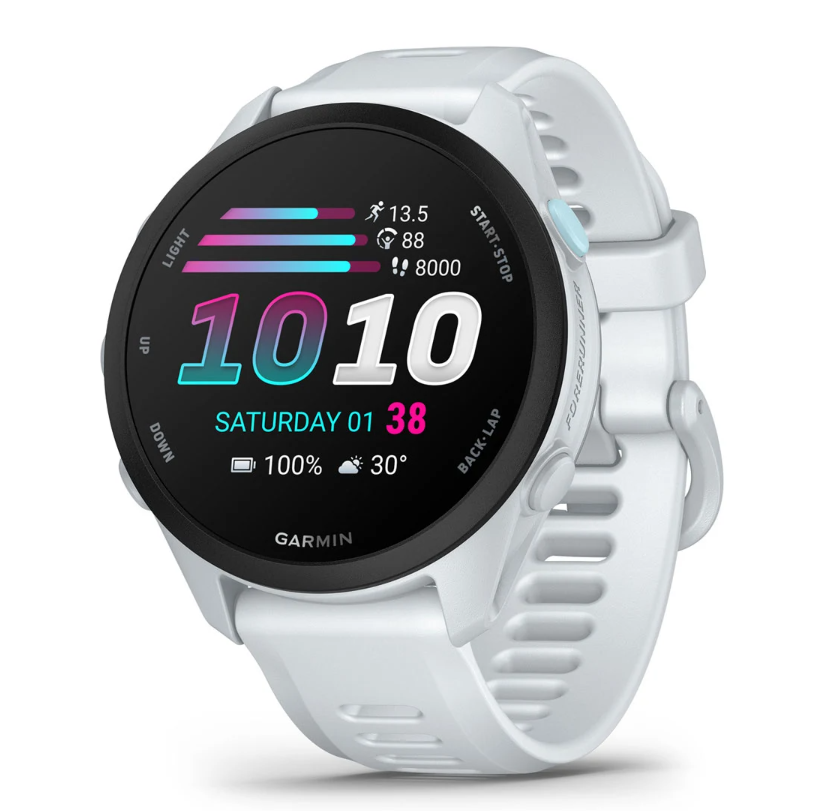
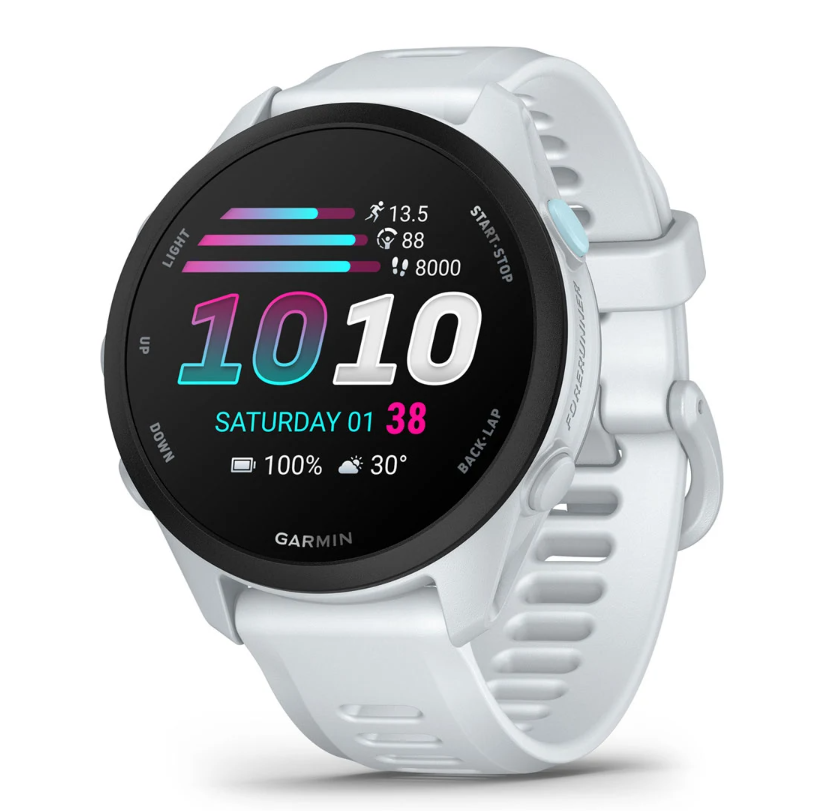
Garmin Forerunner 70 Whitestone (about R4899 from takealot.com)
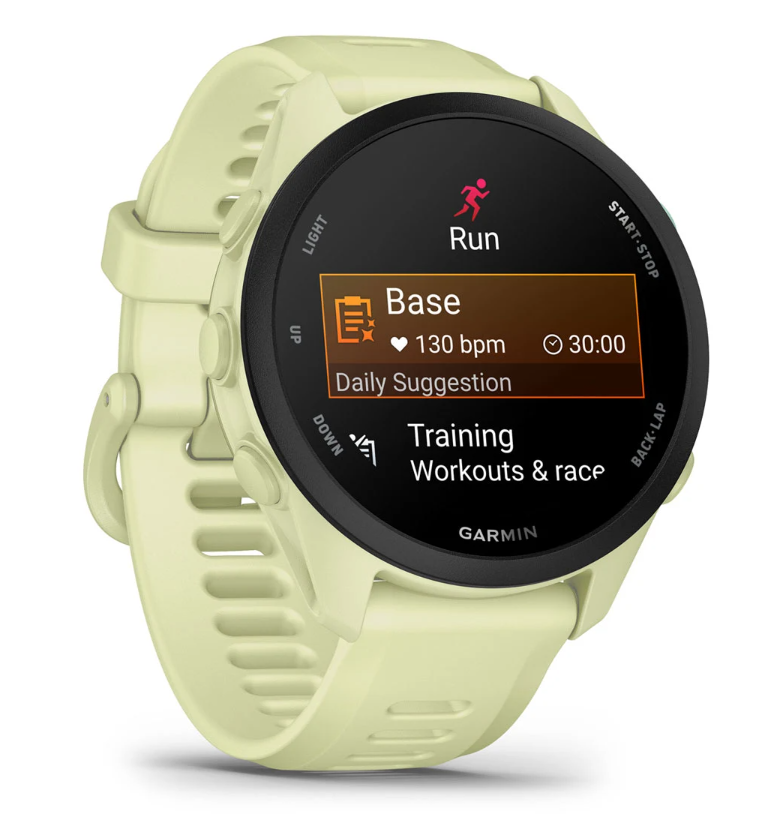
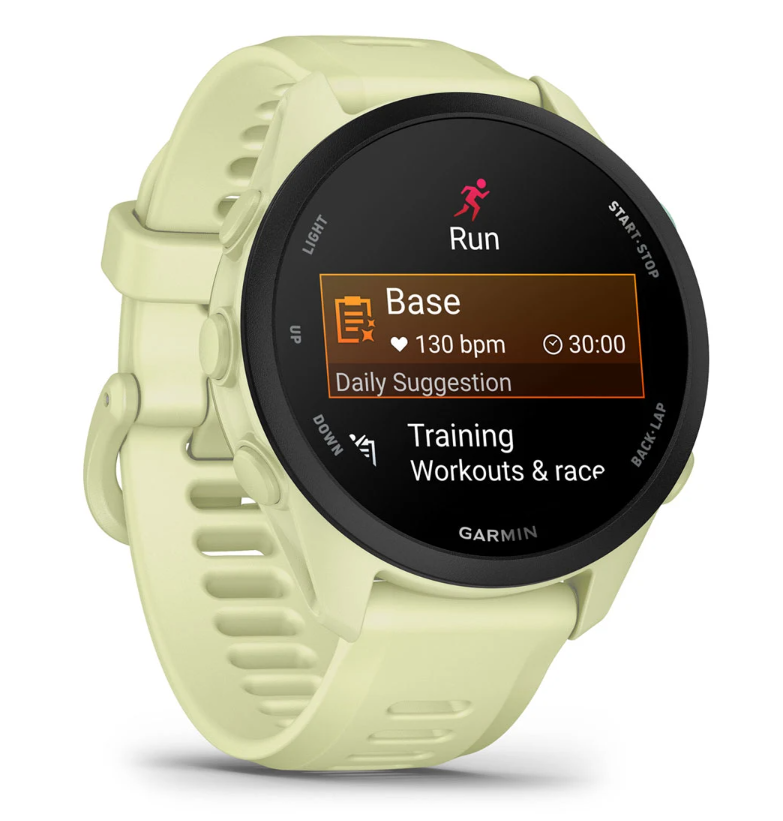
Garmin Forerunner 70 Citron (about R4899 from takealot.com)
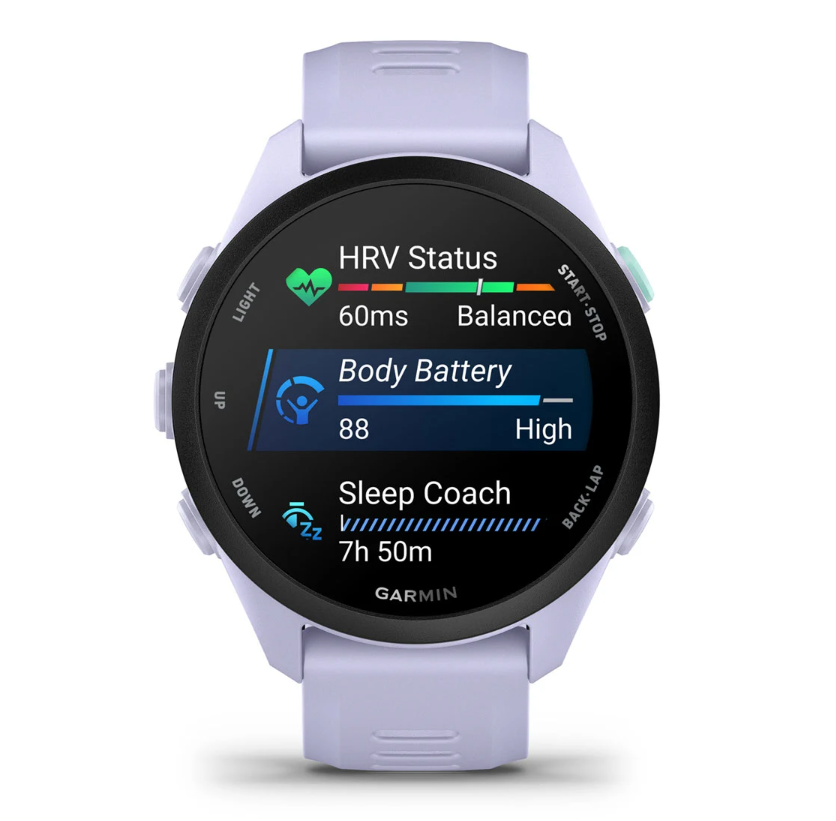
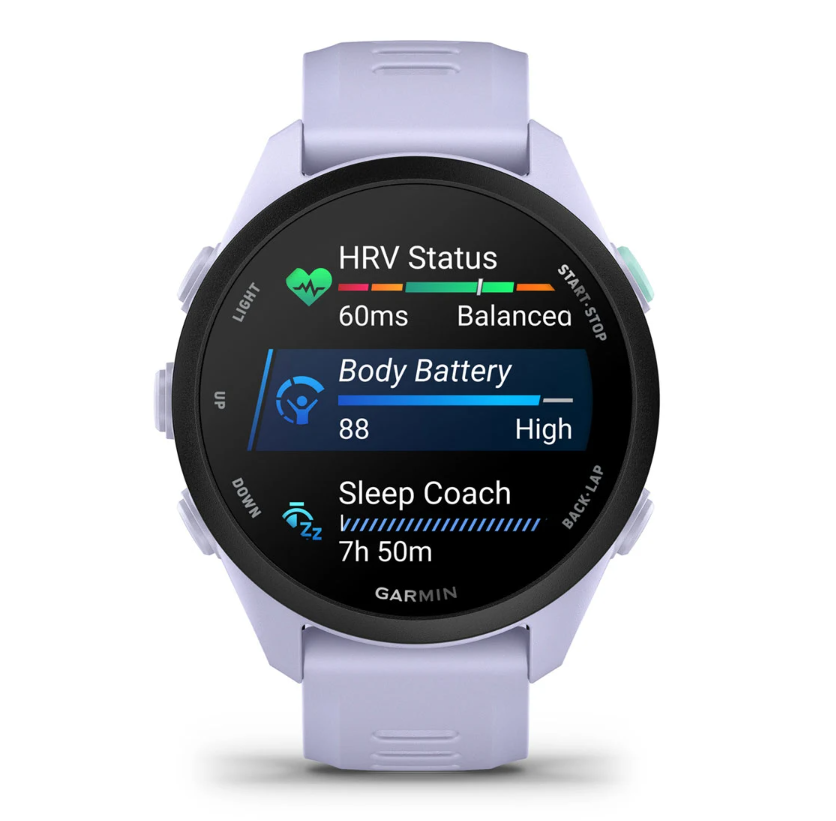
Garmin Forerunner 70 Cool Lavender (about R4899 from takealot.com)
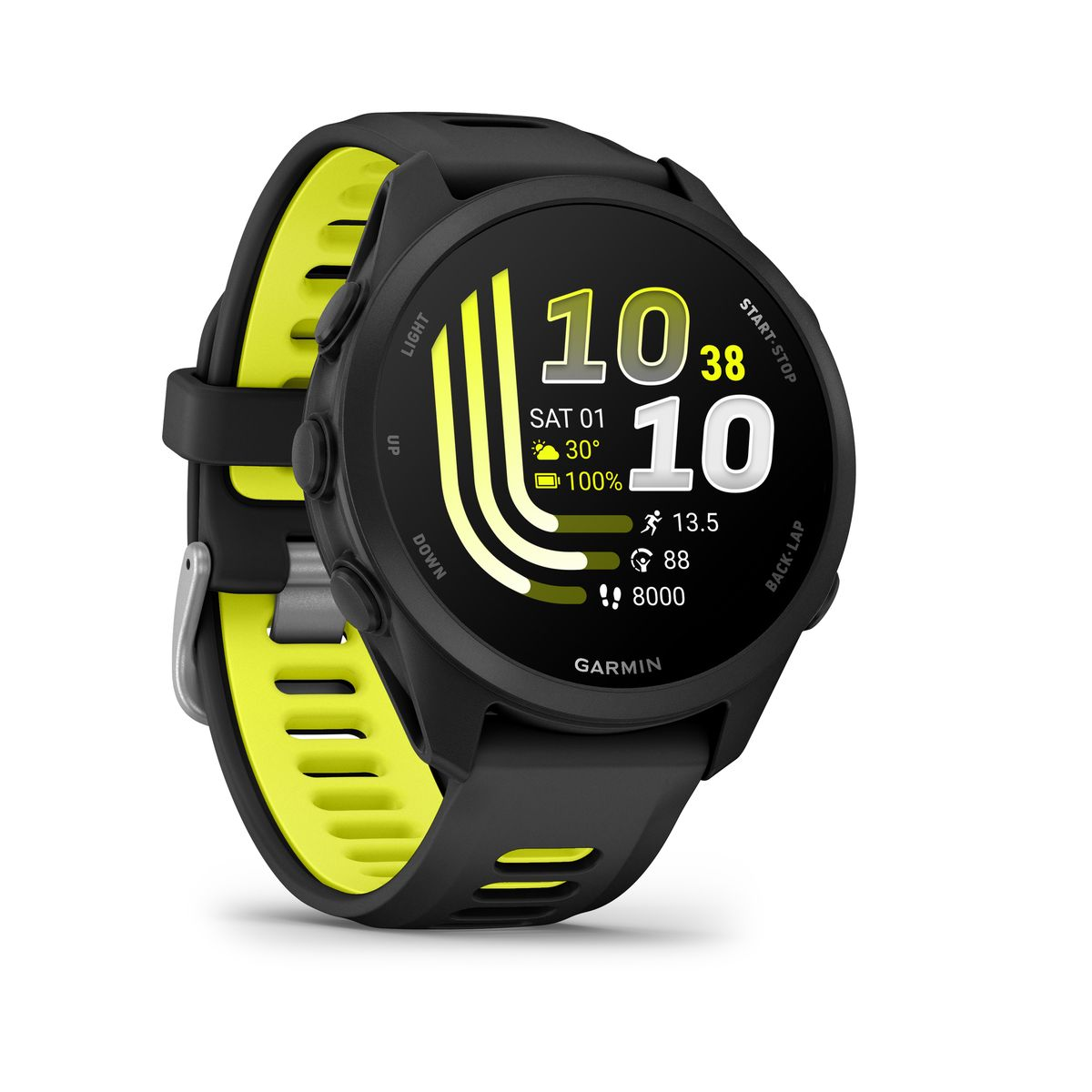
Garmin Forerunner 170 Black and Yellow (about R6199 from takealot.com)
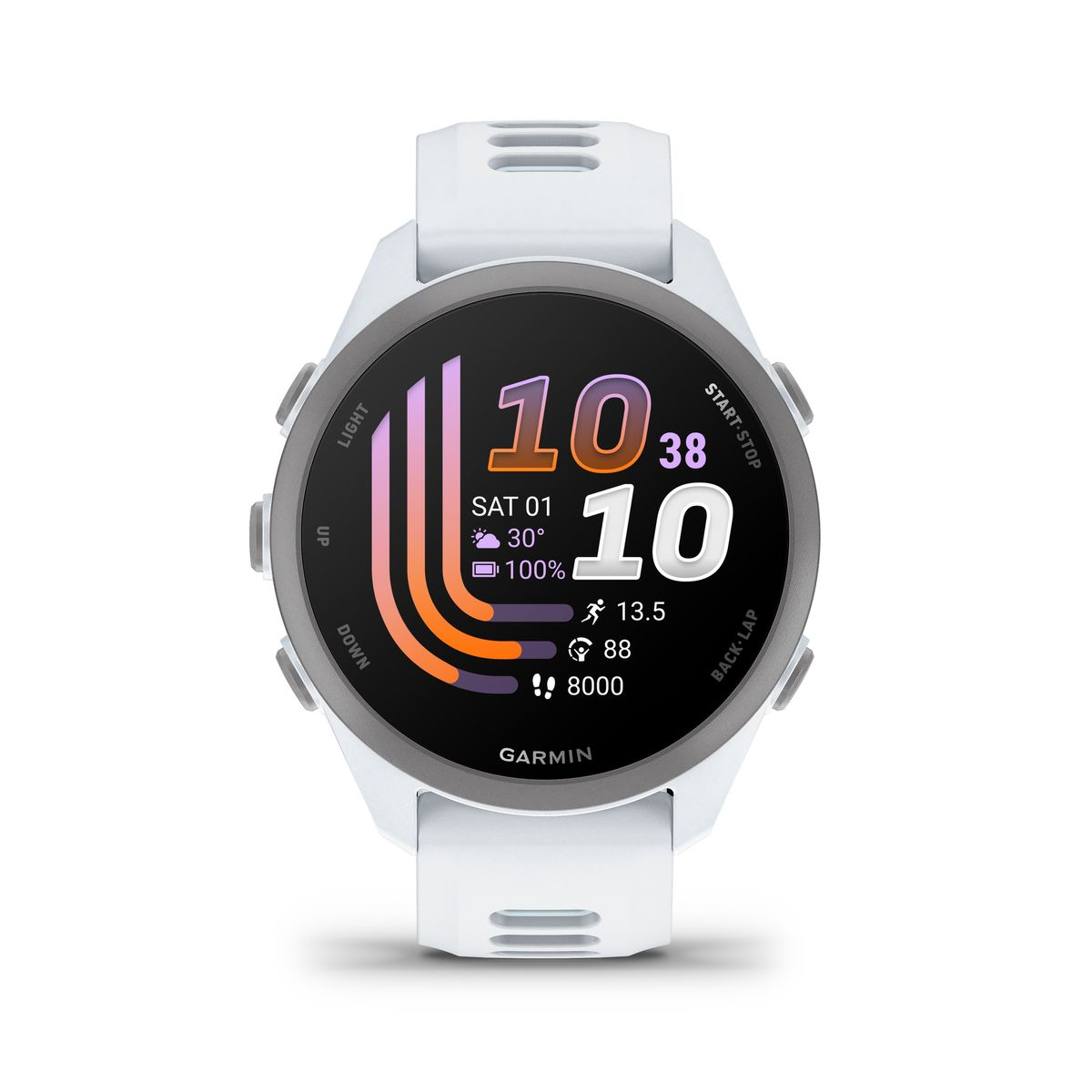
Garmin Forerunner 170 Whitestone (about R6199 from takelot.com)
This article was not sponsored but contains affiliate links. If you make a purchase through these links, ALL THAT will receive a small commission at no extra cost to you. All opinions expressed are those of the editorial team. Prices are subject to change.
Also read
Nike’s Swooshfly promises carbon-plate benefits for slower runners. Here’s what the science really says
Gerda Engelbrecht At the latest Nike launch event, the Apex and Alphafly 4 may have been the headline act, but it’s the new Swooshfly that’s stole...

Apple’s double launch: Should you upgrade to the iPhone 18 Pro now, or wait for the Duo?
Gerda Engelbrecht Apple has shaken up its traditional September release schedule, delivering not one but two distinct flagship experiences: the photog...

The art of decanting: The smart way to serve wine at its best
Gerda Engelbrecht We tested a temperature-controlled decanter from Solenco and it solved one of wine service’s most annoying problems. If you’ve e...