




Murdoku combines Sudoku with a whodunnit – and it’s dangerously addictive
There’s a new style of puzzle book available and sudoku lovers will love it.
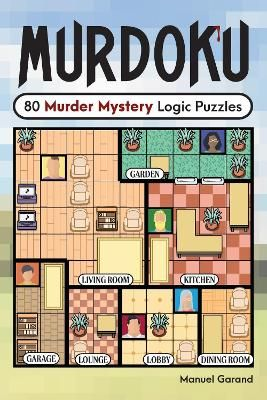
If you love Sudoku but have ever thought, this is fine, but it would be better with a dead body, then congratulations: someone read your mind. Murdoku takes the grid-logic satisfaction of Sudoku and wraps it in a full-colour murder mystery. You don’t just fill in numbers. You place suspects, follow clues, and unmask a killer. It is the brainchild of Montreal puzzlemaker Manuel Garand. Volume 1 became a USA Today and Publishers Weekly bestseller, hit number 1 at the Times Bookshop in London, and has been published in 15 languages. Now it’s available in South Africa – and Volume 2 has just landed.
What Is Murdoku?
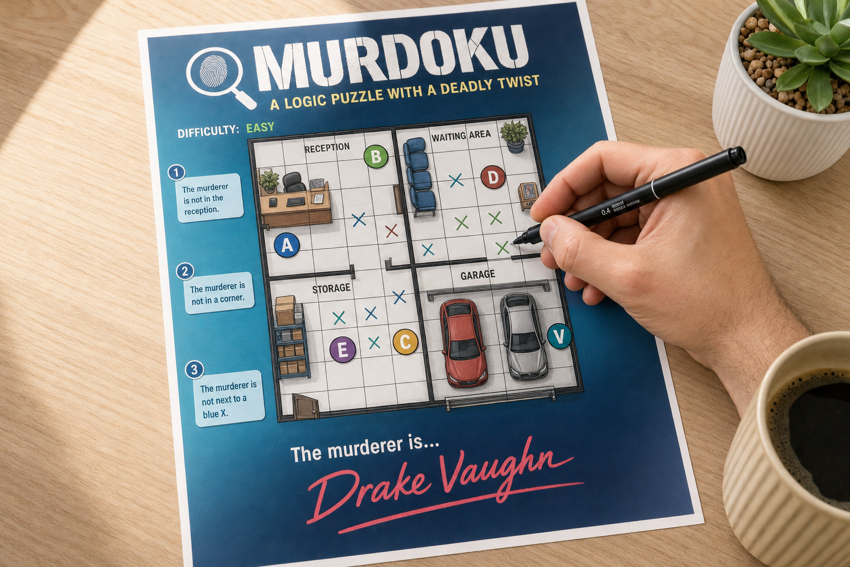
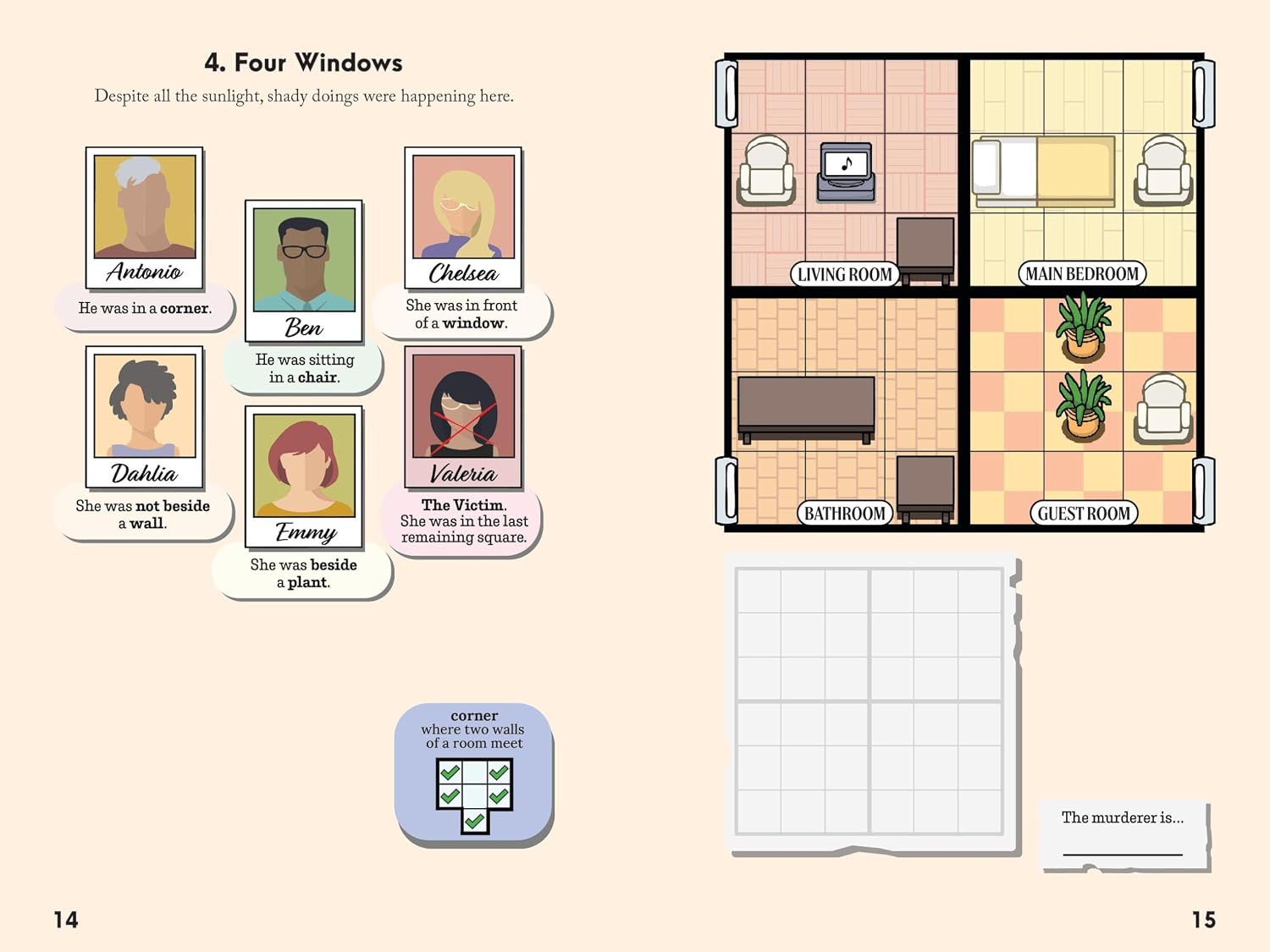
Think of each page as a miniature crime scene. A 9×9 grid is divided into rooms, each illustrated with furniture, doors, windows, plants, even animals. Scattered around the grid are a cast of suspects and one victim, each carrying a clue about where they can or can’t be placed. Your job is to figure out where everyone was standing when the deed was done – and then work out who did it.
Volume 1 gives you 80 original cases set in locations ranging from a cosy coffee shop to a luxury yacht, an abandoned demolition site, and a crowded opera house. Volume 2 – Back in Time – send you hurtling through five historical eras: the Stone Age, medieval taverns, ancient Egyptian temples, the Golden Age of Piracy, and the Wild West. Same addictive logic system, brand-new worlds to untangle. You can start with either book; Volume 2 is designed so you don’t need Volume 1 first.
How do you play?
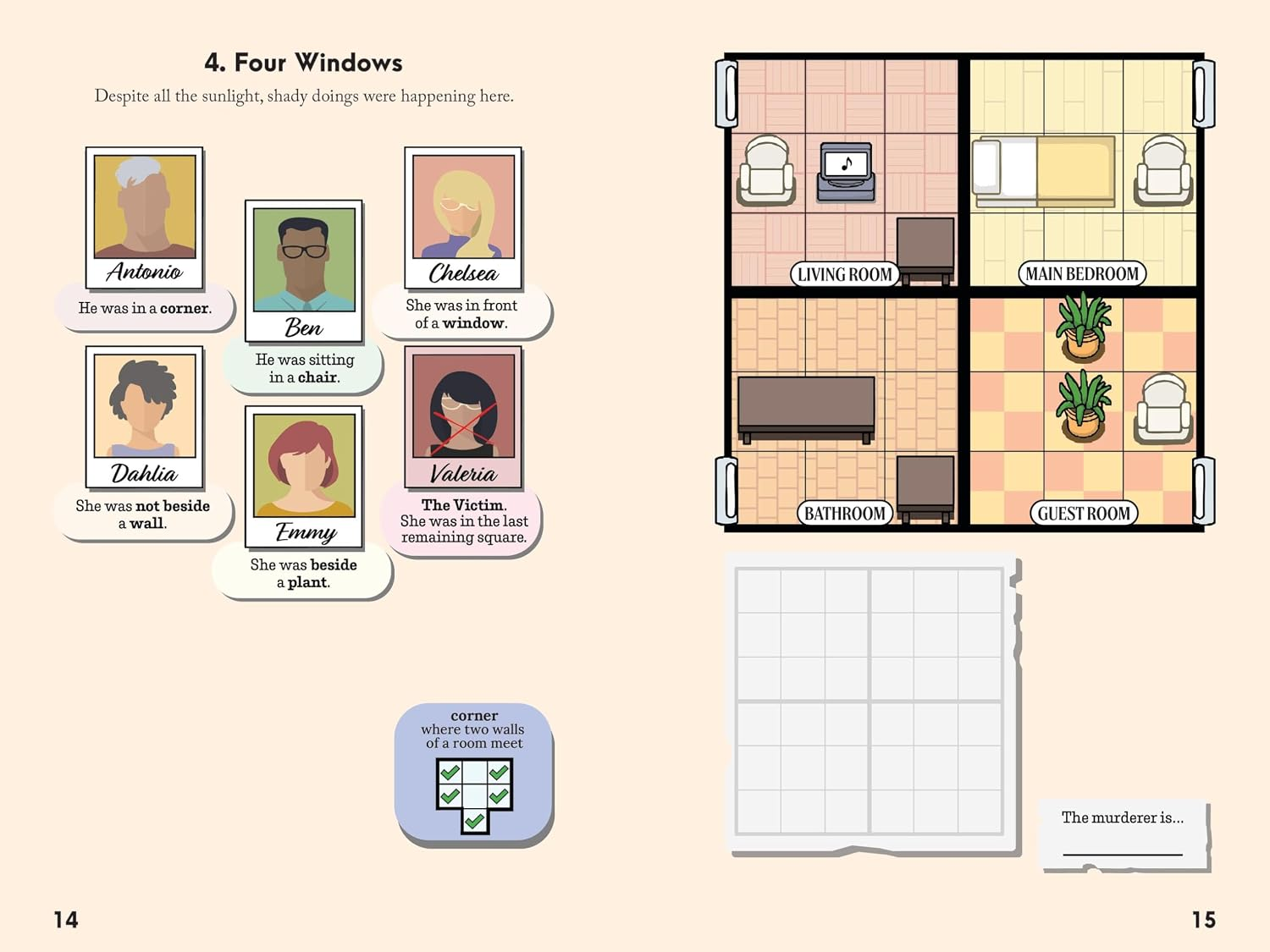
The rules are simple. The deduction is not. Here’s the gist:
- Study the grid. Each puzzle is a crime scene divided into rooms, packed with objects and features – chairs, doors, windows, plants – that all matter.
- Read the clues. Every suspect and the victim has a clue card. Clues can pin someone to a specific room, object, row, or column, or describe their relationship to another character (“I was in the same room as the chef”).
- Place everyone – one per row, one per column. This is the Sudoku backbone. No two people share a row or a column. The victim counts as a person, so their position matters too.
- Cross out impossible squares as clues narrow things down. “Beside” means directly next to someone – horizontally or vertically, in the same room. Diagonals and positions across a wall don’t count. If someone says they were sitting on a chair, they can only go on a square that has a chair.
- Solve the board. When every suspect and the victim is placed, the puzzle is solved.
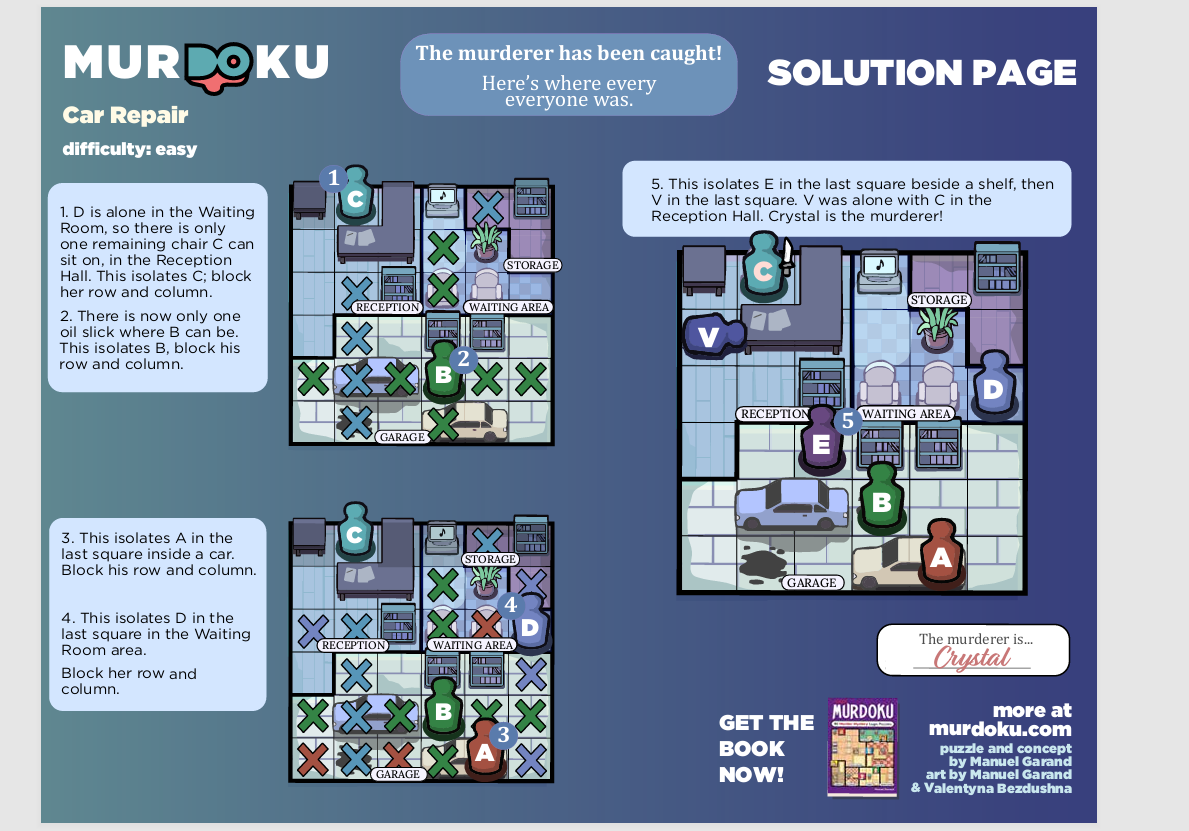
- Find the killer. The murderer is the one suspect who is alone with the victim in the same room or area. That’s your whodunnit moment.
- Stuck? Every puzzle has a full step-by-step solution at the back of the book, so you’re never left guessing.
Why you’ll be hooked
Murdoku hits a sweet spot that few puzzles manage. It is screen-free entertainment that genuinely exercises your brain – the kind of thing you can do on the couch, in a coffee shop, or on a flight, and lose an hour without noticing. The illustrated crime scenes give it a board-game feel that plain number grids can’t match, and the whodunnit payoff at the end of each puzzle is surprisingly satisfying. It is perfect for solo solving, but it works brilliantly for couples or groups who like arguing over who placed the butler where.
The difficulty ramps from gentle warm-ups to wicked late-book challenges, so beginners aren’t intimidated and veterans aren’t bored. And with 80 puzzles per volume, each book gives you serious mileage.
Buy it HERE
Both volumes are available on Takealot in South Africa:
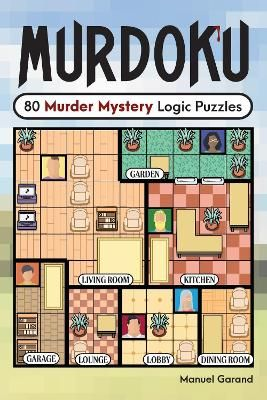
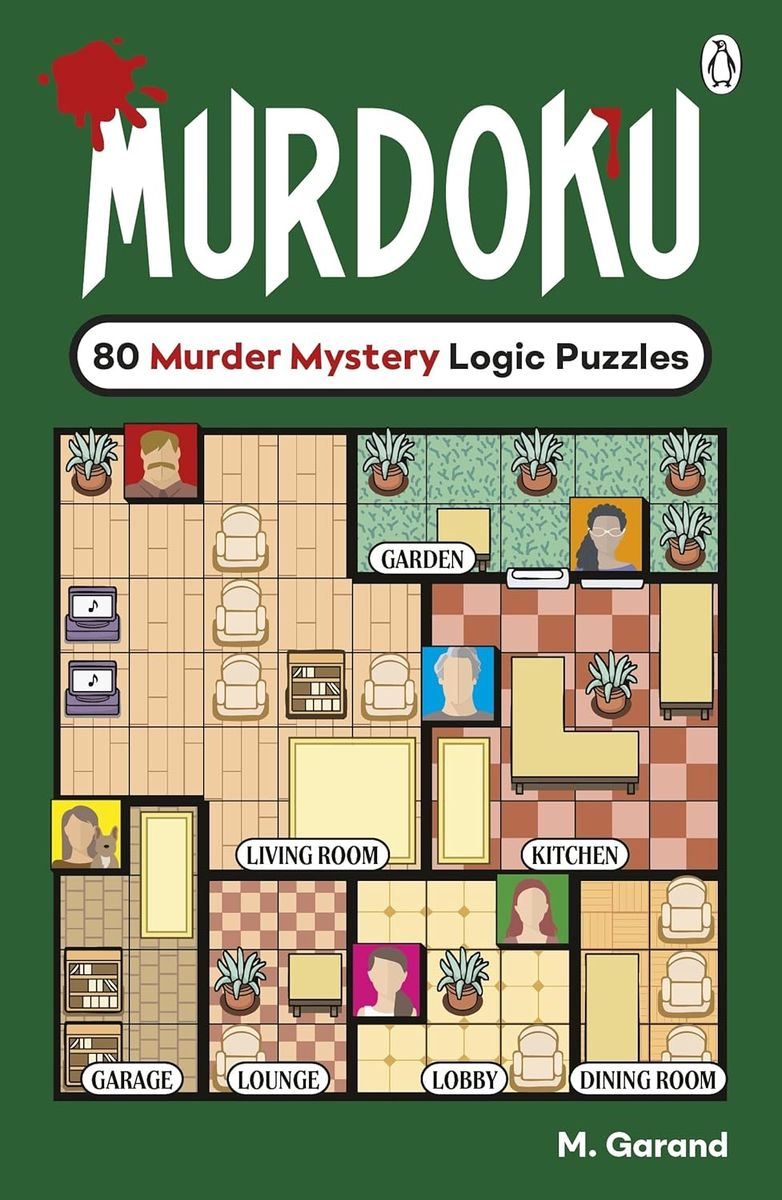
You can also try before you buy – Murdoku offers free printable puzzles at murdoku.com/print and a free online version at murdoku.com/play.
Already a Murdle fan?
If the name Murdoku rings a bell, you may be thinking of its spiritual predecessor: Murdle, the wildly popular murder-mystery logic-puzzle series by G.T. Karber. The concept is similar in spirit but different in mechanics. Each Murdle case presents a cast of suspects, a set of weapons, and a list of locations. You read the clues, tick off what you know on a logic grid – who had which weapon, who was where – and eliminate impossibilities until only one combination remains: the killer, the weapon, and the scene, all neatly matched. Murdle also runs as a free daily puzzle at murdle.com, and the books collect those cases into handsome, screen-free volumes.
Murdoku takes the same love of deduction and adds a spatial twist – you’re placing people on a map, not just matching categories on a grid. If you’ve already devoured the Murdle series, Murdoku is the natural next step. And if you haven’t yet caught the Murdle bug, there are plenty of new-ish titles to jump into:
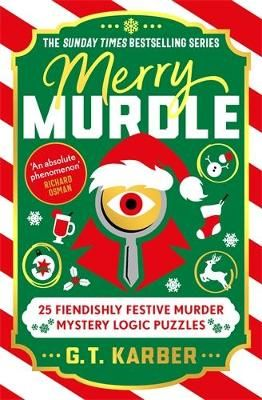
The Christmas-themed Merry Murdle (25 puzzles set across December 1-25)
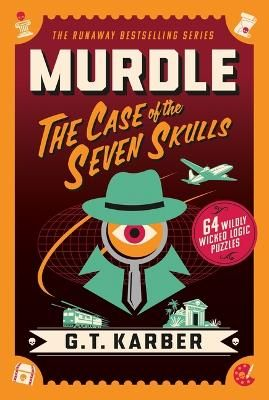
Murdle: The Case of the Seven Skulls (64 puzzles centred on seven missing bejewelled skulls),
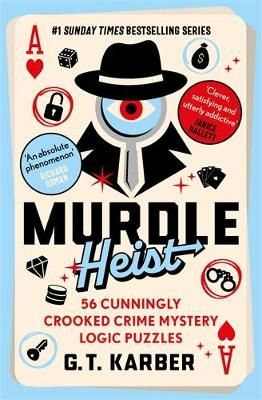
the brand-new Murdle Heist, and
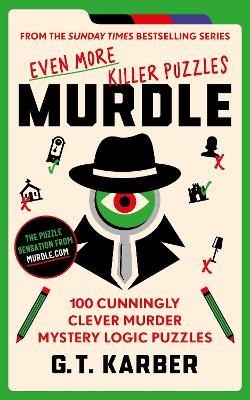
This article was not sponsored but contains affiliate links. If you buy from these links, ALL THAT will receive a small commission. All opinions are those of the editorial team.
Also read

MINNEE is the new fashion doll turning collecting into a styling exercise
Afika Jadezweni Meet MINNEE: the tiny fashion doll arriving in South Africa just as our obsession with making everything a little more “us” reache...

Smart choices start with reliable information
As readers of All That know, the right purchase decision begins long before you open your wallet.

Behind every great personal library is a woman with a little shelf awareness
There are as many ways to read as there are ways to be a woman.