


Sony RX100 VII: The pocket-sized travel camera that still delivers
We’ve been browsing the Black Friday specials and came across a deal on the Sony RX100 VII – a camera that’s been around for a while but remains a stalwart in the travel photography world. This little legend topped “best travel camera” lists for years after its release, and even in 2026, Esquire still calls it “the secret weapon of travel photographers who don’t want to be weighed down”. Some cameras age gracefully, and this pocket rocket is one of them.
Why this camera became a travel photography legend
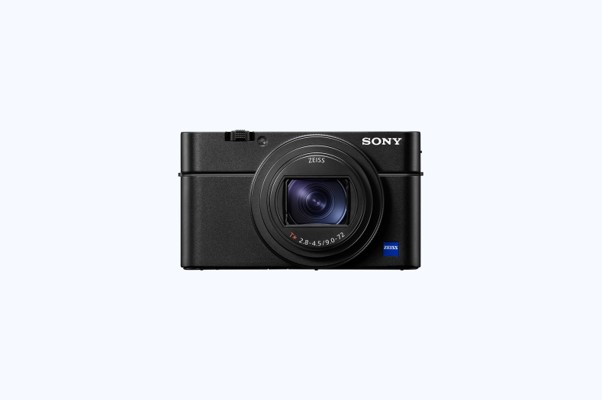
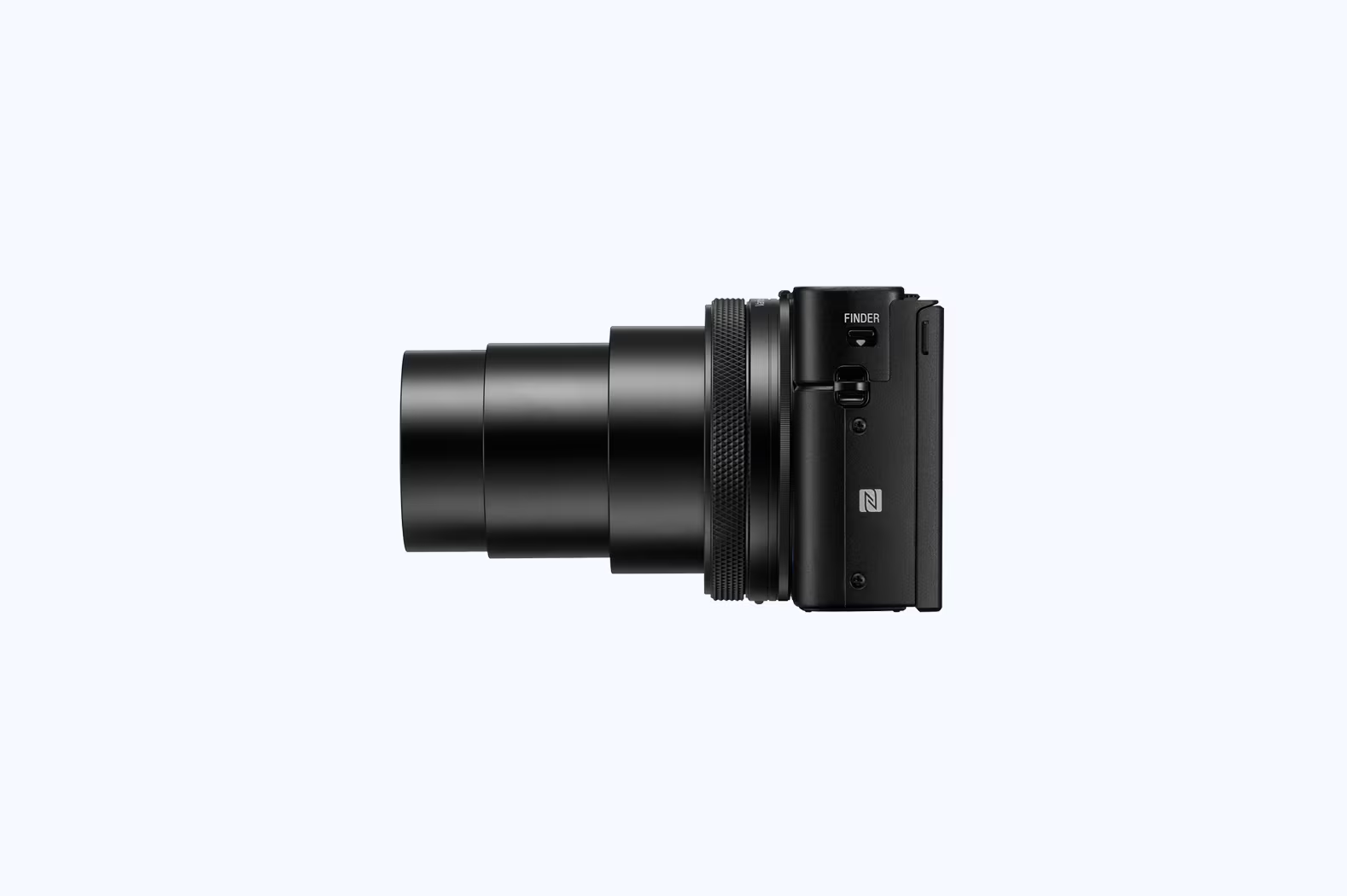
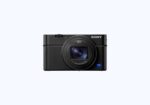
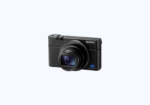
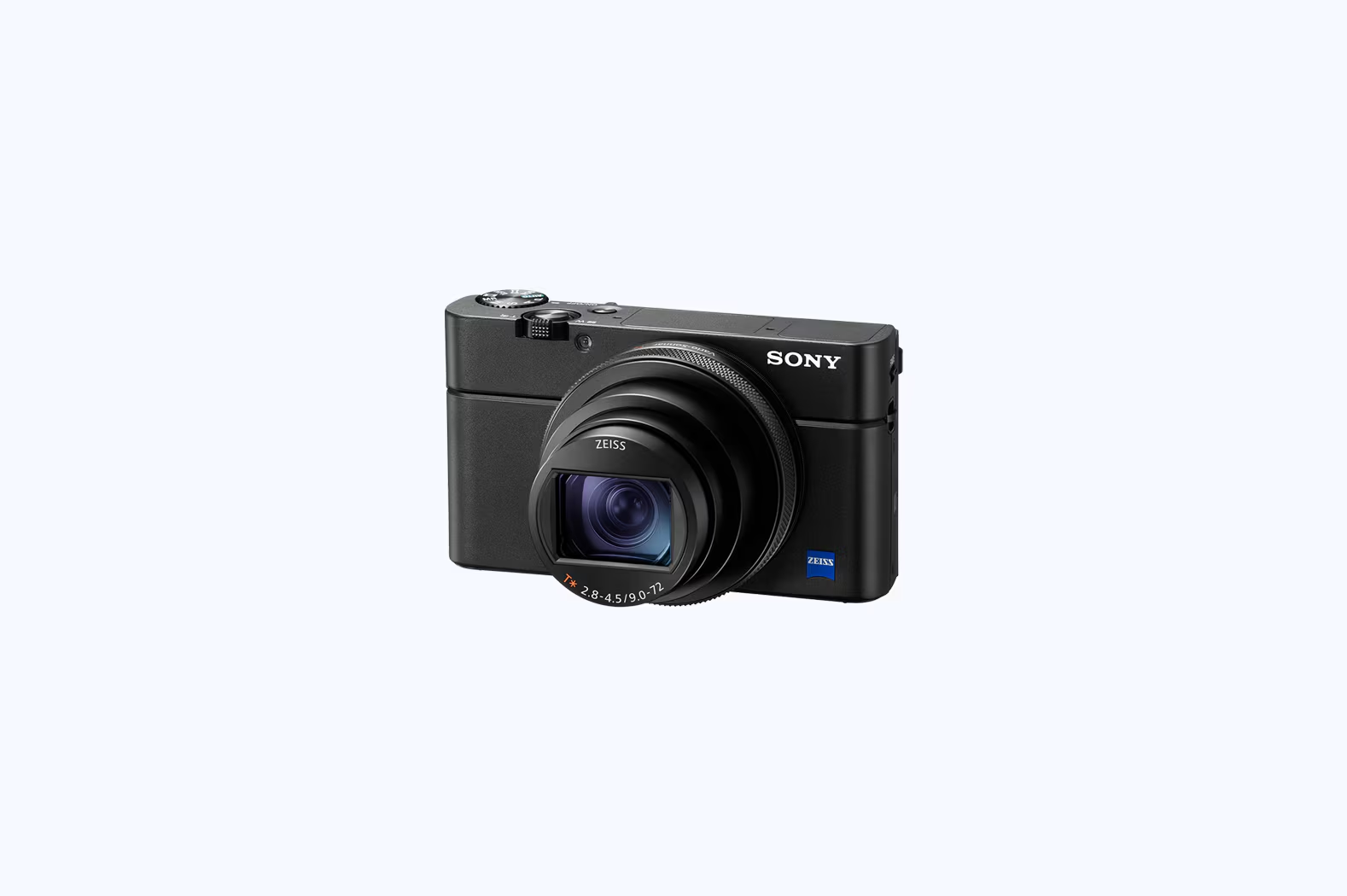
The RX100 VII packs serious technology into a body that slips into a jacket pocket. At just 302g (including battery and card), you’d hardly notice it’s there – yet it delivers the kind of performance that once required a camera bag full of gear.
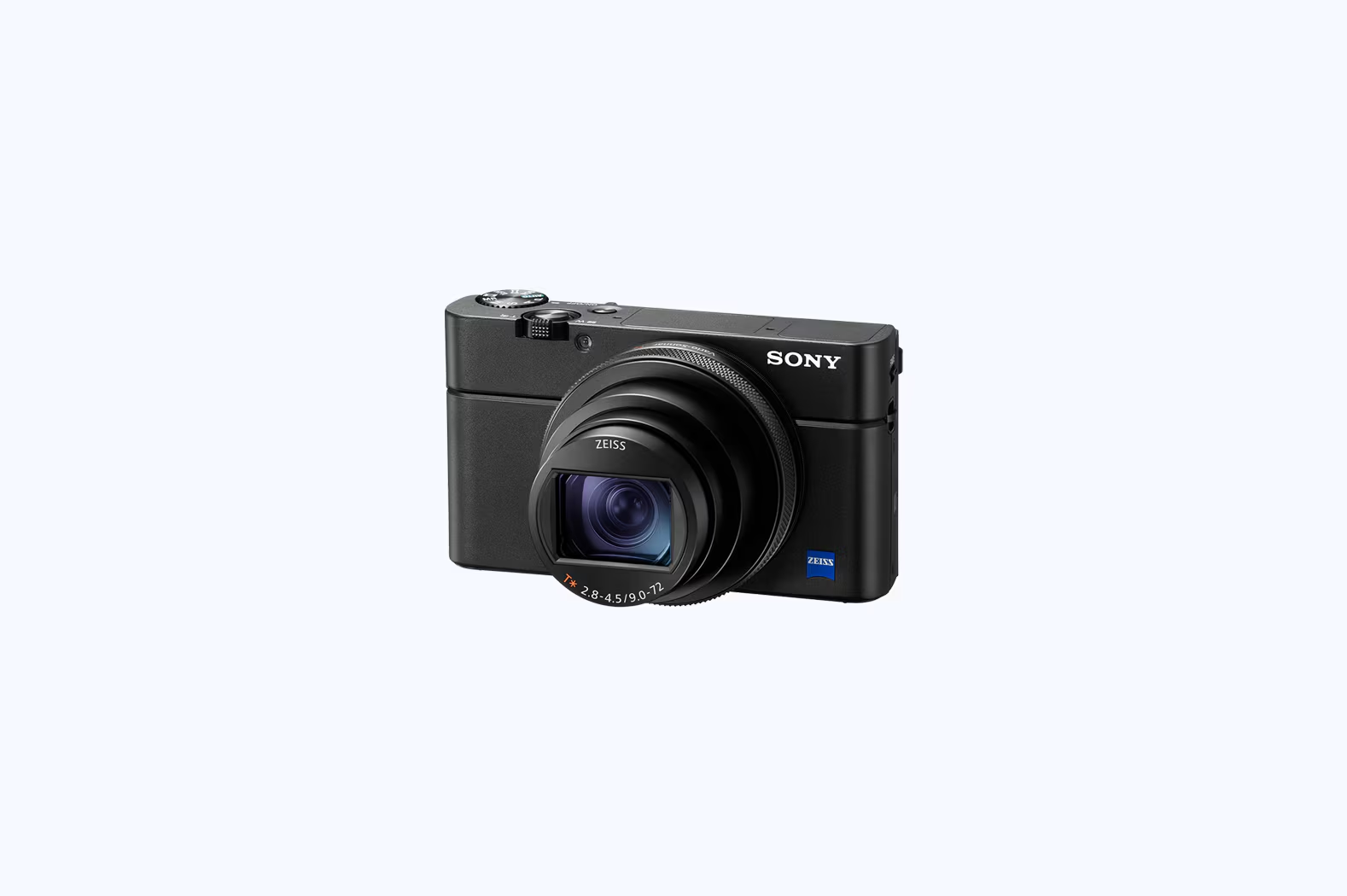
The standout feature is the 24-200mm equivalent zoom range, courtesy of a ZEISS Vario-Sonnar T* lens – and this is where Sony really showed its hand. ZEISS glass in a pocket camera is no small feat. The lens comprises 15 elements in 12 groups (including eight aspherical elements) and delivers the kind of sharpness throughout the zoom range that you’d expect from optics bearing the ZEISS name. This is serious glass in a tiny package, and it’s a key reason why the RX100 VII consistently outperforms competitors in image quality.
That 24-200mm range is the practical equivalent of carrying both a wide-angle lens for landscapes and street photography, plus a telephoto for portraits and distant subjects. All in a camera smaller than most smartphones were thick. The maximum aperture of f/2,8 at the wide end and f/4,5 at full telephoto gives you decent low-light capability and subject separation – impressive considering the compact form factor.
Specifications that matter for travel
Here’s what makes this camera brilliant for throwing in your bag and forgetting about until the moment presents itself:
- Sensor: 20,1-megapixel 1,0-inch Exmor RS stacked CMOS sensor
- Lens: ZEISS Vario-Sonnar T* (15 elements in 12 groups, eight aspherical)
- Zoom: 8x optical (24-200mm equivalent focal length)
- Aperture: f/2,8 (wide) – f/4,5 (telephoto)
- Autofocus: 357 phase-detection points plus 425 contrast-detection points, with real-time tracking and eye autofocus (human and animal). Focuses in just 0,02 seconds
- Burst shooting: Up to 20 frames per second with full autofocus and exposure tracking, no viewfinder blackout
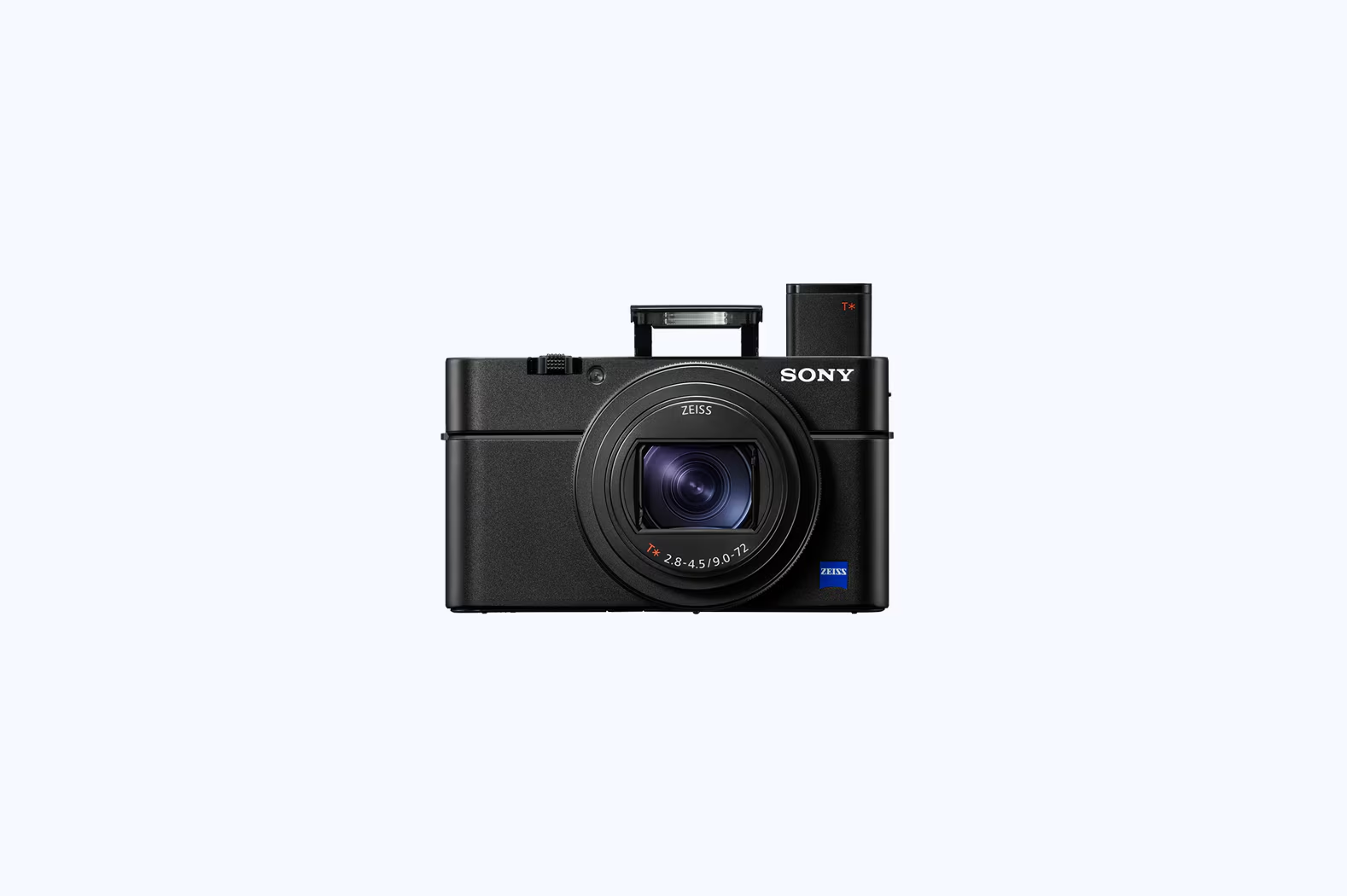
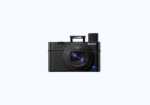
- Viewfinder: Pop-up 2,36-million-dot OLED electronic viewfinder
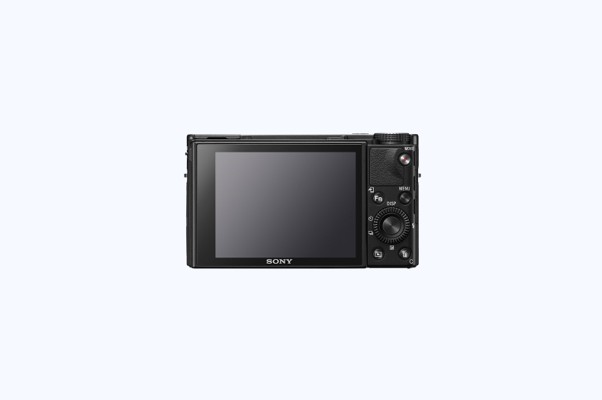
- Screen: 7,5cm tilting touchscreen LCD (flips up 180° for selfies, down 90° for low angles)
- Video: 4K recording at up to 30fps with full pixel readout and no pixel binning, plus Active SteadyShot image stabilisation
- Battery: Approximately 260 shots per charge (LCD mode)
- Dimensions: 102mm x 58mm x 43mm
- Weight: 302g with battery and memory card
The autofocus system is borrowed from Sony’s professional Alpha 9 mirrorless camera, which means you get real-time subject tracking that sticks to moving subjects – invaluable for capturing street scenes, children, or any spontaneous moment. DPReview notes that with this camera, “you should never miss a shot”.
The pop-up electronic viewfinder is a genuine advantage when shooting in bright sunlight – something you’ll encounter frequently when travelling. The tilting touchscreen adds compositional flexibility, whether you’re shooting over crowds or getting low-angle shots of architecture.
For video, the RX100 VII measures well against its competitors. It records 4K with Sony’s S-Log profiles for serious colour grading, includes a microphone input for better audio, and the Active SteadyShot stabilisation (eight times more effective than the standard mode) produces smooth handheld footage. The 180-degree flip screen makes it popular with vloggers.
Battery life sits at around 260 shots per charge, which is modest – travel photographers will definitely want to carry a spare NP-BX1 battery or two. Wi-Fi and Bluetooth connectivity make it easy to transfer images to your phone for sharing whilst you’re on the move.
The obvious limitation
Brilliant as it is for travel, street photography, landscapes, portraits, and general-purpose shooting, this isn’t the camera for extreme wildlife photography or serious birding. The 200mm telephoto reach and f/4,5 maximum aperture at that end won’t get you close enough to skittish subjects or give you the light-gathering ability needed for distant wildlife in challenging conditions. For that, you’ll need a proper telephoto setup.
ALL THAT’s verdict
The Sony RX100 VII launched in 2019 at around R30 000, which was steep for a compact camera. But the performance justified the price for photographers who needed a take-anywhere backup or a lightweight alternative to a full camera system. You can now find it for less than R20 000. It remains one of the most capable pocket cameras you can buy – still delivering the versatility and image quality that earned it those travel camera accolades year after year.
Buy it HERE from takealot.com
This article was not sponsored by contains affiliate links to partner sites. If you buy from these sites ALL THAT will receive a small commission at no extra cost to you. All opinions are those of the editorial team.
Also read
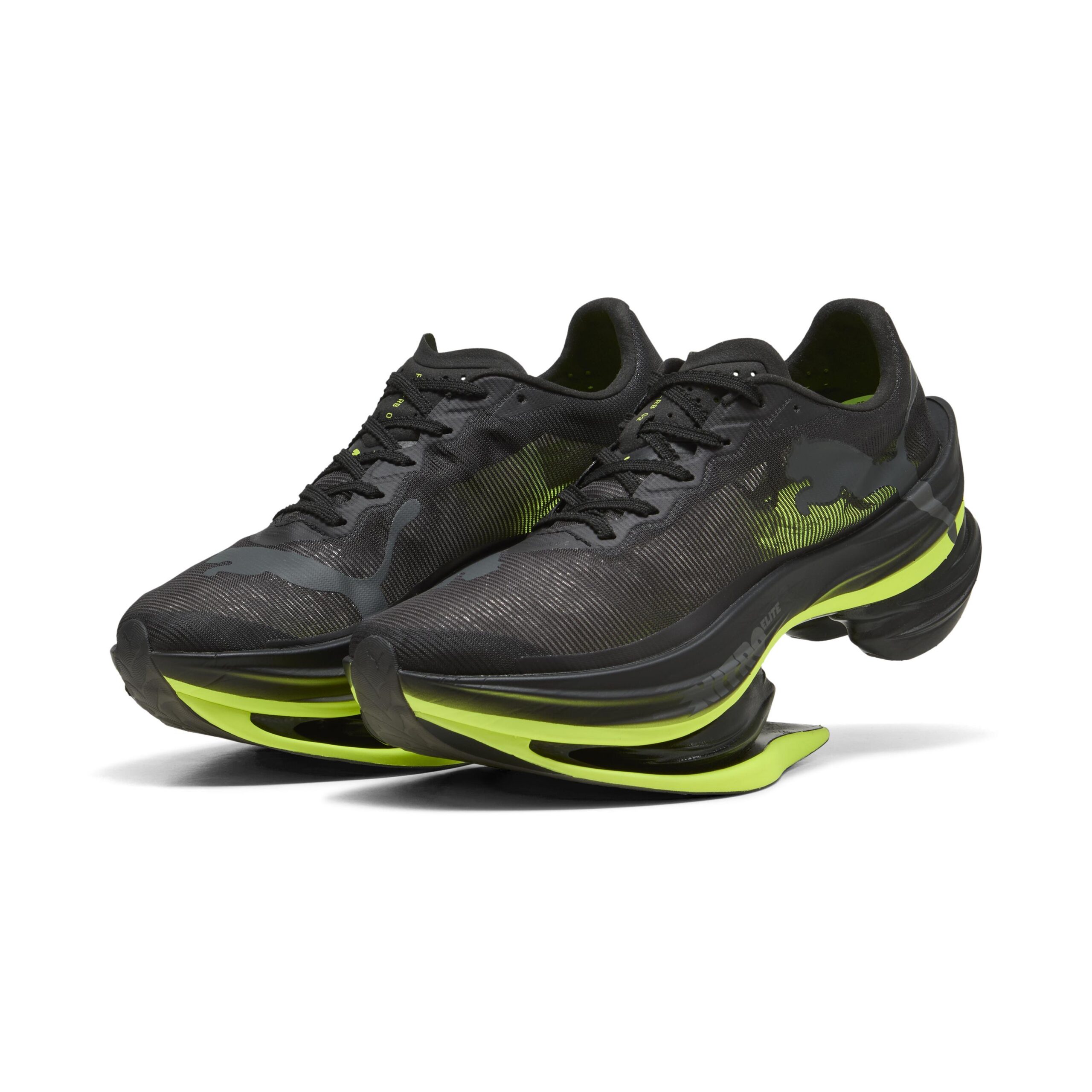
Puma’s weirdest running shoe yet might be its most innovative
Since the launch of the first carbon-plated shoes, footwear giants have tried to catch the eye with increasingly outrageous, weird designs.

TESTED: MeacoFan Sefte 8: The office essential that delivers
We tested this portable desk fan in a real-world office setting – and it’s genuinely brilliant If you work in an office where the aircon works per...

Forget the hype: Real Black Friday savings start with prep
Black Friday is just a few weeks away, and while the frenzy of discounts can feel overwhelming, a little preparation now can mean the difference between genuine savings and buyer’s remorse.