



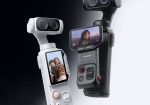
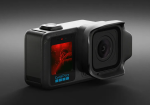
GoPro Mission 1 Takes on the DJI Osmo Pocket 4 Pro and Insta360 Luna
Three cameras. Three completely different philosophies. And one question on every vlogger’s mind: which one actually deserves a spot in your kit? GoPro just fired the first shot with the Mission1 series – and it is an absolute beast.
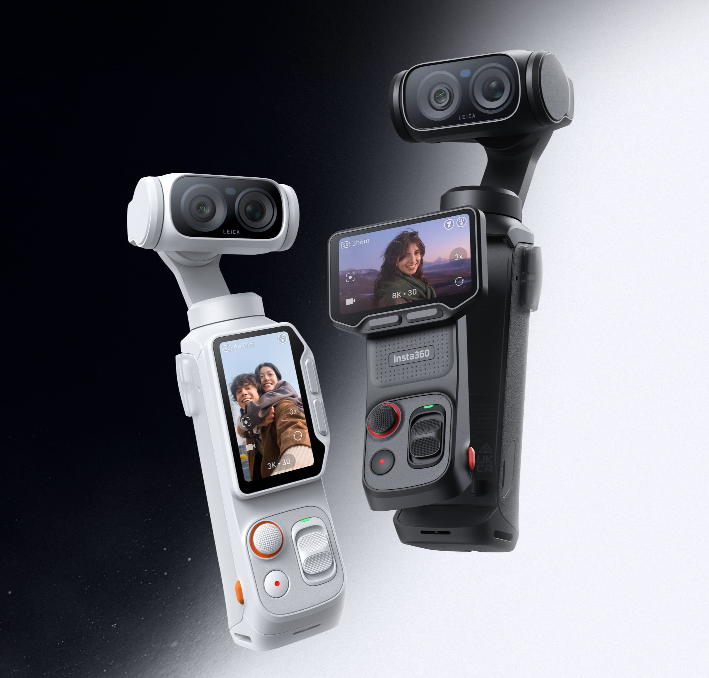
For the past few months, tech forums and vlogging communities have been locked in heated debate. We all thought we knew what the future of compact filmmaking looked like. The rumour mill was buzzing over the modular Insta360 Luna and the highly anticipated DJI Osmo Pocket 4 Pro. It seemed inevitable that the vlogging world would be divided between mechanical gimbal purists and modular camera geeks.
Then GoPro walked into the room and completely upended everything.
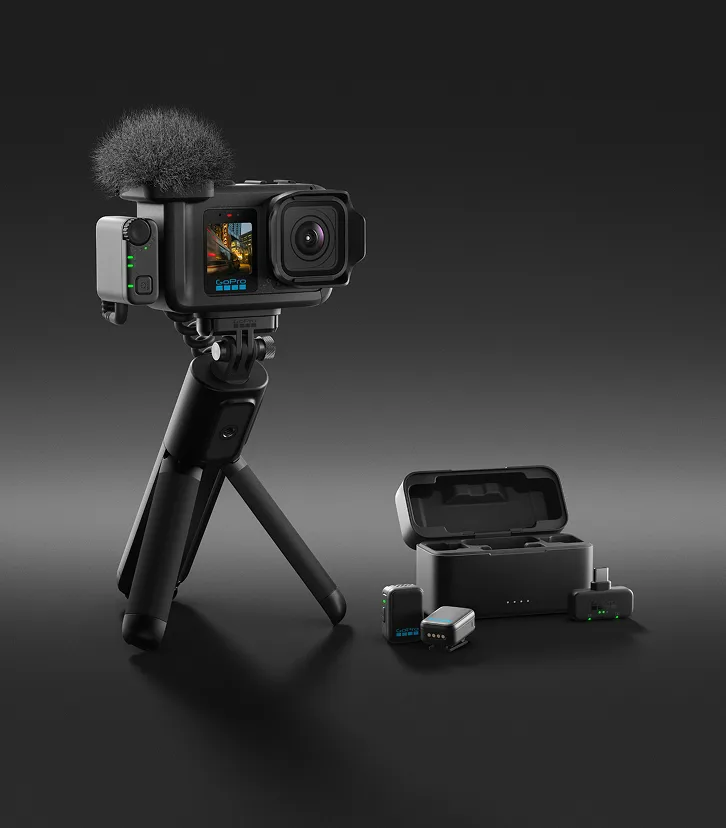
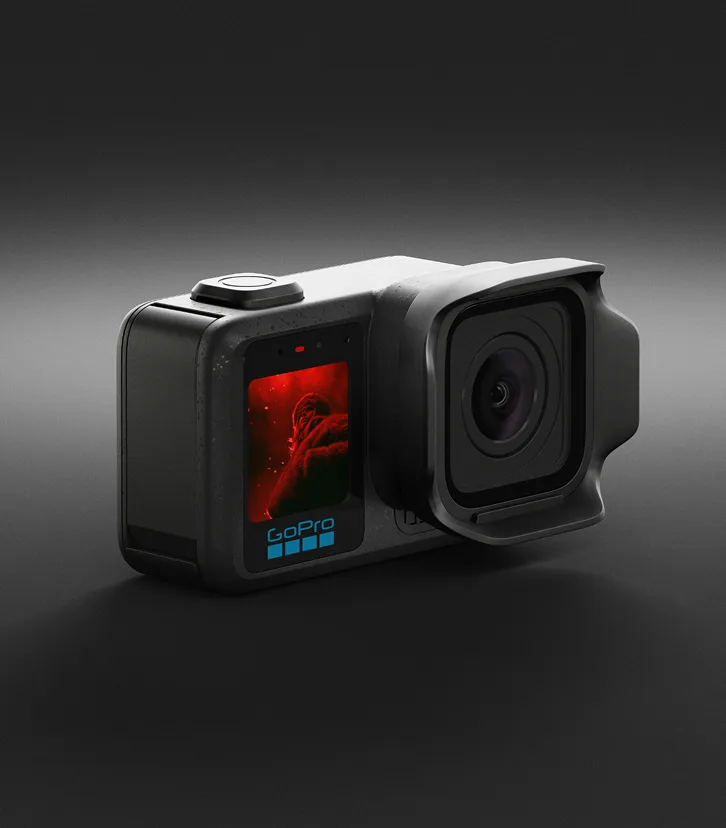
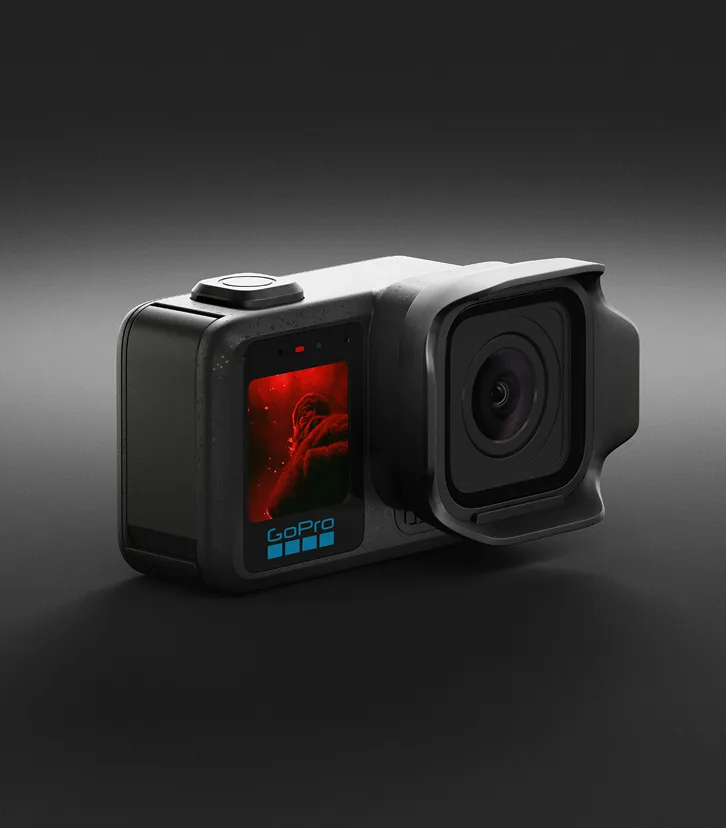
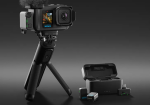
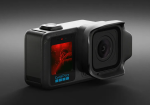
With the launch of the Mission 1 series, GoPro didn’t just iterate on the Hero line – they blew right past it, squeezing a massive 1-inch “cinema-grade” sensor into a reinforced, tank-like chassis. The result? A complete disruption of the compact camera landscape.
Let’s break down exactly what GoPro has put on the table, how it stacks up against the competition, and which camera deserves a spot in your gear bag.
Inside the Beast: Mission 1 vs Mission 1 Pro Specs
GoPro built this lineup from the ground up to challenge high-end cinema rigs whilst maintaining action-camera DNA. Powered by their ultra-efficient 5nm GP3 processor and an integrated AI Neural Processing Unit (NPU), both cameras sport a jaw-dropping 50MP 1-inch sensor capable of up to 14 stops of dynamic range.
Here’s how the base model and its powerhouse sibling split their technical DNA:
GoPro Mission 1
- Video resolution: 8K at 30fps/ 4K at 120fps/ 1080p at 240fps (16:9)
- Open Gate capture: 4K at 120fps (full 4:3 sensor readout for multi-platform cropping)
- Lens: Fixed ultra-wide 159-degree native field of view with removable lens hood
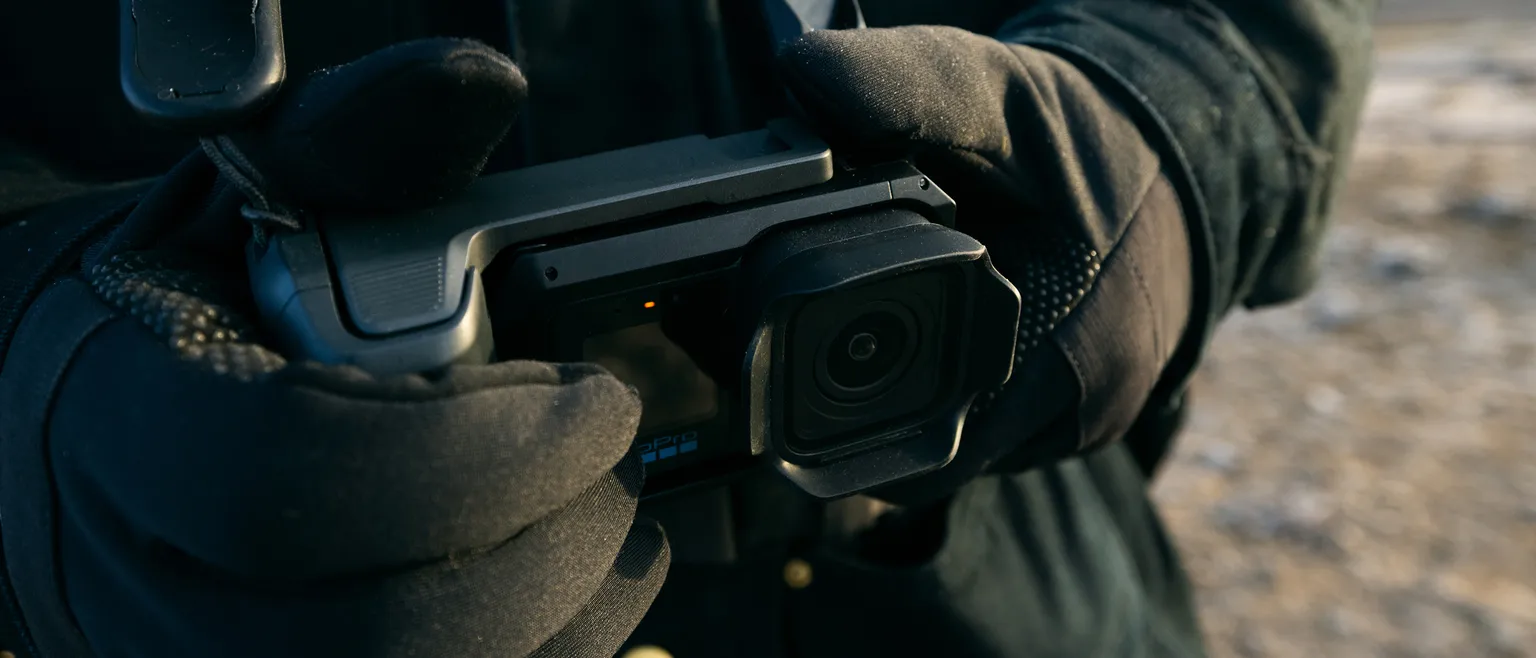
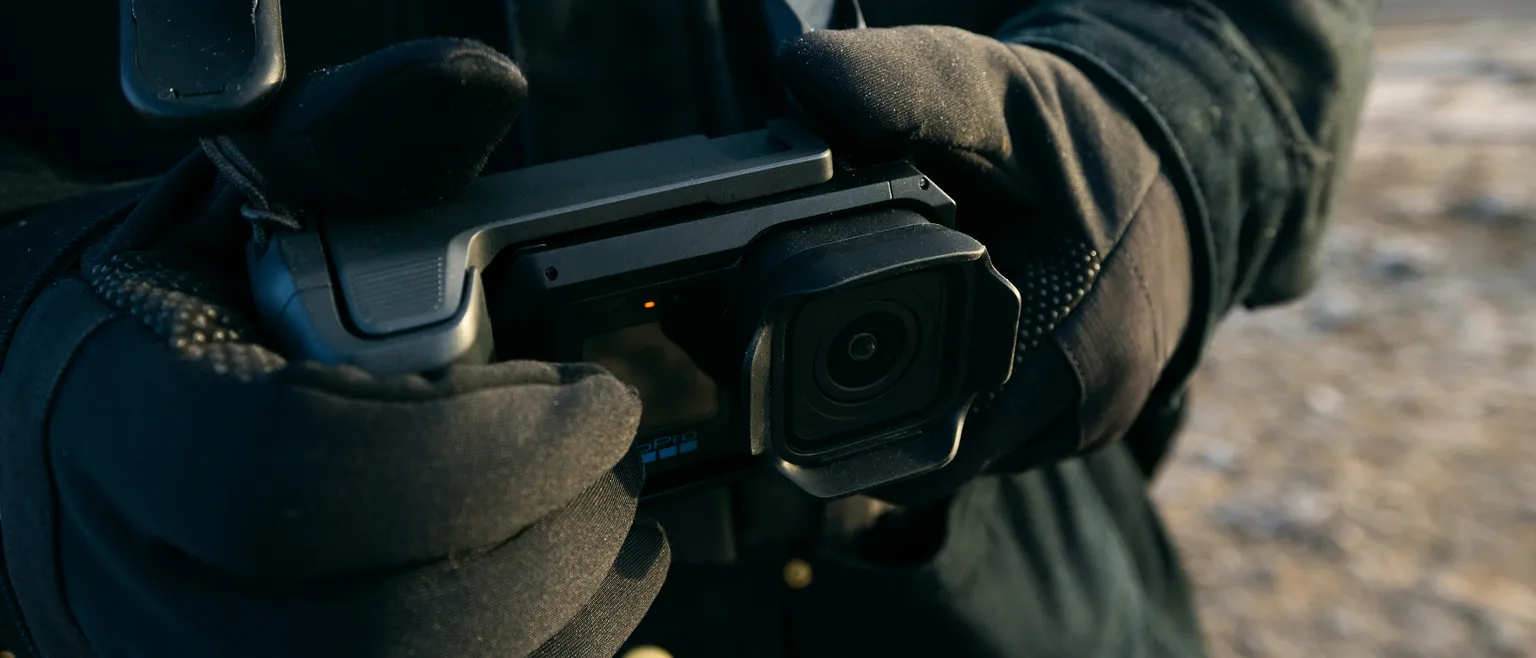
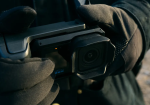
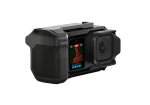
- Durability: Waterproof down to 20 m without external housing; ruggedised chassis with raised, glove-friendly physical buttons
- Display: New high-contrast OLED rear touchscreen (14% larger than previous flagships)
- Battery life: 3+ hours recording at 4K30; 5+ hours at 1080p30 (via fast-charging Enduro 2 battery)
GoPro Mission 1 Pro
- Video resolution: Professional-grade 8K at 60fps / 4K at 240fps / 1080p at 480fps (non-burst)
- Open Gate capture: Immersive 8K at 30fps / 4K at 120fps (full 4:3 sensor readout)
- Extreme slow motion: 10-second burst capabilities up to a staggering 960fps in 1080p
- Broadcast/cinema tools: Native 32-bit float audio support, 10-bit GP-Log2 colour profiling, 240 Mbps recording bitrate, and dedicated hardware timecode synchronisation
- Durability and display: Shared with base model (20 m waterproof, expanded OLED display)
- Note: GoPro will also launch a specialised Mission 1 Pro ILS model, which strips away the fixed glass for a Micro Four Thirds interchangeable lens mount. It will give you the capability
Head-to-Head: GoPro Mission 1 vs DJI Osmo Pocket 4 Pro vs Insta360 Luna
The compact video market is no longer a monolith. These three titans represent entirely different philosophical approaches to capturing your life.
GoPro Mission 1/1 Pro |
DJI Osmo Pocket 4 Pro |
Insta360 Luna Ultra |
|
Form factor |
Ultra-rugged action box | 3-Axis Mechanical Gimbal Stick | Modular body with detachable display |
Sensor |
1-inch (50MP, 14 stops dynamic range) | Dual-sensor – 1-inch LOFIC wide (17 stops) + 1/1.28-inch telephoto (14 stops) | Dual-sensor – 1-inch main (14 stops) + 1/1.3-inch telephoto |
Max resolution |
8K at 60fps (Pro) | 4K at 120fps | 4K at 60fps |
Stabilisation |
Digital (HyperSmooth + 360 degrees horizon lock) | Mechanical 3-axis hardware tracking | Hybrid (Gimbal head + FlowState) |
Water resistance |
20m waterproof (naked) | None (fragile joints) | Weatherproof |
Special sauce |
14 stops dynamic range, 32-bit float audio | Flawless low-light, face tracking | Detachable screen acts as wireless remote, dual lens focal options |
The battle for stabilised supremacy
The DJI Osmo Pocket 4 Pro remains the king of run-and-gun smooth panning out of the box. Its mechanical gimbal gives it a physical advantage in the dark, keeping the lens perfectly steady without digital artefacts.
However, GoPro has countered this elegantly. Whilst the Mission 1 uses digital HyperSmooth for everyday action, they’ve launched the companion Fluid Pro AI gimbal – a separate, motorised accessory with automatic face-tracking. This allows you to have mechanical perfection when you want it, but you can leave the fragile gimbal arms in your bag when things get messy.
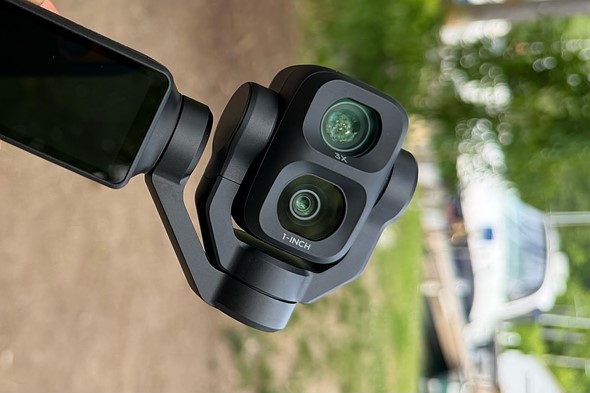
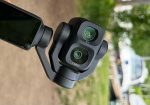
The Insta360 Luna takes a completely different path with its modular design, featuring dual lenses for different focal lengths and a detachable display that doubles as a wireless remote. It’s incredibly clever for solo content creators setting up tricky tripod shots, but its dual-battery, multi-joint build naturally feels less solid than a unibody camera.
Also read: The DJI Osmo Pocket 4 is fantastic – but don’t buy it yet
The verdict: Which camera suits you best?
The rugged cinematic creator: GoPro Mission 1/ Mission 1 Pro
Best for: Travel vloggers, outdoor filmmakers, and high-impact creators who need Hollywood-grade imagery without the anxiety of breaking equipment.
If you want the depth and low-light performance of a 1-inch sensor, but your content involves hiking, diving, motorbikes, or harsh weather, the Mission 1 is the undisputed choice. The Pro model’s 10-bit log, timecode sync, and 32-bit float audio mean it will blend seamlessly on professional multi-camera production sets whilst surviving drops that would turn other cameras into paperweights.
The smooth solo vlogger: DJI Osmo Pocket 4 Pro
Best for: City vloggers, lifestyle creators, interviewers, and anyone shooting heavily in low-light urban environments.
If your primary goal is to pull a tiny stick out of your pocket, press record, and have it instantly track your face with perfectly buttery mechanical stabilisation, DJI still owns this space. Just do not take it near the ocean or drop it on a rocky trail.
The Swiss Army knife studio: Insta360 Luna
Best for: Creative tech-heads, multi-angle experimenters, and solo creators who need a versatile production tool.
If you love setting up a camera across the room and using a wireless, detached screen to frame your shot, adjust settings, and monitor audio, the Luna’s modular ecosystem is incredibly empowering. It is built for the creator who treats the world as a controlled studio space rather than an obstacle course.
Buy it from takealot
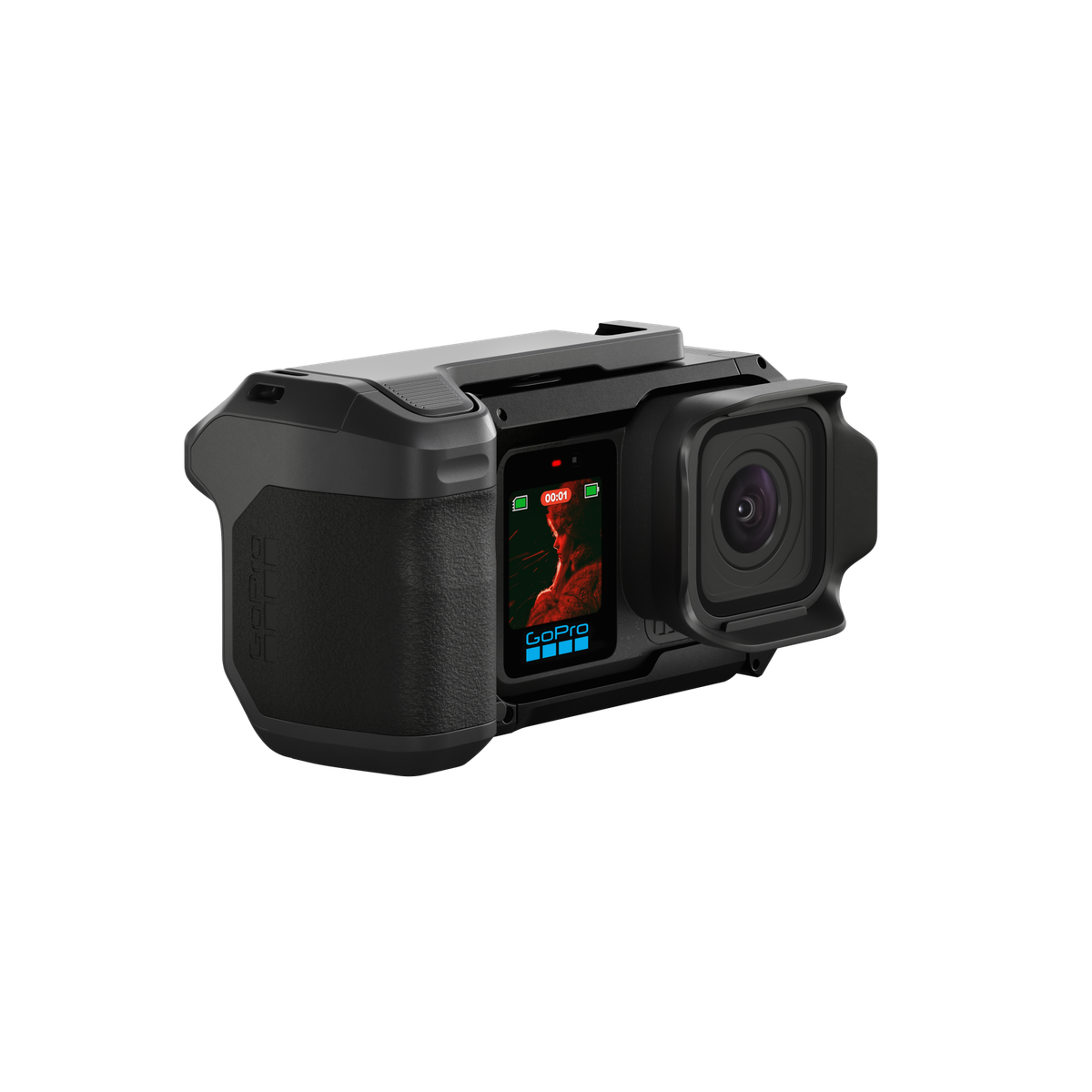
About R15 295 for the basic GoPro Mission 1 Pro
About R16 995 for the Pro Grip Edition
This article was not sponsored but contains affiliate links. If you make a purchase through these links, ALL THAT will receive a small commission at no extra cost to you. All opinions expressed are those of the editorial team.
Also read

The best budget GPS running watches: Garmin Forerunner 70 vs. Forerunner 170
If you are looking to track your runs without emptying your wallet, Garmin’s budget-friendly lineup has a clear answer.

The ultimate Father’s Day gift guide: Spoil the man who deserves the best
Father’s Day is the perfect opportunity to pause, say thank you, and truly spoil the men who have given us so much.

Charging the pitch: Inside the World Cup’s radically redesigned smart ball
The 2022 FIFA World Cup featured battery-powered soccer balls that needed charging on the sidelines.