


Consider buying your first drone? What says the law in SA?
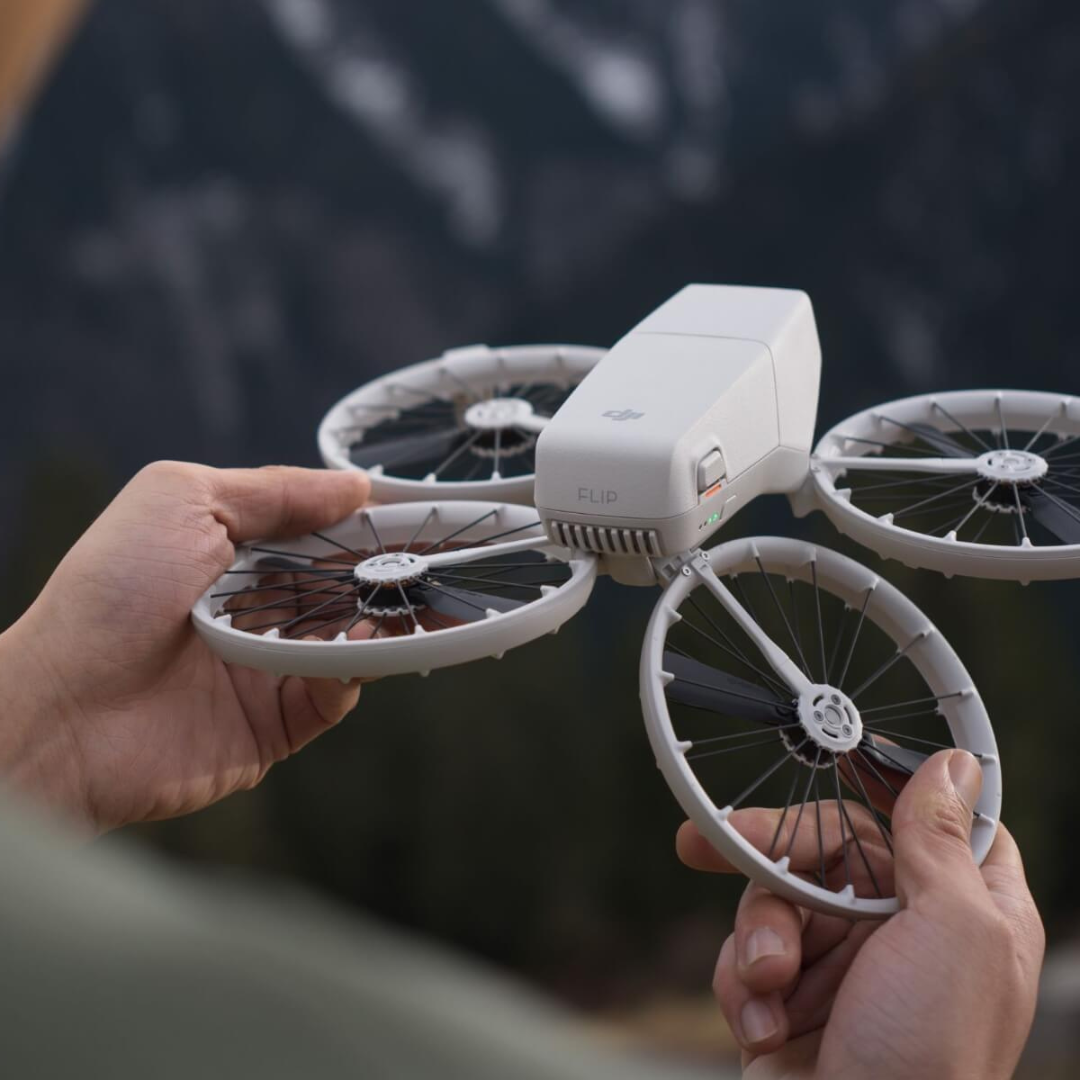
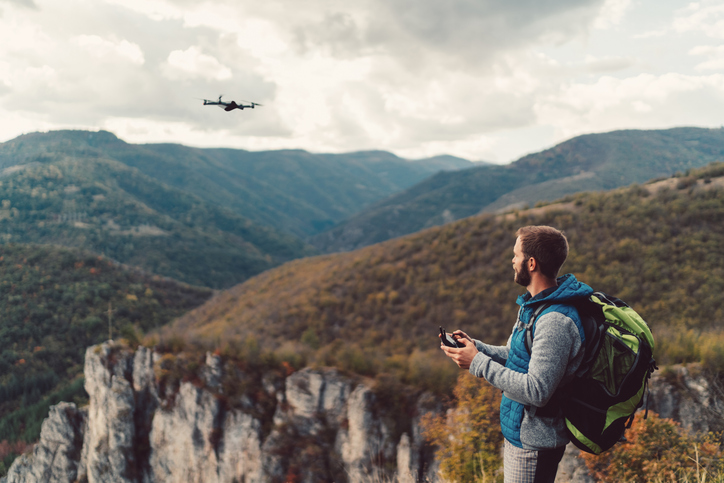
If you behave and obey the law while taking your neighbour into account, drone cameras can open up a whole new world of photography for you, offering a fresh perspective on different places. Here are the 15 Commandments for drones you should be aware of.
Byline: Cyril Klopper, Go! Drive & Camp
Getting to a remote place, whether on foot or with your 4×4, is part of the fun. The other part is observing the location from new angles and capturing it with a camera. An aerial photo of your off-road vehicle in the open, a secret campsite by a river, or your bold convoy in Angola would surely look amazing.
In South Africa, you can use a drone without needing a pilot’s license or registering the drone – a nice allowance – but unlicensed users with unregistered drones are governed by strict regulations. Drone-friendly countries like Indonesia, Iceland, and Switzerland also allow you to use drones without a license or registration with the aviation authority, but you enjoy significantly more privileges there than locally.
Be Warned: Not everyone likes your drone – not SANParks (South African National Parks), authorities, or your neighbour, for that matter. Consider the following if you want to take photos and videos with your drone hassle-free.
The 15 Commandments for unlicensed drones in South Africa
The South African Civil Aviation Authority distinguishes between three types of remotely controlled aircraft: model aircraft (for hobbies), toy aircraft (for children), and RPAS – which stands for “remotely piloted aircraft systems” – Civil Aviation’s term for drones.
You do not need a license to fly a typical drone unless you use it for commercial purposes. However, you must comply with Civil Aviation regulations if you do not want the authorities to seize your drone. Additionally, you risk being fined up to R50 000 and even facing up to 10 years in prison if you violate the regulations below.
- A drone may not fly closer than 50 meters to a person or group of people without their permission.
- You may not use a drone on private property without the landowner’s consent.
- A drone may not fly closer than 50 meters to a public road. However, landowners may give you permission to fly over their private roads.
- A drone may not fly closer than 50 meters to any structure (such as a house or office building) without the owner’s consent.
- You may not use a drone in controlled, restricted, or prohibited airspace. A drone may not be used within 10 kilometers of an airport, airstrip, or airfield.
- You may not operate a drone near a manned aircraft. (We must repeat that these regulations apply to unlicensed drone users.)
- Your drone may not fly closer than 10 kilometers to a power plant (whether hydro, solar, or wind facilities), a prison, border post, harbor, police station, crime scene, military property, or any critical national assets. Combined with the restriction near airports, this leaves very few places—apart from exceptions—near cities and major towns where you can practice flying with your drone. Almost the entire Gauteng province is controlled airspace, so Gautengers need to travel to places like Hammanskraal, Middelburg, the Vaaldam, or Carltonville for the nearest uncontrolled airspace. Cape Town and Durban residents are better off as uncontrolled airspace lies just 20 kilometers outside the city, provided you avoid nature reserves.
- No aircraft (whether manned or unmanned) may fly lower than 2 500 feet (762 meters) above nature reserves, national parks, and world heritage sites. Additionally, since drone flying heights are strictly limited, you cannot fly your drone at all in these protected areas.
- Your drone may not fly higher than 150 feet (45 meters) in uncontrolled airspace. For instance, in the heart of the Great Karoo in Van Wyksvlei, your drone must still remain below 45 meters, and you may certainly not fly over the homes in the village.
- Your drone may not fly higher than the tallest obstacle within 300 meters of you.
- Your drone must always remain within your line of sight and never more than 500 meters away. However, if you have a tiny drone like those in the DJI Mini series, it must not be farther than you can see it; this distance will therefore be significantly less than 500 meters.
- You should only fly in good weather conditions that allow you to keep the drone in sight. If your drone has navigation lights, they must always be visible flashing.
- It is illegal to transport or drop items with an unlicensed drone.
- Lastly, your drone may not weigh more than 7 kilograms and must not have an impact energy of more than 15 kJ.
- You must have a drone license if there is any financial gain or financial interest involved.
Obtaining a drone license
To get a drone license (RPL), you need to undergo training at an accredited training center. You must be proficient in Level 4 English, be familiar with proper radio procedures, and pass a medical examination. The license will cost you between R15 000 and R30 000 and must be renewed every few years. Additionally, besides the RPL, you’ll also need an ROC (RPAS Operator’s Certificate). It only makes financial sense if you intend to use your drone to create content for clients (e.g., for advertisements or TV series). There are several flight schools in South Africa that offer these training programs, which you can find online.
Keep your drone away from national parks
SANParks sometimes confiscates visitors’ drones, even if they are stored in a case and the owner has no intention of flying them within the park. SANParks views drones similarly to firearms: they don’t have an issue with you owning one; you just may not bring it into the park. Indeed, SANParks has arrested individuals who used drones within reserves.
According to a press release from SANParks: Drones are prohibited under the National Environmental Management Act (commonly known as the NEMA Act). Regarding protected areas, it is stipulated that “it is illegal to fly under 2 500 feet above the highest point of any national park with any aircraft or drone without the express permission of the management authority of the respective national park” – in this case, SANParks – making them legally designated restricted airspaces and no-fly zones for all unauthorized aircraft systems.
Tips from ALL THAT
- You may read the above rules and conclude that there is nowhere you can fly your drone and that it’s therefore a waste of money. However, remember one big rule – ask for permission – and by obtaining the owner’s consent, you can still enjoy using your drone in South Africa.
- Familiarise yourself with the rules if you plan to use the drone overseas. In Europe, the rules are more lenient. Most of the regulations do not apply to drones weighing less than 250 grams—which is why manufacturers brag about drones weighing precisely 249 grams. Drones remain fantastic tools for hiking in the mountains. In America, however, the rules are quite draconian.
- Update everything before you start flying: the app on your phone as well as the software on your drone. Also, calibrate the drone.
- Always wait until the drone has found all its satellites and the voice with the heavy accent says, “the home point has been updated.” If you don’t do this, the drone may try to find the last location where it was used, which could be kilometers away.
- If you’re flying small drones, wind is not your friend. Download the UAV Forecast app—it provides a summary of wind conditions at your current location. The app will highlight bad flying conditions with “Not good to fly.” Follow its advice!
- If you are still learning to fly, stay away from water. Also, watch out for birds, especially seagulls, who like to trouble small drones.
- Join the Facebook group Drones South Africa to chat with experienced drone users.
Also read

MacBook Neo: Apple’s Game-Changing R12 000 Laptop
Apple officially launched its groundbreaking entry-level laptop, the MacBook Neo, in the middle of March.
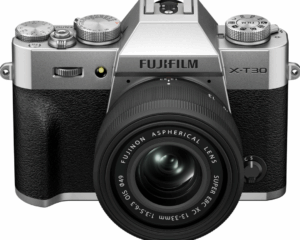
Fujifilm’s new X-T30 III will wow video creators
No camera manufacturer nailed that wonderful retro appearance quite like Fujifilm, and the nifty X-T30 III is no exception.
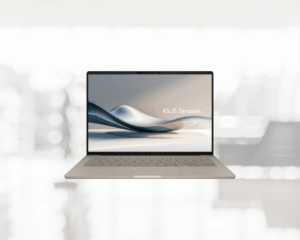
The Asus Zenbook A14: Small but mighty
In an era where mobility and performance must coexist seamlessly, the Asus Zenbook A14 (UX3407) emerges as a compelling solution for modern professionals and content creators.