


Developing Old Interests: Best Film Cameras for Analogue Photography Lovers
Three options to consider for optimising different experiences and creative objectives, as recommended by an avid analogue collector.
There are at least two rolls of film sitting on my media unit that I haven’t developed yet. One of them has now outlived a birthday, and a night that deserved better lighting. I know — vaguely — what’s on it (or at least who), but the images themselves remain withheld for now.
That’s the quiet seduction of film for me. Not nostalgia per se, but more a refusal to let every moment dissolve into the churn of the immediate — another 24-hour Instagram story, another vanishing act. As such, the photograph becomes less about “proof of life” (as the captions go) and more about preservation.
There’s a lineage to this — the kind of grain and cultural memory that ran through the pages of DRUM magazine in its early years, or the textured whimsy of Szilveszter Makó’s catalogue of portraiture, where images feel lived-in in the best way possible. Not everything is sharply resolved because not everything needs to be.
Choosing a film camera today isn’t simply about buying into that aesthetic. It’s about deciding how you want to experience the act of creating memories and art.
Also read: Fujifilm’s new X-T30 III will wow video creators
But let’s ground the romance in reality because nothing kills a creative impulse faster than realising your “analogue era” is either out of stock or quite simply… unaffordable.
What’s interesting in South Africa right now is that film culture is very much alive, but unevenly distributed: entry-level cameras are easy to find at any mall, while more serious gear lives in the second-hand ecosystem (or arrives with import anxiety attached). That tension, in itself, shapes how, and whether, you shoot.
So, let’s unpack your options:
The accidental archivist: AgfaPhoto
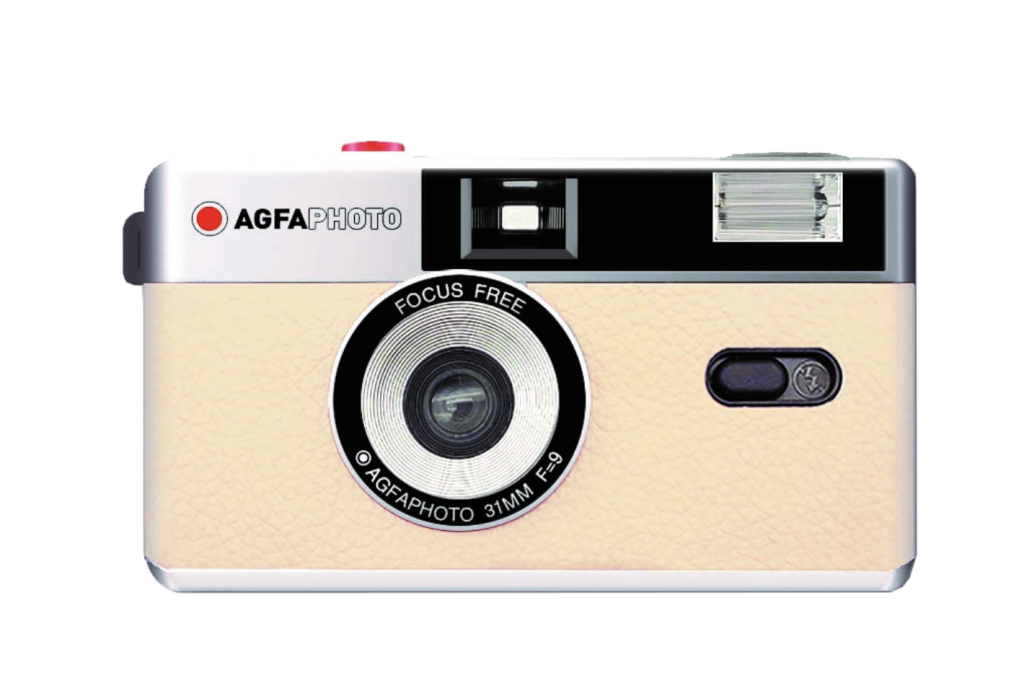
There’s something refreshing about a camera that meets you exactly where you are.The AgfaPhoto reusable 35mm leans into that ease. Approachable and intuitive, this easy-to-use camera is less about technical perfection; and more about experimenting and seeing what unfolds.
- Price: ± R850 – R1 100
- Where to buy:
- Orms (also online, delivers nationwide)
- Outdoorphoto
- Takealot
- CameraTek
- Audiolens
Availability reality:
This is one of the few cameras that still exists in retail circulation. Whether you’re in Joburg, Durban or Cape Town, you can realistically source one, stock permitting.
Best for:
Moments you don’t want to overthink: birthdays, dinners, beach days, house warmings, impromptu outings – you get the picture.
The deliberate eye: Olympus OM-1
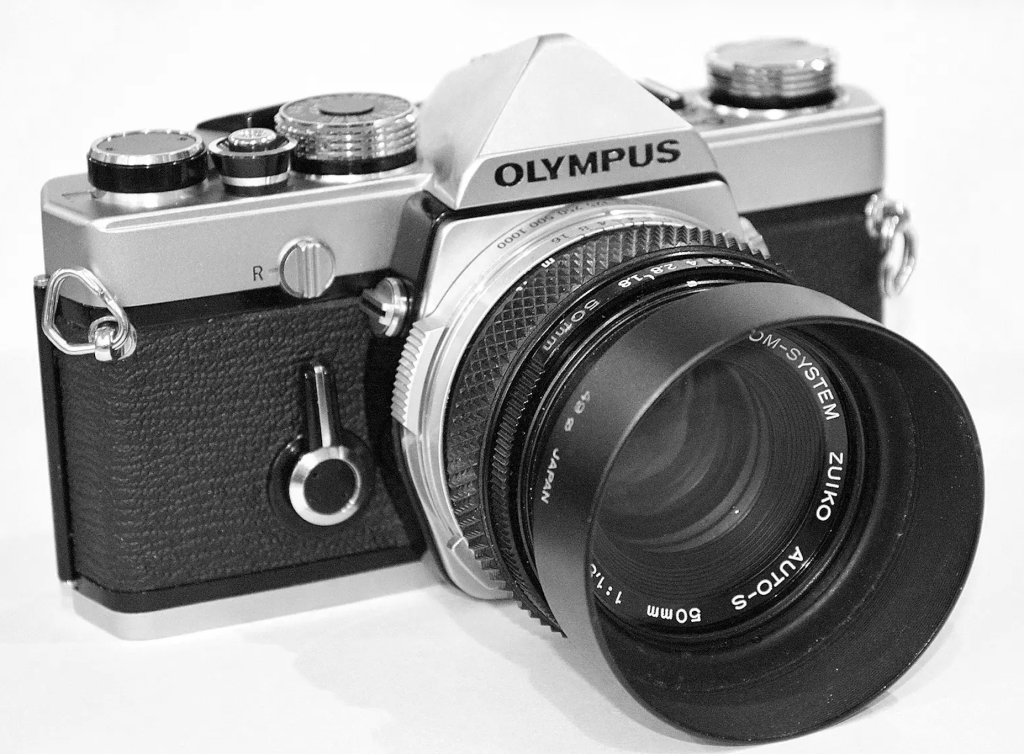
The Olympus OM-1 is where you move from point-and-shoot to full control.
It’s a fully manual camera, so you’ll need to set your own exposure, focus, and shutter speed, which means a bit more effort, but far more consistency once you get the hang of it.
It’s reliable, well-built, and a solid option if you want to understand exactly how your images are made.
- Price: ± R2000 – R6000 (standard second-hand) | up to R10 000+ (mint / serviced)
- Where to buy:
- Bob Shop
- CameraTek (second-hand drops)
- Orms (occasional used stock)
Availability reality:
This camera exists almost entirely in the second-hand ecosystem, which means condition matters as much as price. You’re buying something with history — ideally serviced and from a seller who knows what they’re holding.
A quick note on “new”:
The name lives on in the OM SYSTEM OM-1: a modern, fully digital camera retailing at around R40 000+. Same name, entirely different tool. If you’re after the film experience, the original OM-1 remains a resale market purchase.
Best for:
Portraits, editorial work, and anyone serious about learning exposure.
The ritualist: Mamiya RB67
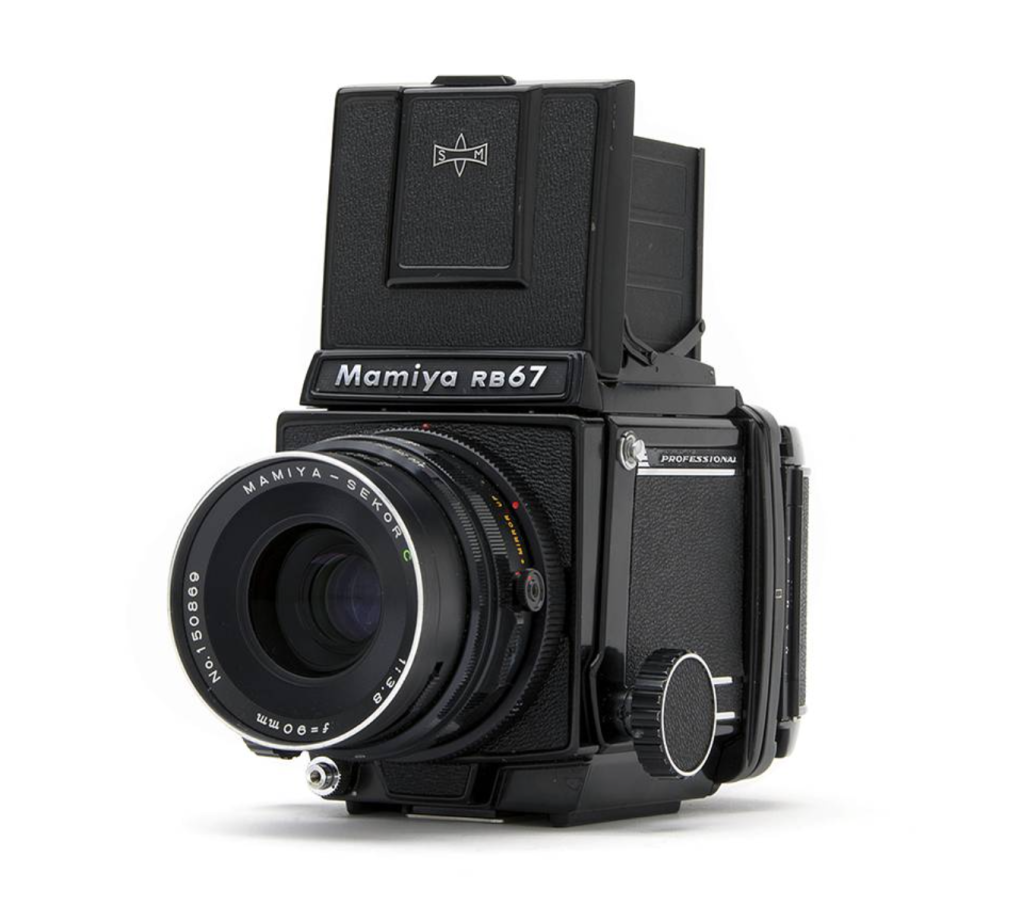
The Mamiya RB67 is built for slower, more intentional work. It’s a modular medium format system, typically used in studio settings, that produces large 6×7 negatives with noticeably higher detail and tonal range than 35mm.
It’s fully manual and significantly heavier than most cameras, so it’s less about portability and more about control. Once set up, though, it delivers consistent, high-quality results — particularly for portraiture and considered compositions where pace isn’t a constraint.
- Price: ± R10 000 – R20 000+ (depending on kit: body, lens, back)
- Where to buy:
- Bob Shop
- Private sellers / collector networks (Instagram, forums)
- eBay (import-heavy, duties apply)
Availability reality:
This isn’t something you’ll find on a retail shelf. Most units are bought second-hand, so availability depends on what’s currently in circulation, and condition, servicing as well as included parts will vary from one seller to the next.
Best for:
Fashion, fine art, and images that need to feel like objects, not content.
For a more accessible counterpart, try: Fujica GW690
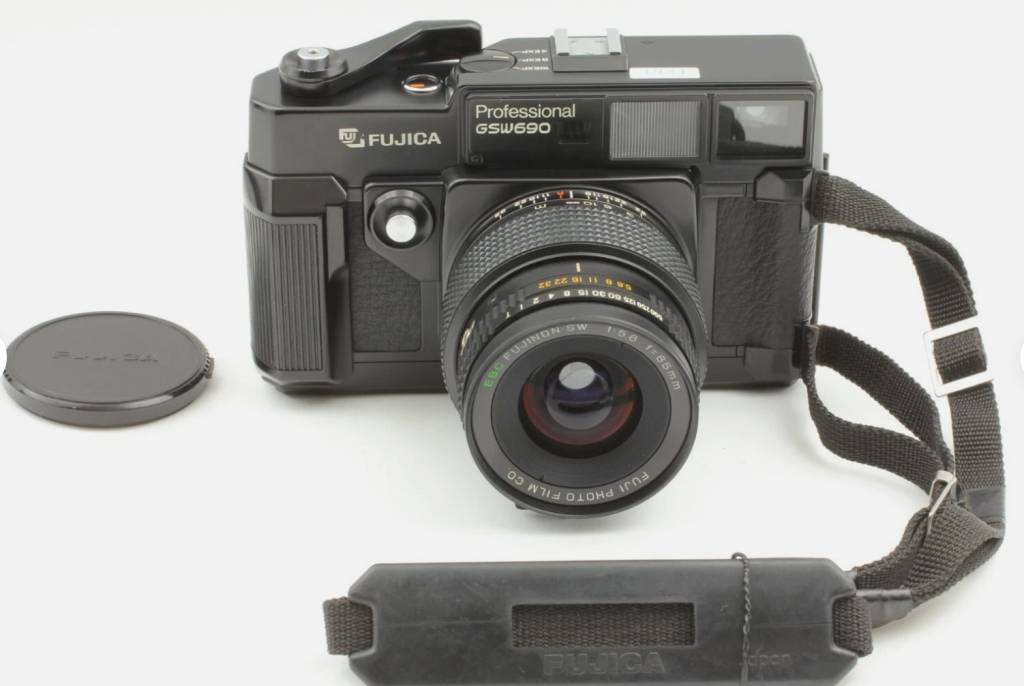
If the Mamiya is a studio monument, the Fujica GW690 is its more pragmatic cousin.
- Price: ± R8000 – R25000 (depending on condition and import)
- Where to buy:
- eBay (primary)
- Local resellers and photography communities
- Occasional listings on Bob Shop
It shoots enormous 6×9 negatives — among the largest you can get without stepping into large format, while remaining comparatively portable.
Availability reality:
Still niche, but often easier to live with than the RB67. Fewer components, fewer variables.
Best for:
Editorial, landscape, and photographers who want medium format without full ritual.
Also read
Apple’s double launch: Should you upgrade to the iPhone 18 Pro now, or wait for the Duo?
Gerda Engelbrecht Apple has shaken up its traditional September release schedule, delivering not one but two distinct flagship experiences: the photog...
The art of decanting: The smart way to serve wine at its best
Gerda Engelbrecht We tested a temperature-controlled decanter from Solenco and it solved one of wine service’s most annoying problems. If you’ve e...
I tested the Garmin Edge 1050 over 230 km (and 17 and a half hours) and this is why I love it…
How the Garmin Edge 1050 (a.k.a.