



Pet food: Decipher the labels
Finding the best food is vital to your pet’s health – but deciphering pet-food labels can be confusing. Here’s help!
There’s a bewildering array of pet foods available in supermarkets and vet shops. So how do you make an informed decision – and one that suits your budget?
The Pet Food Industry Association of Southern Africa (PFI) has compiled a checklist for consumers wanting to understand a pet-food label. Legally the nutritional values contained in the food must be outlined on the packaging.
- The amount of crude protein, moisture, fat, fibre and ash must be displayed.
- Nutrients that are often displayed but are optional include calcium, phosphorus and taurine.
- Ingredients in their macro format must be declared on packaging, including cereals, vegetable derivatives, meat derivatives, minerals and vitamins.
- Feeding guidelines must be included on the label and it’s critical you follow them to ensure your pet is being fed the right quantity of food. These guidelines are aligned to the food’s makeup and are based on the animal’s weight, age and sometimes breed.
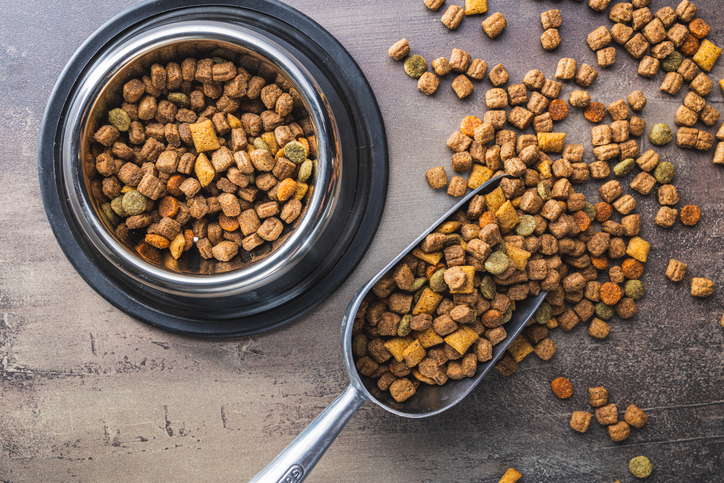
Sometimes less is more
The full recommended daily amount can be split into two or three meals a day. Most premium brands have a higher fat and protein level so they provide more nutrition per 100 g, which means meal portions are generally smaller. When calculating how economical a brand of food is, remember to consider the size of the bag or tin, the cost per kilogram and the quantity you’ll need to feed your pet at each meal.
- The best-before date is a guarantee of quality up to a certain date and provides an indication of how old the product is. After this date the product might not have the nutritional value advertised.
- The packaging must describe the type of food inside (dry, semi-moist, canned or frozen) and whether it’s nutritionally complete or complementary. Complete foods satisfy all your pet’s nutritional requirements while “complementary” indicates it should be fed in conjunction with additional food or supplements, or should be fed only for a reduced period – for example, treats.
- Health claims such as a cure for disease shouldn’t be included on the label, although some foods are designed to help in the management of certain health conditions and are registered prescription foods for this purpose.
- PFI membership isn’t mandatory but it does indicate a brand’s commitment to producing safe, quality food made with your pet’s wellbeing as its main concern. You can confirm membership on the PFI website (pfisa.co.za).
Also read

Ticks and fleas are killing your pets – and are dangerous for your family
If you think ticks and fleas are just an itchy nuisance, think again.

Your dog is not naughty – He’s just bored, and this inexpensive tool can fix it
Coming home to chaos isn’t fun – chewed shoes, destroyed cushions, and a dog who looks guilty the second you walk through the door.

Genius or Goofball? Test Your Dog's IQ in Minutes
We like to brag about how clever our pets are – but how intelligent are they really?