



Top tip! These rubber tips are tip-top for Nordic walkers
Whether you’re a regular hiker or want to try Nordic walking, these inexpensive rubber tips will make a huge difference.
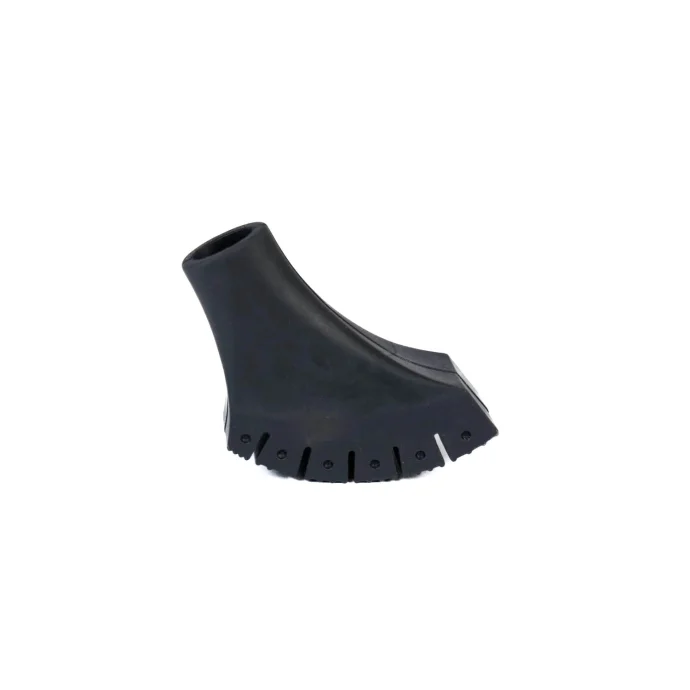
Have you noticed the distinctive shape on the Nordic walking poles? These boot-shaped rubber tips used are commonly called “paws” or “booties,” and are technically known as rubber ferrules.
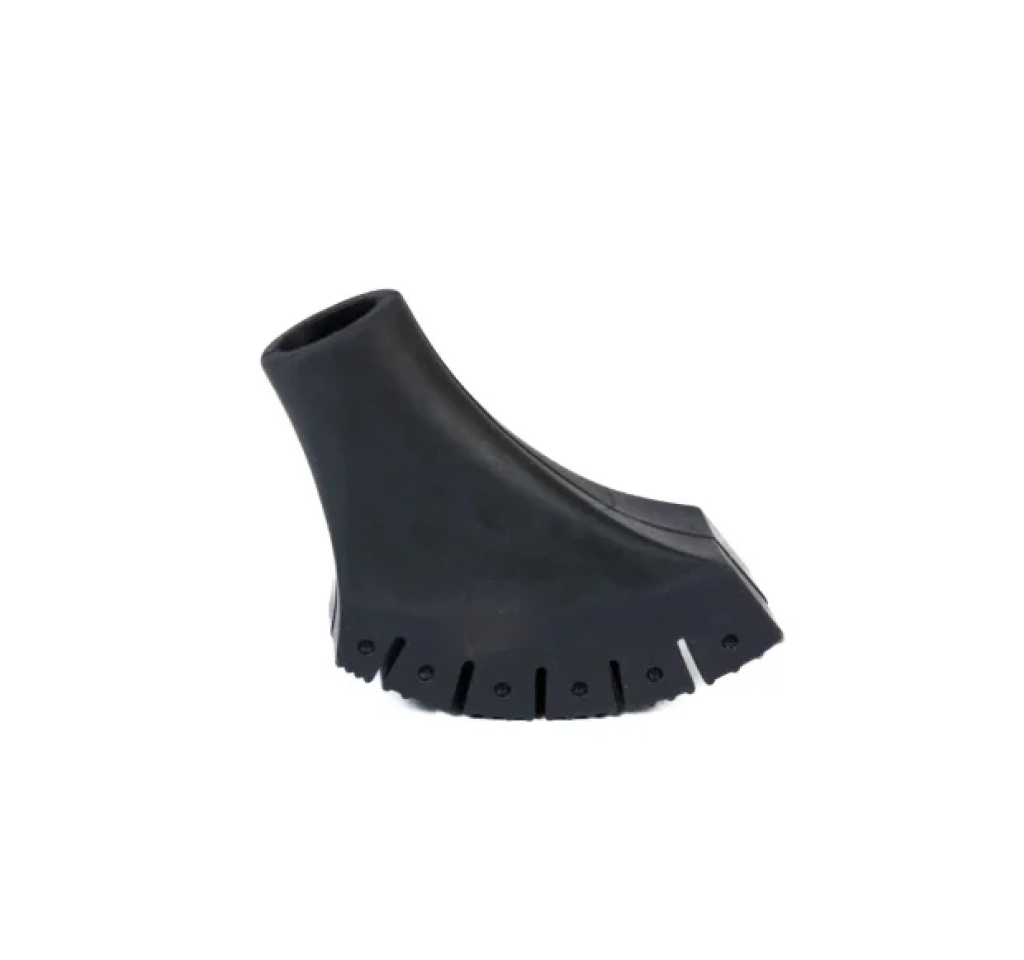
These angled rubber attachments aren’t just decorative – they’re specifically engineered for the biomechanics of Nordic walking. The boot or paw shape is angled rather than round, designed to match the natural angle of the pole strike when you plant it behind you and push off. This angled design provides optimal grip and traction on hard surfaces like pavement, sidewalks, and indoor tracks, preventing the pole from slipping backward and allowing you to effectively push yourself forward to engage your upper body muscles. The paws also serve as shock absorbers to reduce impact on your joints, dampen noise on hard surfaces, and protect the metal carbide tip underneath, which you’d expose when walking on softer terrain like dirt trails.
If you’re curious about trying Nordic walking but can’t immediately find or afford dedicated Nordic walking poles, you can start by adding these paws to your regular hiking poles as a partial solution. However, it’s important to understand that while the paws will give you the right angled rubber tips for pavement grip and propulsion, you’ll still be missing a crucial component: the specialized glove-like strap system. Nordic walking straps are designed to attach securely to your hand so you can open your palm and release your grip on the pole as it swings behind you, then naturally re-grip it as it comes forward. This release-and-regrip motion is fundamental to proper Nordic walking technique and engages your upper body muscles effectively. Regular hiking pole straps are just simple loops meant to prevent you from dropping the pole and don’t facilitate this essential movement. That said, using paws on adjustable hiking poles (set to the correct length) can give you a reasonable “trial run” to see if you enjoy the activity before investing in dedicated equipment, even though you won’t get the full biomechanical benefit.
Toes to the back
When attaching paws to your poles, orientation is critical: the “toes” or angled part of the paw must point backwards, away from you. This ensures that when you plant the pole behind you and push off during the Nordic walking stride, the angled surface makes maximum contact with the ground, providing optimal grip and traction. If you put them on backwards with the toes pointing forward, the angled surface won’t make proper contact with the ground, you’ll lose grip, and the whole biomechanical advantage of the design will be lost. Getting this simple detail right makes all the difference in experiencing the propulsive, full-body workout that Nordic walking is designed to deliver.
You can buy these tips in South at First Ascent or Outdoor Warehouse, currently retailing for R59 each.
Also read
The 37.5 fabric is a game-changer for more than just athletes
Gerda Engelbrecht Whether you’re pushing through a HIIT session, tackling weekend trails, or managing the unpredictable temperature swings of menopa...

Pieter-Steph’s 100th Test commemorated with special jersey and cap
Cape Union Mart celebrates Pieter-Steph du Toit’s 100th Bok Test with a special jersey and cap.

The Canon PowerShot V1 is a lot of camera for not a lot of money
Gerda Engelbrecht Released in April 2025, the Canon PowerShot V1 might not be the newest camera on the market, but with current discounts making it mo...