


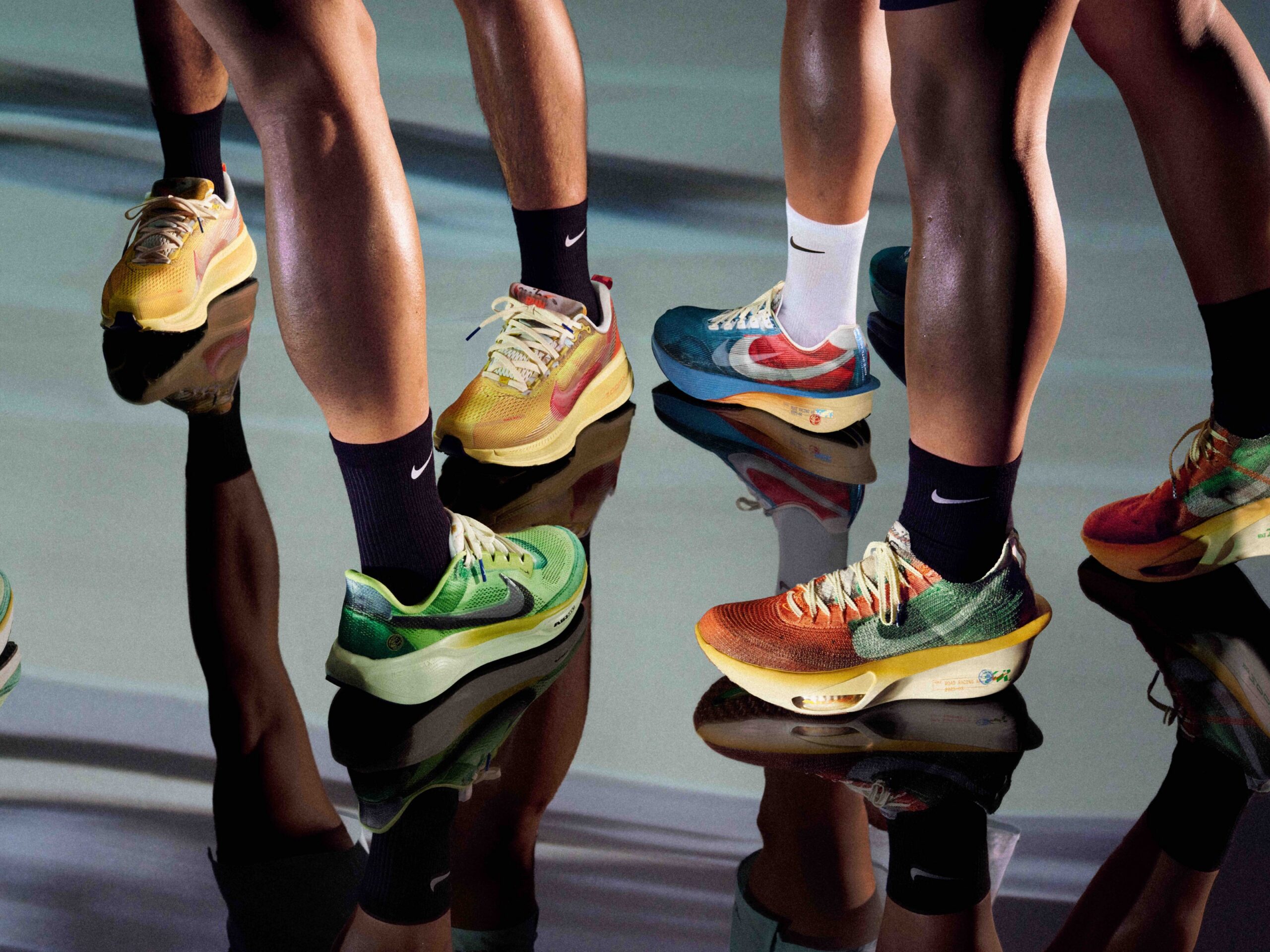
Would you benefit from a ‘super shoe’ . . . maybe
When Nike’s Vaporfly first stormed onto the marathon scene in 2017, promises of faster times and effortless speed captured runners’ imaginations worldwide. The carbon-plated “super shoe” revolution was born, with every major brand scrambling to develop their own version of this game-changing technology. But several years into the carbon plate era, the science is revealing a more nuanced story about who benefits from these expensive pieces of kit.
The Science Behind the Hype
Carbon-plated running shoes combine three key technologies: a rigid carbon fibre plate, thick responsive midsole foam, and aggressive rocker geometry. This combination creates what researchers call increased “longitudinal bending stiffness” – essentially making the shoe work like a spring-loaded lever.
Studies published in 2024 in Nature Scientific Reports and Sports Engineering reveal the biomechanical magic happening inside these shoes. The carbon plate alters how your foot and ankle joints work, reducing the amount of muscle shortening in the calf muscle and allowing the Achilles tendon to store and return more energy with each step.
Dr Sarah Thompson, a biomechanics researcher at the University of Colorado, explains: “The plate essentially changes the lever arm of your foot, reducing the work your muscles need to do to propel you forward.”
The numbers are compelling: studies consistently show a 3-4% improvement in running economy across various runner types. That translates to meaningful time savings – potentially 6-8 minutes off a marathon for a 3-hour runner.
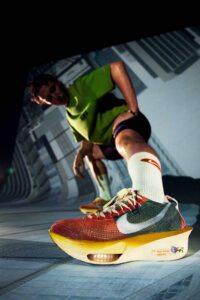
The Great Pace Divide
Here’s where the story gets interesting – and where marketing claims meet scientific reality.
Will Peter from Pretoria benefit from this at his weekly club run? Not necessarily. Whilst carbon plates provide measurable benefits across pace ranges, the practical advantages are heavily skewed towards faster runners. Research published in 2024 reveals some surprising findings about recreational runners:
- Runners maintaining 7-8 minutes per kilometre pace see minimal real-world benefits on flat surfaces
- On inclines, carbon plates may reduce efficiency for recreational runners
- The technology is most effective when running at threshold pace or faster
“The energy savings are there for everyone,” notes Dr Mark Rodriguez, a sports scientist who has studied super shoe technology extensively, “but the translation to meaningful performance gains requires a certain baseline speed and running economy.”
Who Should Invest in Carbon Plates?
The latest evidence suggests carbon-plated shoes provide the most value for:
Elite and Competitive Runners:
*Sub-3:00 marathoners and equivalent pace runners
*Athletes regularly training at threshold or VO2 max intensities
*Runners competing in flat road races
Recreational Runners Who Benefit:
*Those pursuing aggressive time goals (trying to break 20 minutes for 5K, 40 minutes for 10K)
*Runners who train consistently at faster paces
*Athletes comfortable spending premium money for marginal gains
Who Should Skip Them:
*Trail runners tackling significant elevation
*Recreational runners focused on fitness over speed
*Those running primarily at conversational pace
*Budget-conscious athletes who could better invest in coaching or basic kit
The Hidden Costs of Super Shoes
Beyond the hefty price tag (most carbon-plated shoes cost R3500 to R5000), there are hidden considerations:
Durability Issues:
*Lifespan of just 240-480 kilometres compared to 640-800km for traditional trainers
*Foam compression degrades performance significantly after 320 kilometres
*The carbon plate itself is durable, but the crucial foam technology isn’t
Training Adaptation:
*Using carbon plates exclusively can lead to muscle imbalances
*Different biomechanics may not translate to improved performance in regular shoes
*Sports scientists recommend rotating between shoe types
Smart Usage Strategy
Current expert consensus suggests a strategic approach to carbon-plated shoes:
For Racing:
*Reserve for goal races and time trials
*Use on flat, fast courses for maximum benefit
*Consider weather – wet conditions can negate advantages
For Training:
*Limit to speed work and tempo runs
*Avoid using for easy runs and recovery days
*Track mileage carefully due to shorter lifespan
Red Flags:
*Don’t expect them to fix poor training or running form
*Avoid for trail running or hilly courses
*Skip if you’re injury-prone – they change biomechanics

The Technology Evolution
The carbon plate arms race continues evolving at a rapid pace. Recent innovations have seen manufacturers experimenting with curved versus flat plate designs, with research showing that curved configurations can reduce forefoot pressure by up to 12% compared to their flat counterparts. Some brands are pushing boundaries further by exploring multi-plate systems, incorporating multiple smaller plates rather than a single full-length design to fine-tune energy return and stability characteristics. Meanwhile, foam technology advances are focusing on the holy grail of running shoe development: creating new materials that maintain exceptional energy return whilst significantly improving durability – addressing one of the primary criticisms of current super shoe technology.
However, emerging research is beginning to suggest that the midsole foam may be more critical than the plate itself for delivering performance benefits. This revelation could fundamentally reshape future shoe development priorities and pricing structures, potentially shifting the focus from expensive carbon fibre engineering to advanced polymer chemistry and foam architecture. As manufacturers continue to decode exactly which elements contribute most to the performance gains, we may see a new generation of shoes that deliver similar benefits through entirely different technological approaches.
The Verdict: Revolution or Evolution?
Carbon-plated running shoes represent genuine technological advancement, but they’re not quite the game-changer for everyday runners that people hoped. The benefits remain most pronounced for already-fast runners pursuing marginal gains on flat surfaces.
For the majority of recreational runners – those logging kilometres for fitness, health, and enjoyment – the investment is questionable. The same money spent on quality daily trainers, proper coaching, or consistent training would likely yield better results.
The bottom line: Carbon plates work, but they amplify existing speed rather than create it. They’re a tool for runners already operating at higher intensities, not a shortcut to effortless improvement for weekend warriors.
As the technology matures and prices potentially decrease, carbon plates may become more accessible. Until then, they remain what they’ve always been – an advantage for those already running fast enough to fully exploit their benefits.
The super shoe revolution hasn’t changed the fundamentals of running improvement: consistent training, proper recovery, and gradual progression remain the keys to running success. Carbon plates are simply the cherry on top for those already building a very solid training regime.
Sources:
Nature Scientific Reports – Carbon plate biomechanics research
Sports Engineering Journal – Plate curvature studies
Frontiers in Sports and Active Living – Metabolic effects research
Running Warehouse – Performance analysis
Strava Stories – Training frequency guidelines
Also read
The 37.5 fabric is a game-changer for more than just athletes
Gerda Engelbrecht Whether you’re pushing through a HIIT session, tackling weekend trails, or managing the unpredictable temperature swings of menopa...
Jockey turns 150 – and the legend reinvents the undie drawer
What makes a company survive and thrive for 150 years?
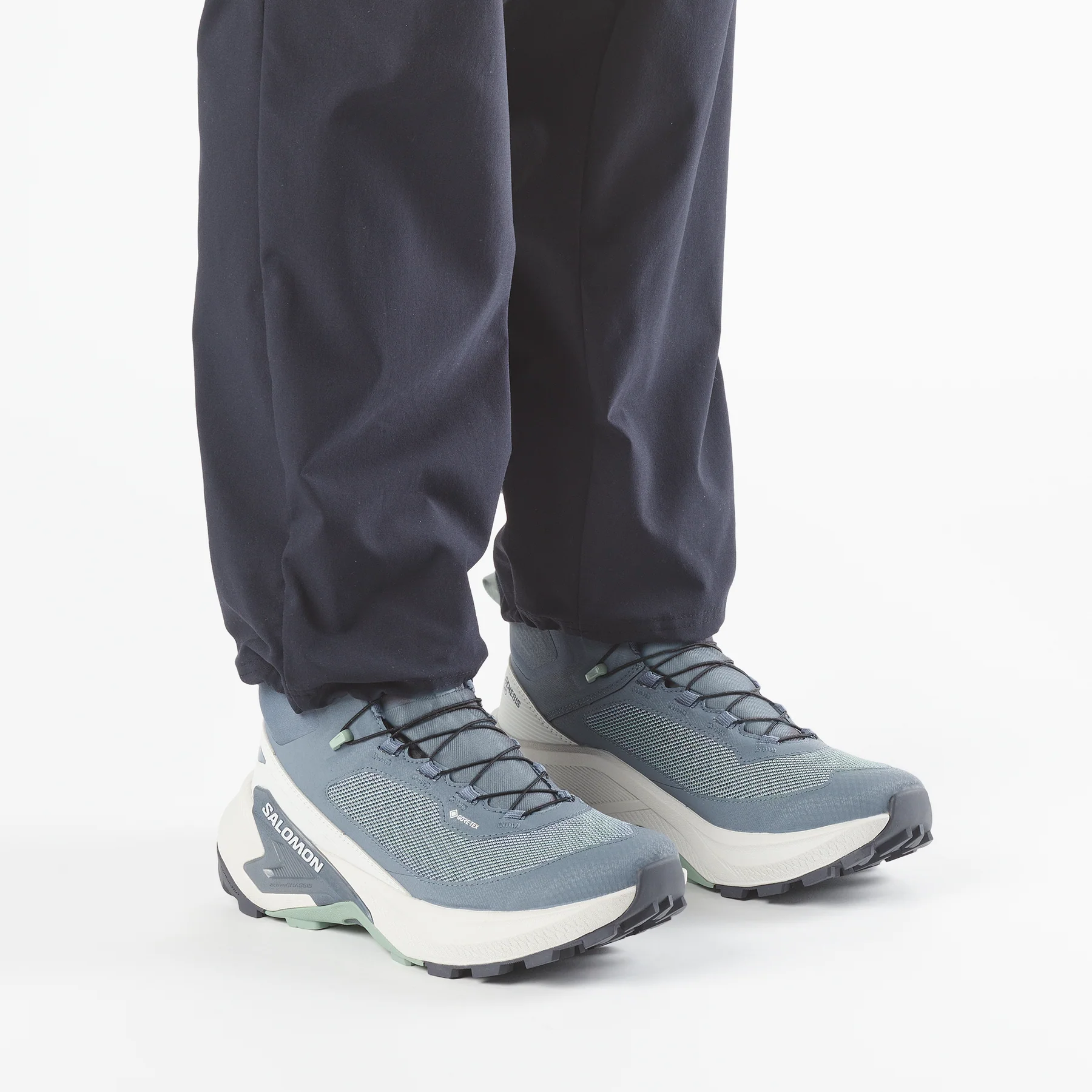
Gore-Tex is back – and these two Salomon shoes prove it
Gore-Tex is back in fashion, and two new models from Salomon prove why you can’t ignore it when trail-running or hiking.