

Behind every great personal library is a woman with a little shelf awareness
There are as many ways to read as there are ways to be a woman. This Women’s Month, these are the books that deserve a place on every bookshelf, whatever chapter of life you’re in.
There are people who enjoy reading, and there are people who like collecting books for the purpose of curating a home library of classics. As someone who identifies as both, I’ll be the first to tell you that this Women’s Month selection spans either end of the spectrum.
Gone are the days when reading felt like a hobby reserved only for the bookish few, just as Women’s Month reading lists have thankfully moved beyond reducing women to a binary of feminist Girlboss or well… slags (whatever that means in 2026). We’re far more interesting than that. There are ambitious women and women happily indulging their romantic fantasies, fiction devotees who’ll read anything with beautiful prose, Jane Austen purists, Beyoncé feminists, food lovers, history buffs and rebellious women who have no interest in following the script that says success looks like a corporate job, a heterosexual marriage and two children before 35.
This selection honours all of them with fiction, memoir, food writing, biography and first-person accounts because the best books, much like the people reading them, refuse to fit neatly into one category.
For the ones who question everything
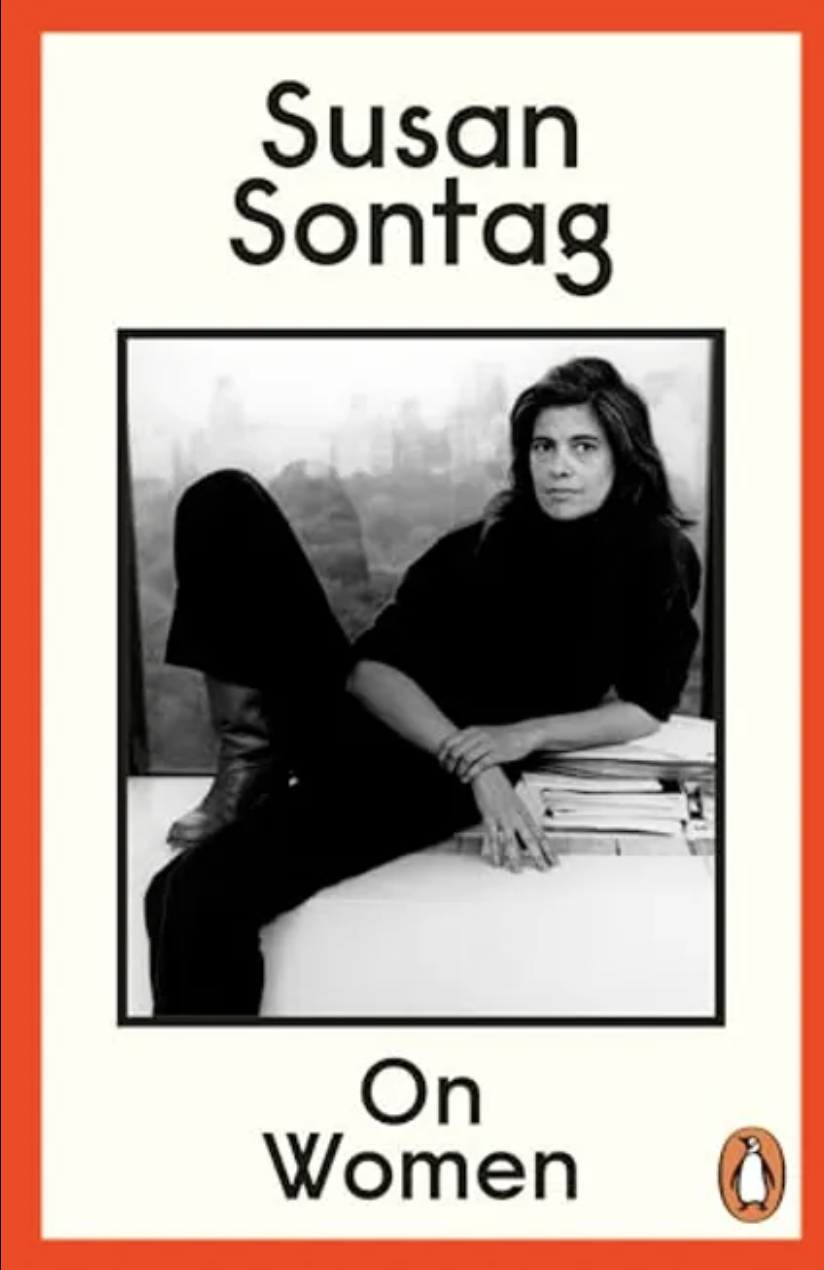
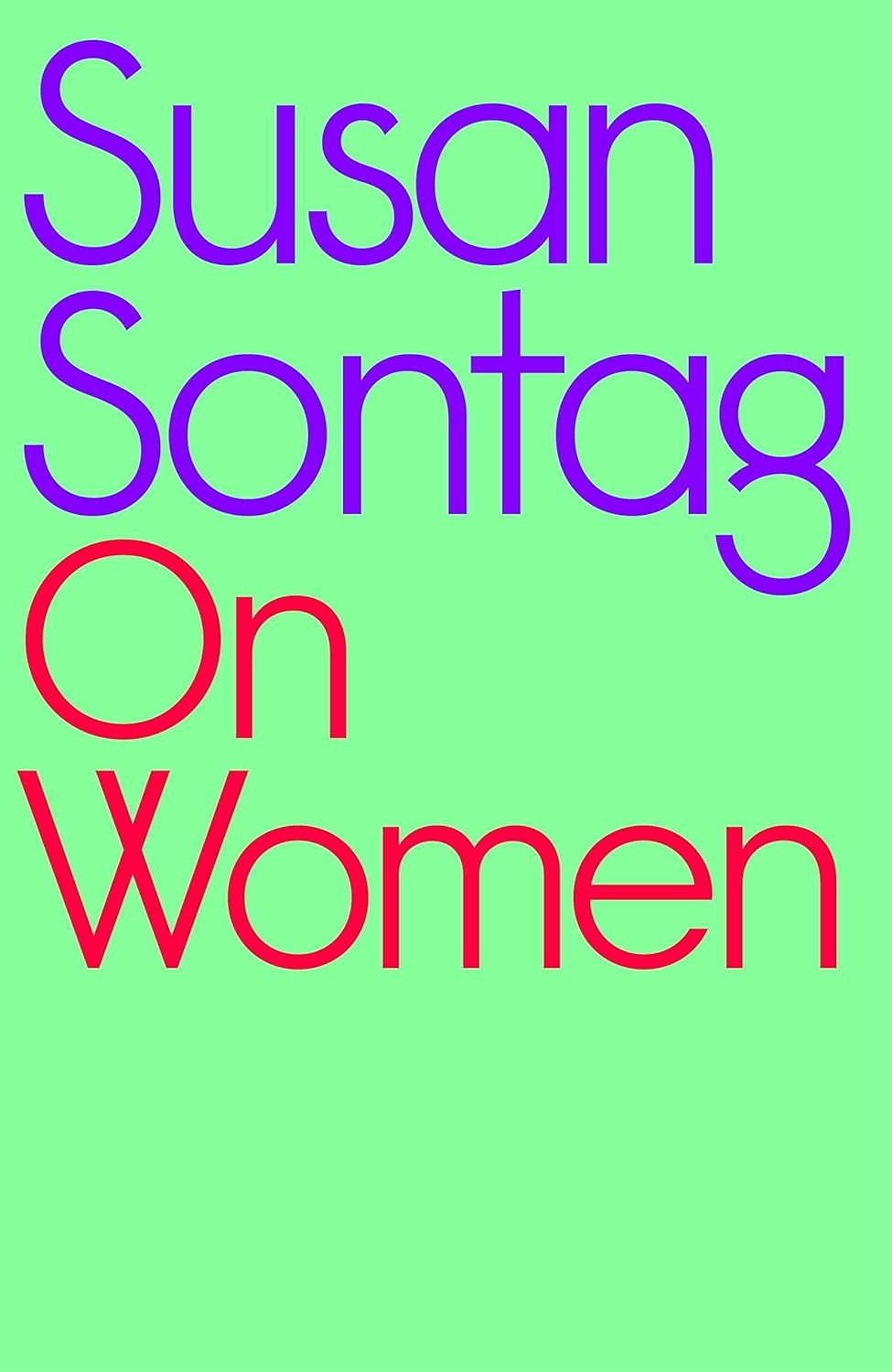
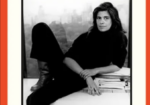
On Women by Susan Sontag
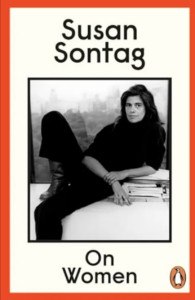
Susan Sontag has been on my bookshelf ever since I read Regarding the Pain of Others. Her writing has a way of making you reconsider things you’d never really questioned before. As a journalist, I found myself particularly drawn to her reflections on the ethics of photography and the uncomfortable questions she asks about documenting conflict, witnessing trauma, and the fine line between bearing witness and voyeurism. It’s one of those books that subtly changes the way we look at the images we see on the news every day.
If you’re more fashion than philosophy, though, chances are you’ve encountered Susan Sontag in a completely different context. The 2019 Met Gala’s “Camp: Notes on Fashion” dress code —still one of the event’s most referenced and best-executed themes— was inspired by her seminal 1964 essay Notes on “Camp”. Whether you realised it or not, you’ve probably engaged with her ideas before.
On Women brings together many of Sontag’s essays from the 1970s, exploring beauty, ageing, femininity and the expectations society places on women with the same sharp, endlessly curious perspective. If Regarding the Pain of Others made me think differently about journalism, On Women feels like the natural next step, offering observations that are just as relevant today as they were when they were first written.
Shop:
For the woman who likes her fiction a little bit feral
Slags by Emma Jane Unsworth
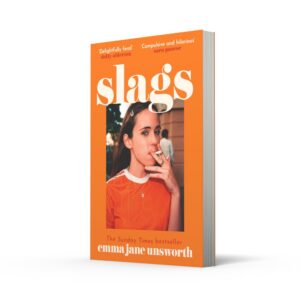
If there was one novel destined to become this year’s group chat recommendation, it’s Slags. Emma Jane Unsworth’s latest follows two estranged sisters on a chaotic road trip through Scotland, using their reunion to unpack everything from family dynamics, sexual desire to addiction and middle age. It’s unapologetically British in its humour —dry, self-deprecating and delightfully absurd— finding comedy in moments that might otherwise collapse under their own emotional weight. It’s no surprise early reviews have drawn comparisons to hit TV series Fleabag, although Slags ultimately carves out a voice that’s entirely its own, proving that some of the funniest stories are also the most emotionally perceptive.
Shop:
For those drawn to beautifully complicated memoirs
Mother Mary Comes to Me by Arundhati Roy
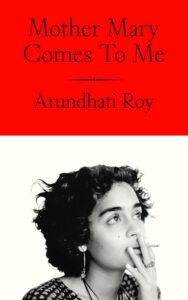
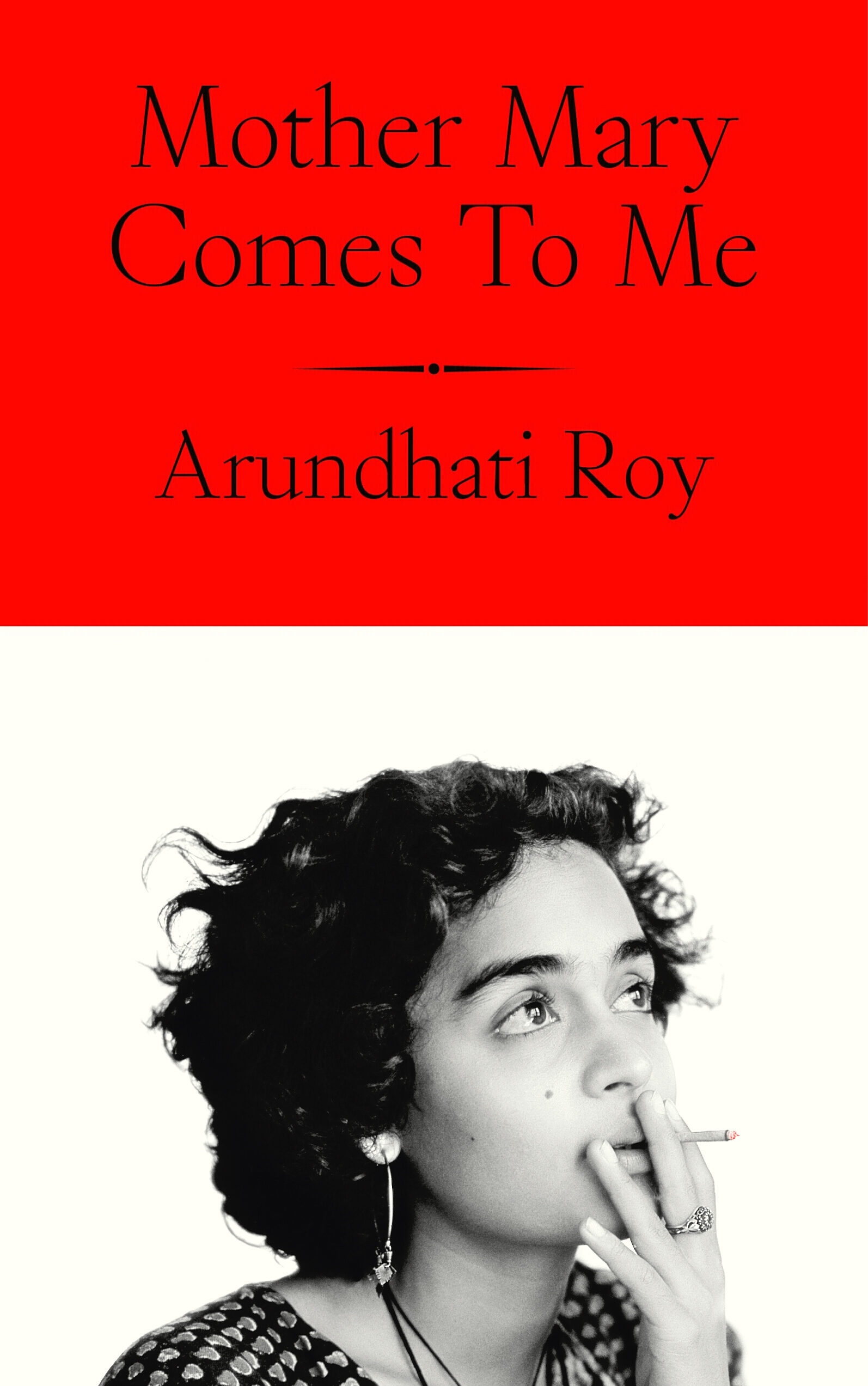
The cover of Mother Mary Comes to Me makes a statement of its own before you’ve even turned the first page. A young Arundhati Roy appears on it, cigarette in hand, looking away from the camera. I’m not a smoker, but there’s something undeniably liberating about the image; it’s refreshing, it’s freeing, and it’s subversive without trying to be provocative.
I’m still making my way through the memoir, but Arundhati Roy had my attention almost immediately. She writes about the mother she ran away from at 18, “not because I didn’t love her, but in order to be able to continue to love her.” This is one of those sentences that made me doggy-ear the page because it captures a contradiction so many people recognise but rarely articulate. She describes her mother as both her “gangster” and the source of deep hurt, holding love, resentment and empathy together without trying to resolve them into something neat.
Roy approaches the mother wound with wit, piercing intelligence and remarkable empathy, allowing seemingly opposing emotions to coexist on each page. She reminds us that the people who shape us most are rarely all good or all bad, and that making peace with someone doesn’t always mean making sense of them.
Shop:
For avid homegrown literature collectors
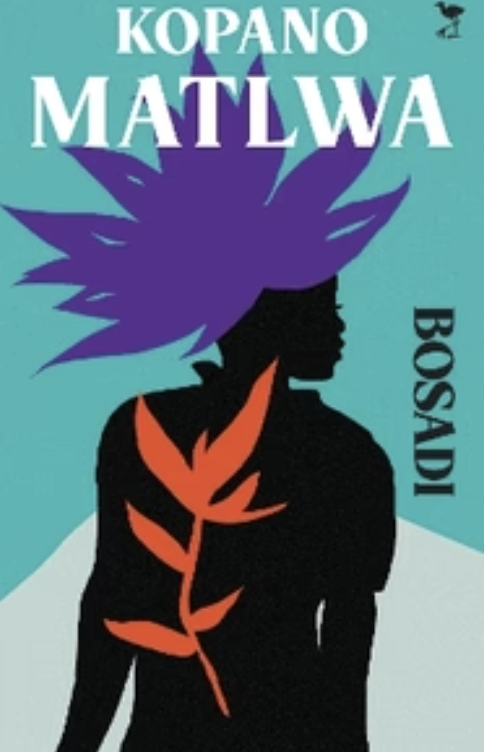
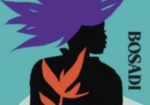
Bosadi by Kopano Matlwa
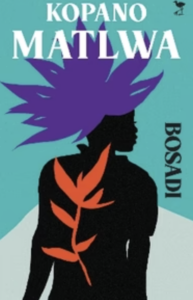
Long before Bosadi, there was Coconut. Like so many South Africans, I read Kopano Matlwa’s debut novel at the height of its popularity, laughing at its biting humour while also seeing myself in a story that unpacked a label I’d spent years trying to outrun. “Coconut” was a moniker assigned to me more than once growing up, and Kopano’s novel challenged me to look beyond the insult and consider the far more complicated questions of identity, belonging and the impossible standards young Black South Africans are so often expected to navigate.
That ability to interrogate the nuances of modern South African life has made Matlwa one of our most important literary voices. Told through the alternating voices of Naledi and Aunty, Bosadi follows a successful woman trapped in an increasingly violent, child-free marriage and the Zimbabwean domestic worker who bears witness to her slow unravelling while carrying the weight of her own sacrifices. Between them, the author explores grief, gender-based violence, migration, infertility, class and the impossible expectation that Black women should endure everything in silence.
What has always set Kopano Matlwa apart is her refusal to separate the personal from the political. She writes about homes rather than headlines, showing how abuse, loneliness and inequality shape everyday lives behind closed doors.
Shop:
ALSO READ: Nativechild proves that homegrown haircare deserves a place in your routine
For readers who believe home is an ingredient
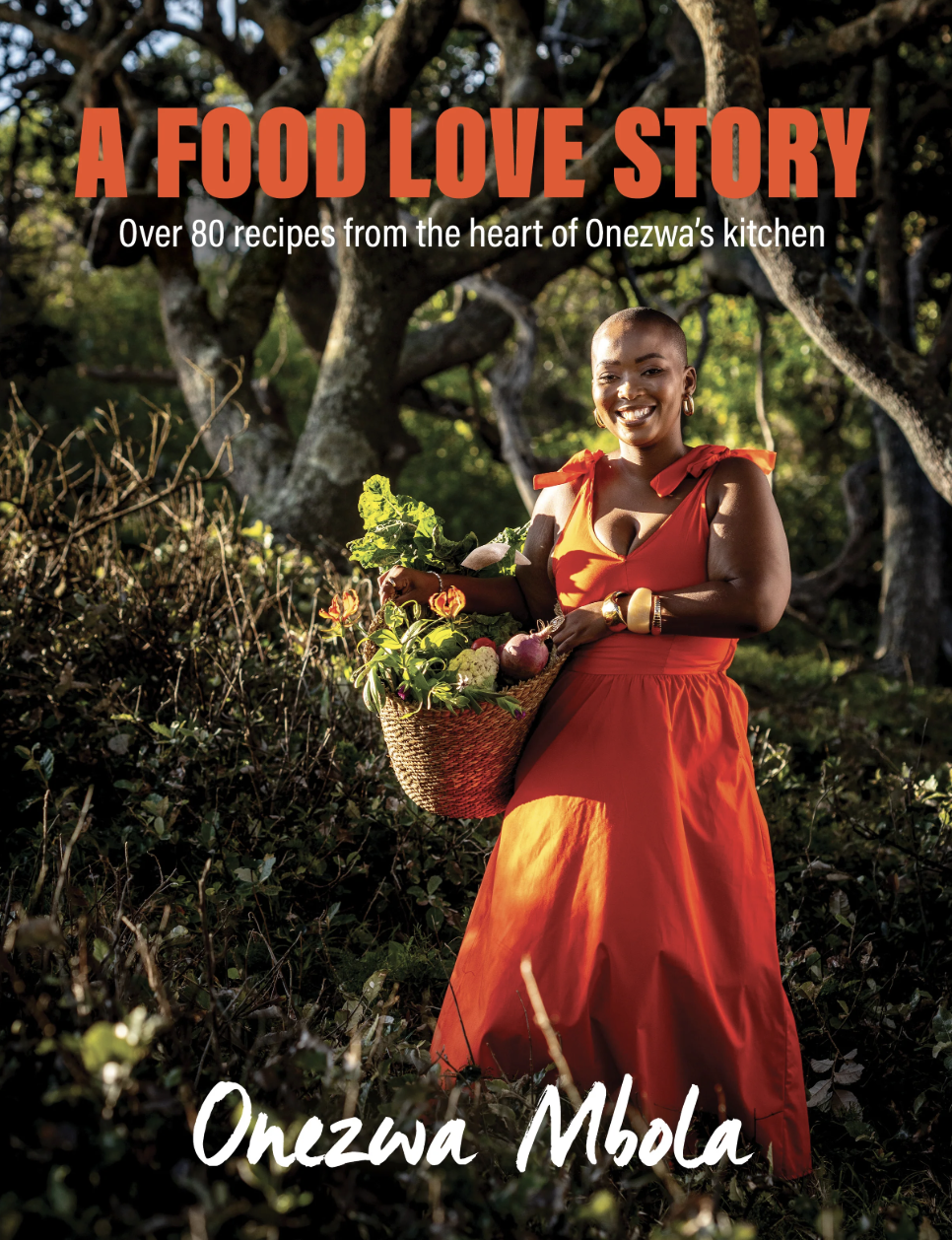
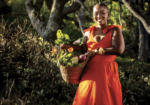
A Food Love Story by Onezwa Mbola
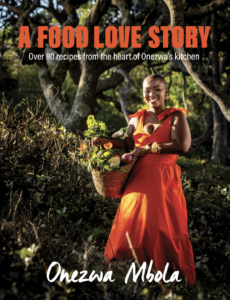
Onezwa Mbola begins almost every TikTok with the same introduction: “Hi, I’m Onezwa and I make meals using items that I’ve grown, raised or foraged.” It’s a simple sentence, but it encapsulates everything that has made her one of South Africa’s most distinctive culinary voices. Long before farm-to-table became marketing shorthand, Onezwa was documenting the rhythms of life in rural Eastern Cape, where vegetables are grown in the garden, livestock is raised at home, and mussels are harvested from the nearby shoreline. She’s even become affectionately known as “the girl who made salt” after showing millions of viewers how to make sea salt from scratch.
A Food Love Story is less a cookbook than a love letter to the place that shaped her. Part memoir and part recipe collection, it traces her upbringing in Willowvale, the grief of losing her mother and the traditions that continue to anchor her cooking. The recipes are almost incidental; what lingers is Onezwa Mbola’s belief that food is memory, heritage and community. In an era of algorithm-driven recipes and fleeting food trends, her approach feels deeply, unapologetically South African and intentionally slow.
Shop:
For anyone who loves an unsettling page-turner
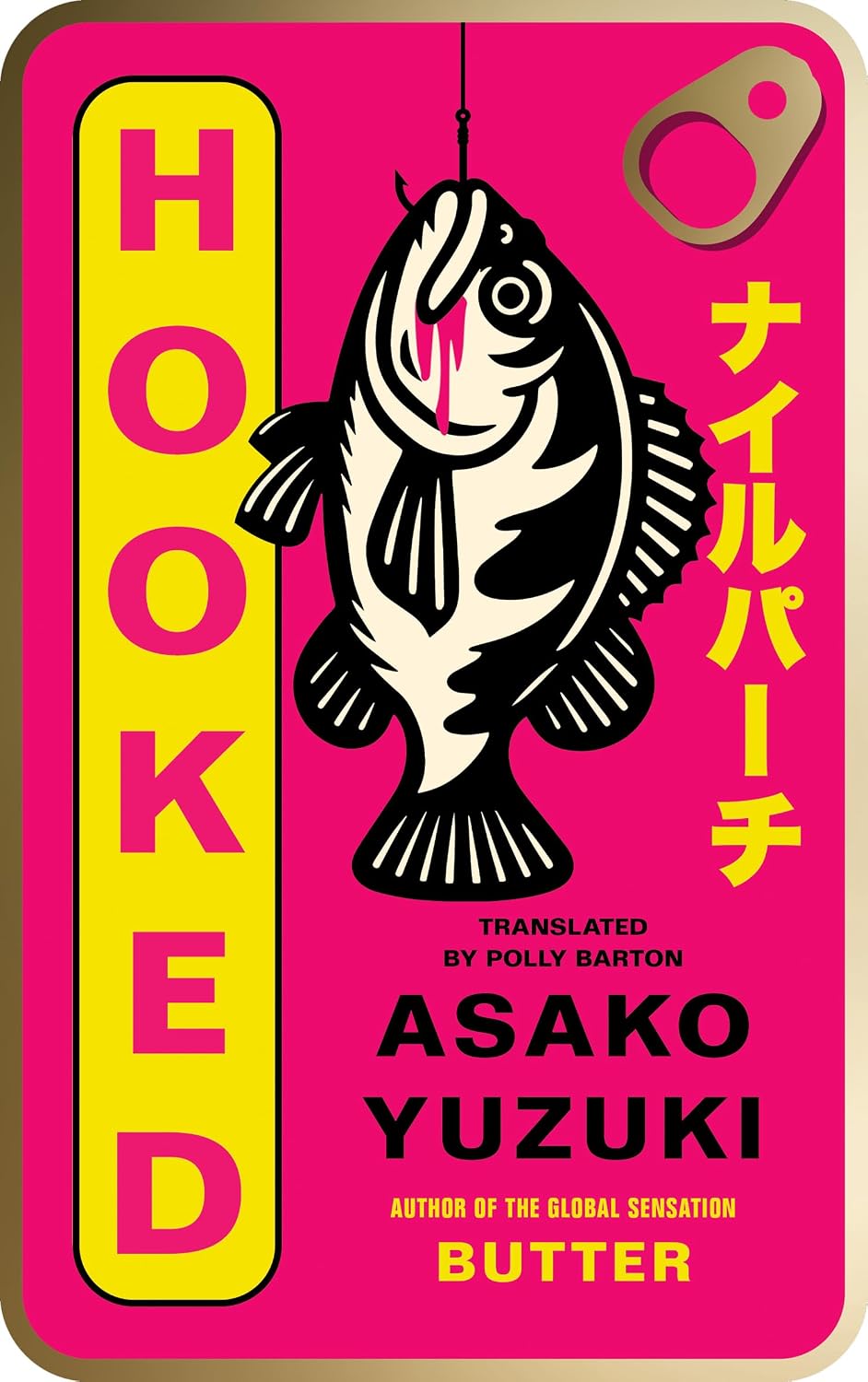
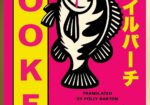
Hooked by Asako Yuzuki
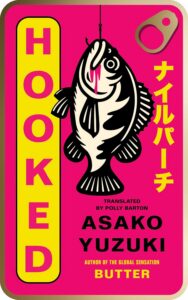
I’m currently reading Hooked, and at the risk of sounding cliché; it actually lives up to the title. I find myself planning my evenings around when I’ll have uninterrupted reading time. I am indeed hooked. This is why Asako Yuzuki is highly acclaimed as one of Japan’s most exciting contemporary writers.
After Butter became an international phenomenon, Hooked followed with another deeply psychological story about women, this time exploring friendship, obsession, the quiet ache of loneliness, and the ways women measure themselves against one another. At its centre is Eriko, an ambitious career woman who becomes captivated by Shoko, an unconventional lifestyle blogger whose online persona feels refreshingly at odds with the polished “trad wife” aesthetic that’s become so pervasive online. Shoko doesn’t pretend to have it all together, nor does she romanticise domestic perfection. Instead, she openly embraces idleness, shirks housework whenever she can, and approaches homemaking with an unbothered lack of performance. It’s exactly that refusal to conform that earns her a devoted following.
What begins as curiosity slowly unravels into something far more psychologically complex. If Butter examined appetite, Hooked turns its attention to the hunger for validation and belonging.
Shop:
For the women behind the women
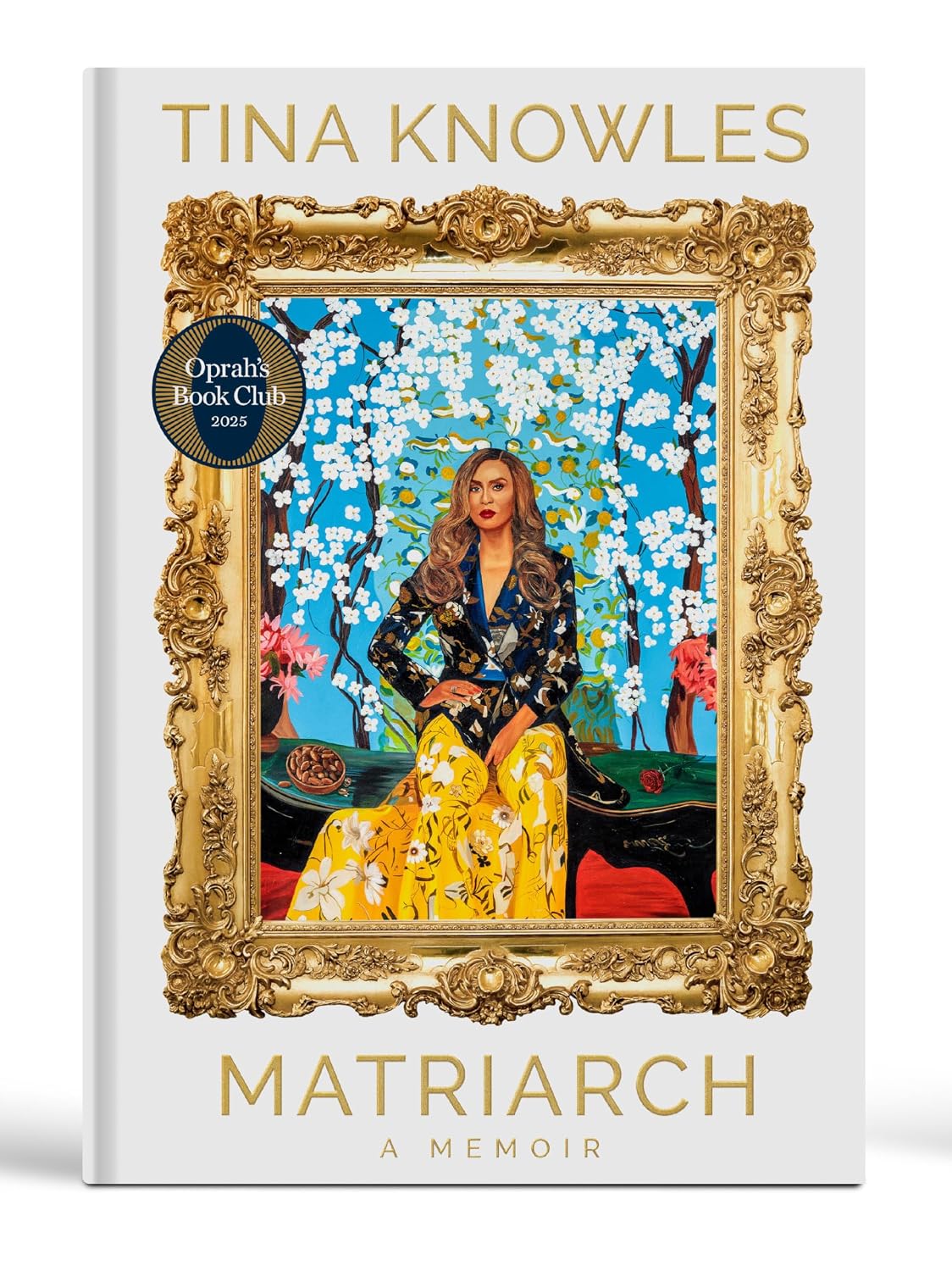
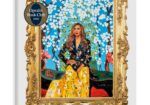
Matriarch by Tina Knowles
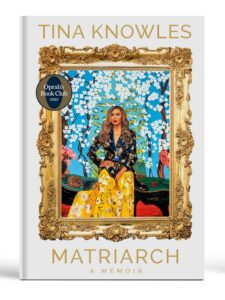
Before she was “Mother” to the BeyHive, Tina Knowles was simply a woman building a life of her own. It’s easy to reduce her story to being Beyoncé and Solange’s mom, but Matriarch reminds us that legacy rarely begins with the people who ultimately become famous. More often, it starts with the women who steadily make their success possible over decades.
Tina Knowles traces her journey from growing up in segregated Texas to becoming a businesswoman, fashion designer and the creative force behind some of Destiny’s Child’s most memorable looks. Along the way, she reflects on marriage, motherhood, entrepreneurship and the generations of women who shaped her long before the world knew her daughters’ names. While celebrity memoirs often trade on the pedestal of fame, Matriarch promises to be at its most compelling when it steps away from it, revealing a woman whose own story is every bit as fascinating as the empire she helped build.
Shop:
For reclaiming the women history forgot
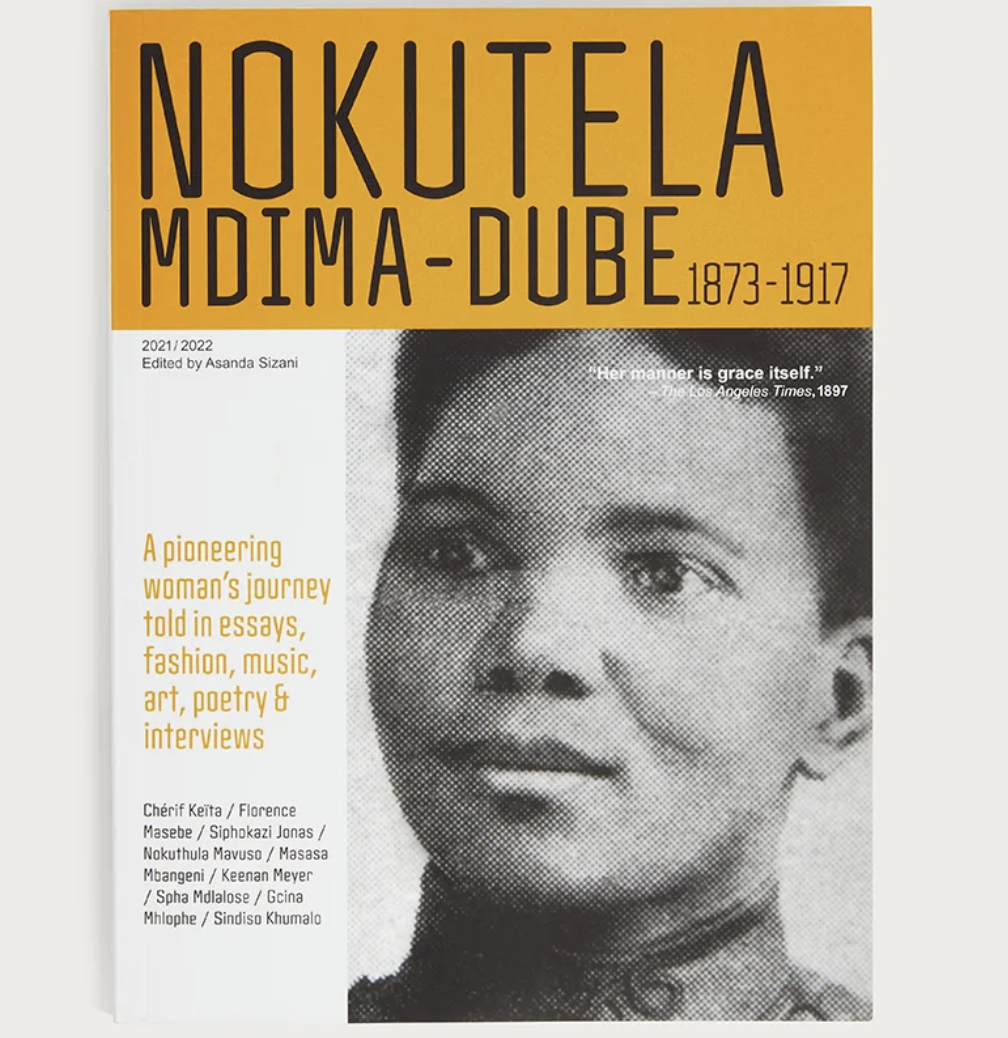
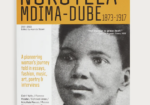
Nokutela Mdima-Dube, 1873–1917
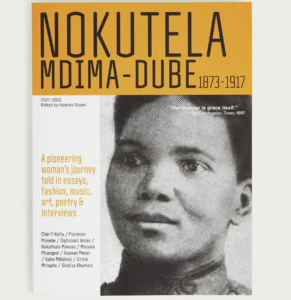
There are women whose names history remembers and those whose contributions slip through the cracks of the record. Nokutela Mdima-Dube was one of the latter. An educator, composer, linguist and pioneering intellectual, her influence on South African education, publishing and music far outweighed the space she has traditionally occupied in our history books.
Edited by one of our local media mavens Asanda Sizani, Nokutela Mdima-Dube, 1873–1917 arrives as less of a conventional biography and more like a long-overdue restoration. Bringing together essays, archival material, poetry and personal reflections from a range of contributors, the collection reconstructs the life of a woman whose legacy deserves far greater recognition. Asanda Sizani’s careful curation allows Nokutela’s story to emerge from multiple perspectives, creating a portrait that feels as richly layered as the woman herself.
If books have the power to preserve memory, this one is a reminder that they can also restore it.
Shop:
R198 at Merchants
For the OG “woman in STEM”
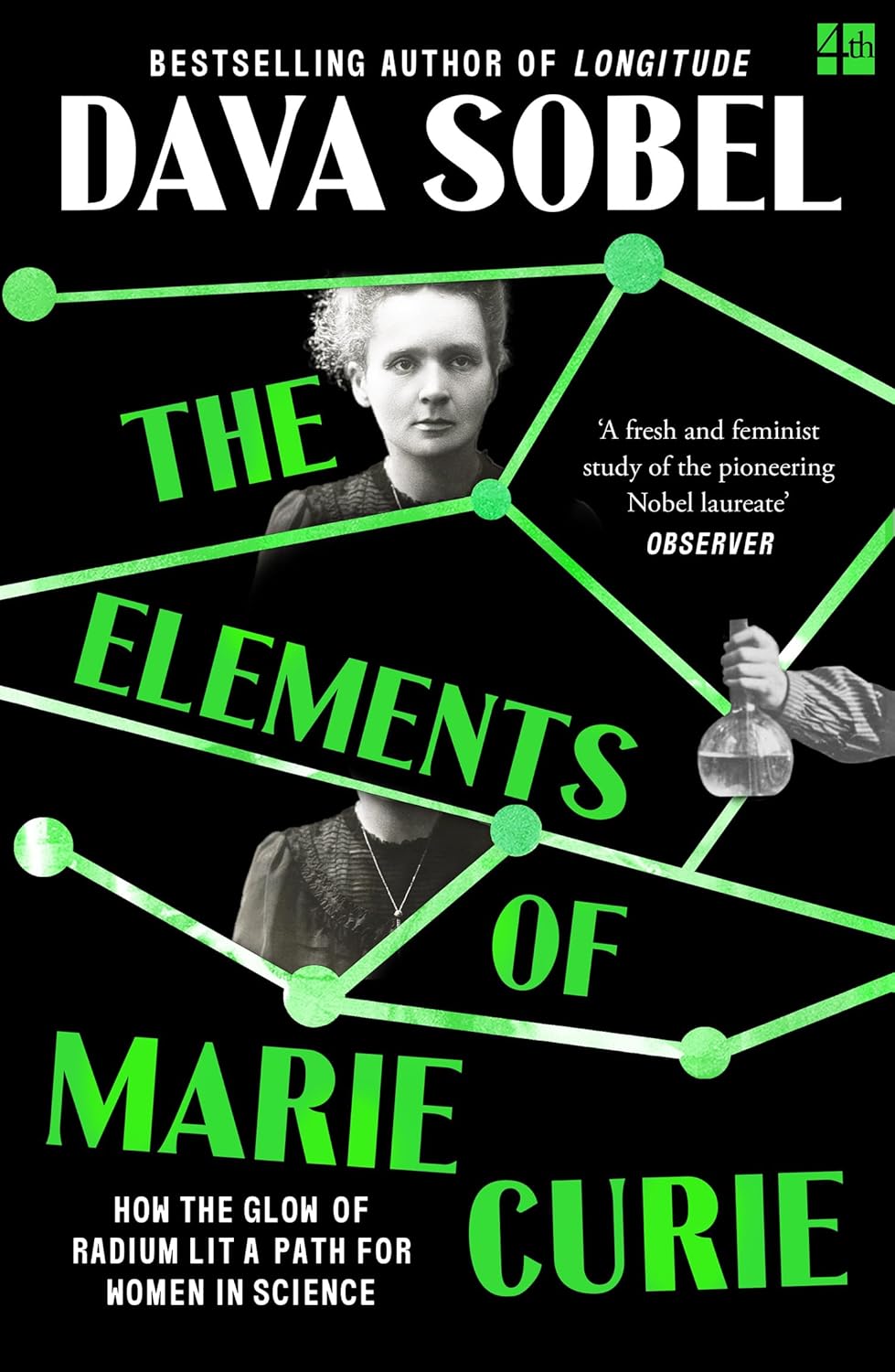
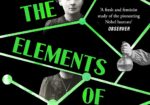
The Elements of Marie Curie by Dava Sobel
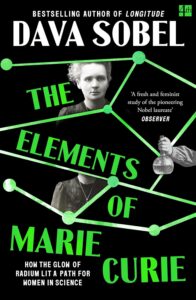
Marie Curie’s legacy is largely recognised as a handful of extraordinary firsts: the first woman to win a Nobel Prize, the first person to win two Nobels in different scientific fields and the scientist whose discoveries transformed modern medicine. It’s an impressive list, but it tells us very little about the woman herself.
The Elements of Marie Curie moves beyond the accolades to paint a portrait of someone whose relentless curiosity often came at a great personal cost. It explores her partnership with Pierre Curie, the grief that followed his death and her determination to continue her research in a world that rarely made room for women in science. While this isn’t a science book in the traditional sense, it is a fascinating study of what happens when brilliance collides with prejudice, public scrutiny and impossible expectations.
Shop:
For controlling your own destiny
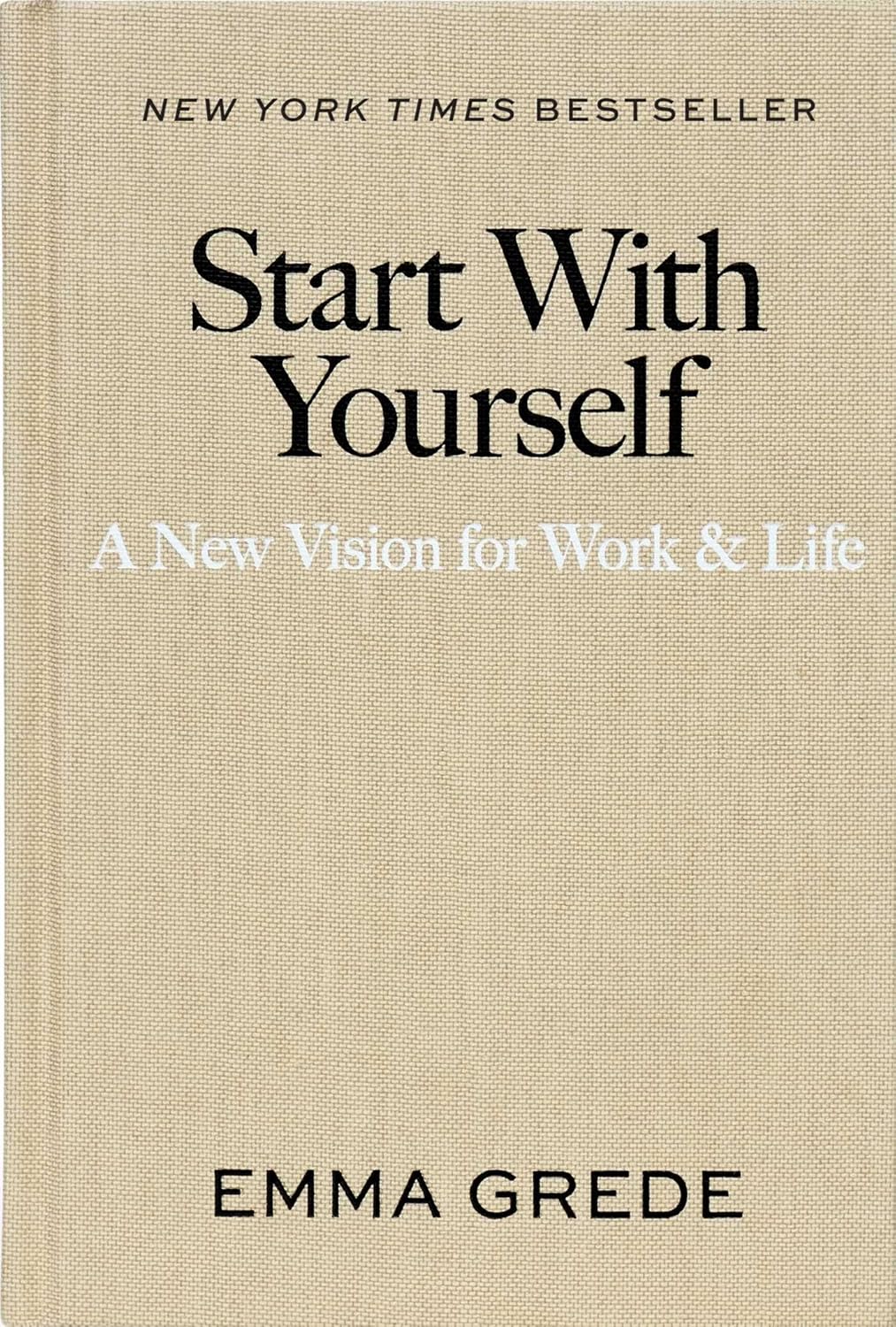
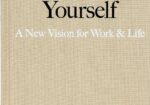
Start with Yourself by Emma Grede
I’ll admit that books by billionaires and self-made entrepreneurs don’t ever make it onto my bookshelf, especially during Women’s Month no less. I’ve always found the “girlboss” genre a little out of touch, often celebrating a version of success that’s relentlessly profit-driven while leaving very little room for rest, creativity, or careers that unfold gradually rather than through a succession of shiny accolades. There’s also a certain LinkedIn-ification to these narratives, where every pivot becomes a personal brand strategy, every setback is repackaged as a leadership lesson, and every milestone arrives polished enough for a carousel post. Apparently, nobody ever has an existential crisis, changes careers or wonders whether they’re even climbing the right ladder at all.
But one of the joys of reading is allowing yourself to be surprised. As I said at the beginning of this list, there are countless ways of being a woman, and that also means there are countless ways of defining success. Mine doesn’t have to look like Emma Grede’s for me to find value in her perspective.
I’ve watched at least four episodes of her Aspire with Emma Grede podcast on YouTube, and her conversation with Issa Rae, in particular, was enlightening. What I expected to be another polished conversation about “scaling businesses and building billion-dollar brands” turned out to be something more grounded. They spoke candidly about creative ownership, navigating self-doubt, making decisions with intention and creating work that reflects your values rather than simply chasing bigger titles or higher valuations. Emma came across as refreshingly self-aware, with far less interest in perpetuating the myth of effortless success than I had anticipated. At the end, Issa Rae shares a book recommendation that pretty much changed her life – The Courage to be Disliked – but that’s for another day.
Perhaps that’s why Start with Yourself has piqued my interest. My own career has evolved from journalism and editing into fashion brand strategy and marketing, and I’ve become just as interested in the thinking behind great brands as the products themselves. While I may never fully subscribe to the “girlboss” industrial complex, I’m always interested in hearing from women who have built something meaningful without pretending the journey was perfectly linear. If nothing else, this book feels like an opportunity to interrogate success rather than simply admire it, and that’s a conversation worth having any time of year.
Shop:
This article was not sponsored but contains affiliate links. If you make a purchase through these links, ALL THAT will receive a small commission at no extra cost to you. All opinions expressed are those of the editorial team.
Also read
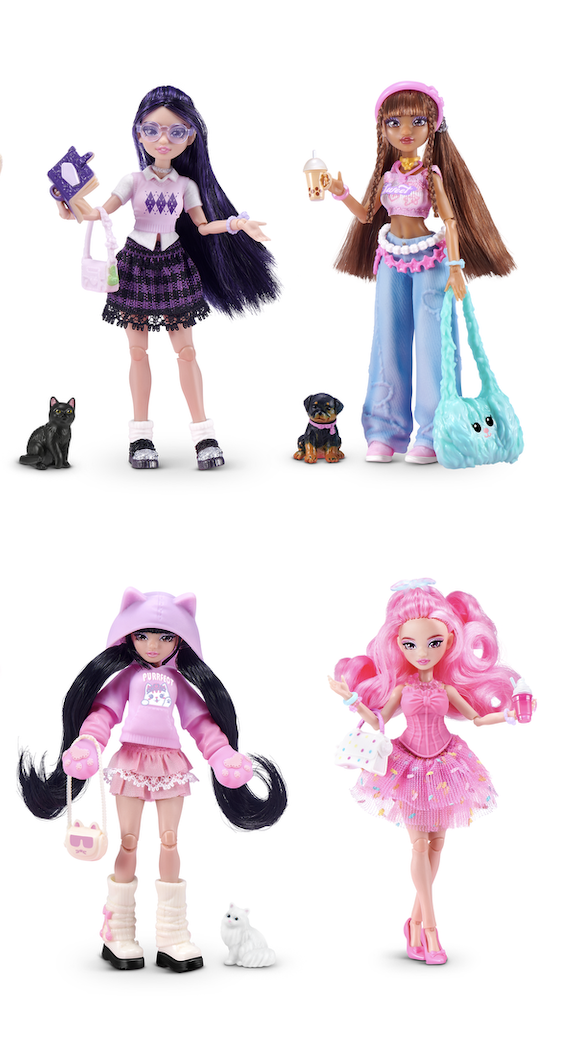
MINNEE is the new fashion doll turning collecting into a styling exercise
Afika Jadezweni Meet MINNEE: the tiny fashion doll arriving in South Africa just as our obsession with making everything a little more “us” reache...
Smart choices start with reliable information
As readers of All That know, the right purchase decision begins long before you open your wallet.

If you're not watching these TV shows, you're missing the conversation
Cold fronts, comfort food and cancelling plans?