









Ticks and fleas are killing your pets – and are dangerous for your family
If you think ticks and fleas are just an itchy nuisance, think again. In South Africa, ticks are responsible for the number one disease killing dogs – and the very same parasites that latch onto your pet can fall off in your home, crawl into your bedding, and bite you or your children. Every year, people in South Africa die from tick-borne fevers they picked up from ticks that started on a dog. The only proven defence is year-round tick and flea protection.
Here’s what every dog owner needs to know about the deadly diseases ticks and fleas carry – first for your dog, and then for your family.
Why ticks and fleas are deadly for your dog
Biliary fever – The number one killer of dogs in South Africa
Biliary fever, also known as canine babesiosis, is the most common disease affecting dogs in South Africa. In South Africa, the predominant and most virulent causative species is Babesia rossi, primarily transmitted by the yellow dog tick (Haemaphysalis elliptica). The brown dog tick (Rhipicephalus sanguineus) more commonly transmits Babesia vogeli, a less virulent but still significant species. Once inside, the parasites multiply inside your dog’s red blood cells and destroy them. It’s not unlike malaria in humans. Within 10 to 28 days of the tick bite, your dog may show:
- Lethargy and weakness – your dog seems tired, reluctant to play or exercise
- Loss of appetite – refusing food or eating less than usual
- Fever – often high, though not always obvious
- Pale gums – a sign of anaemia as red blood cells are destroyed
- Dark or red-tinged urine – a hallmark of babesiosis as broken-down blood cells are filtered by the kidneys
- Jaundice – yellowing of the gums or whites of the eyes
In severe cases, the parasites release toxins that attack the lungs, heart, and brain. Dogs can develop acute kidney failure, respiratory distress, or cerebral babesiosis. Up to 30% of complicated biliary cases are fatal, and some severe complications are invariably so.
There is no vaccine – prevention is the only defence
Unlike rabies or parvovirus, there is no vaccine available for biliary fever in South Africa. Once your dog is infected, treatment relies on powerful drugs with very narrow safety margins – the same medicines that can be fatal if overdosed. Complicated cases may require blood transfusions, intravenous fluids, and days of expensive hospitalisation.
The message from vets is clear: prevention is better – and cheaper – than cure.
Other tick-borne diseases threatening your dog
Ticks carry more than just Babesia. Your dog is also at risk from:
- Ehrlichiosis – caused by Ehrlichia canis, transmitted by the brown dog tick. Unlike biliary fever, which destroys red blood cells, ehrlichiosis attacks the immune system’s white blood cells causing fever, bleeding disorders, swollen lymph nodes, and chronic illness that can persist for months.
- Anaplasmosis – similar to ehrlichiosis, causing lethargy, joint pain, and bleeding disorders.
All of these diseases share one thing in common: they are transmitted by tick bites, and they are all preventable with proper tick control.
And then there are fleas
While ticks grab the headlines for deadly disease, fleas are no less dangerous. A single female flea can lay up to 50 eggs per day, meaning a few fleas on your dog can become thousands within two weeks – infesting your carpets, bedding, and furniture.
For dogs, fleas cause:
- Flea allergy dermatitis – an allergic reaction to flea saliva that causes severe itching, hair loss, and skin infections
- Tapeworm infection – if your dog swallows an infected flea while grooming
- Anaemia – especially in puppies and small dogs with heavy infestations, as fleas feed on blood
- Secondary skin infections – from constant scratching and biting
The hidden danger to you and your family
When dog ticks bite humans
Here’s what most dog owners don’t realise: the ticks that feed on your dog don’t stay on your dog. They drop off, fall into your home, and seek a new host – which could be you, your partner, or your child.
In South Africa, two forms of tick bite fever affect humans, and both are transmitted by ticks commonly found on dogs:
- Mediterranean Spotted Fever-like illness (caused by Rickettsia conorii) is transmitted primarily by the brown dog tick (Rhipicephalus sanguineus), with the yellow dog tick (Haemaphysalis elliptica) also implicated as a vector in South African literature. These are the same tick species associated with biliary fever in dogs. This form is often encountered in urban and peri-urban areas, meaning your home and garden. It can cause severe illness and, in some cases, fatal complications, especially in the elderly, young children, and pregnant women.
- African Tick Bite Fever (caused by Rickettsia africae) is the most widespread rickettsial infection in southern Africa. Reported infection rates in tick populations vary considerably by region, with studies typically finding between 11% and 59% of ticks infected. While generally milder than Mediterranean Spotted Fever-like illness, it still produces an unpleasant and debilitating illness.
Symptoms of tick bite fever in humans
Tick bite fever in humans typically appears 5 to 7 days after the tick bite and includes:
- High fever and chills
- Severe headache
- Muscle and joint pain
- A black scab (eschar) at the site of the tick bite – often hidden in hair, behind ears, or in skin folds
- Swollen, tender lymph nodes
- A rash – usually on the limbs, sometimes spreading to the trunk
In severe cases – particularly with R. conorii infection – complications can include organ failure, neurological symptoms, and even death. Every year, several people in South Africa die unnecessarily from tick bite fever, according to the National Institute for Communicable Diseases.
The solution: Kill the tick before it can transmit disease
Here’s the critical insight that makes all the difference: while tick attachment time before Babesia transmission has traditionally been cited as around 24 hours, research has demonstrated that transmission can occur in as little as 8 hours under certain conditions – for example, when a tick has previously fed on an infected host. Because the feeding history of any individual tick encountered in the wild cannot be known, waiting is not a safe strategy. The only reliable defence is a product that kills ticks as rapidly as possible after they attach.
This is exactly what Bravecto does. Bravecto’s active ingredient, fluralaner, kills fleas within 2 hours of administration. Tick kill times vary by species – for several key species, ticks are killed within 8 to 12 hours of attachment, well before disease transmission is likely to occur. Always consult the product label or your veterinarian for species-specific information relevant to your area. And a single dose protects your dog for a full 12 weeks, nearly three times longer than monthly treatments.
Choose Your Format
Bravecto comes in two formats, so you can pick what works best for your dog:
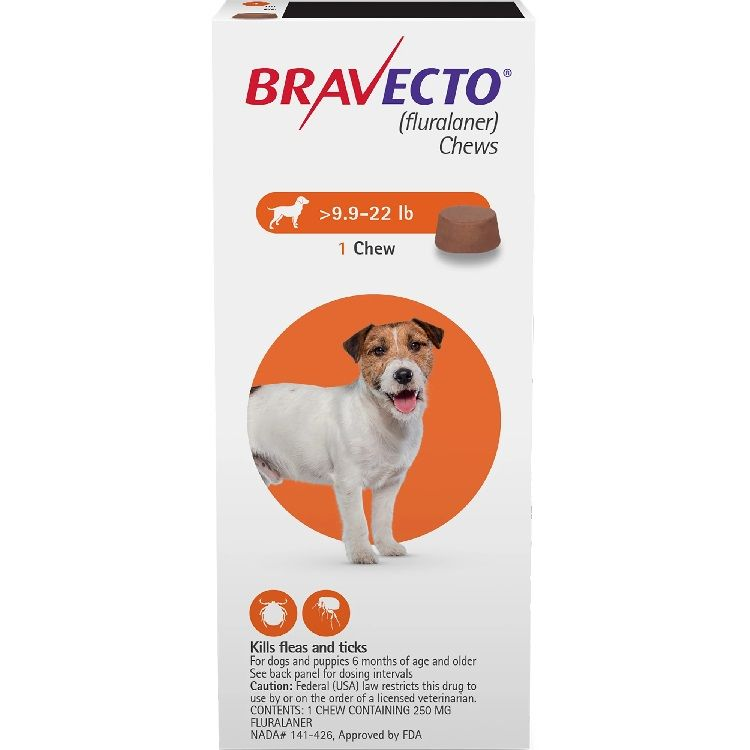
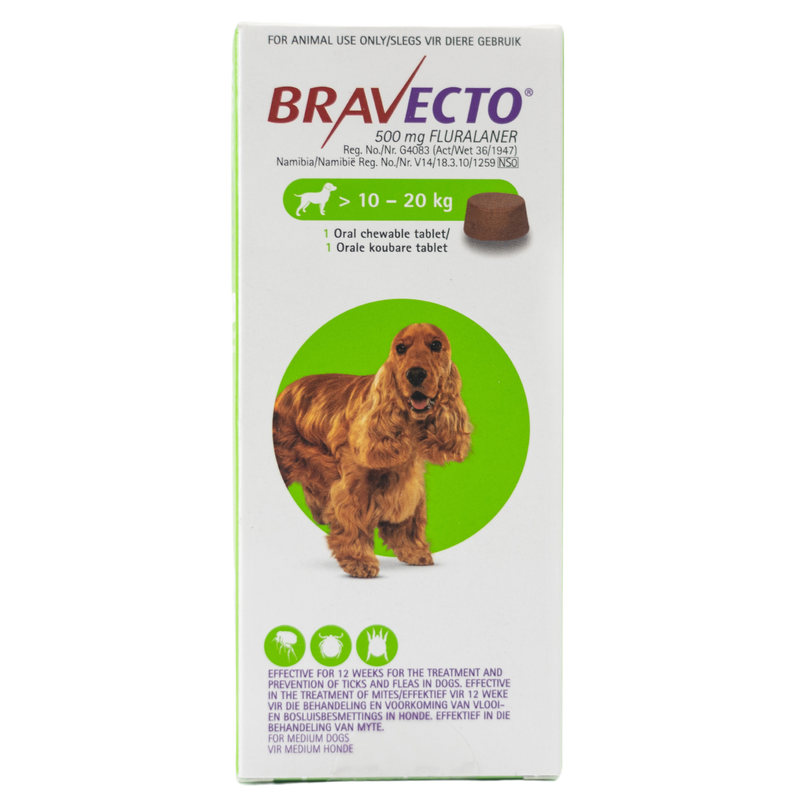
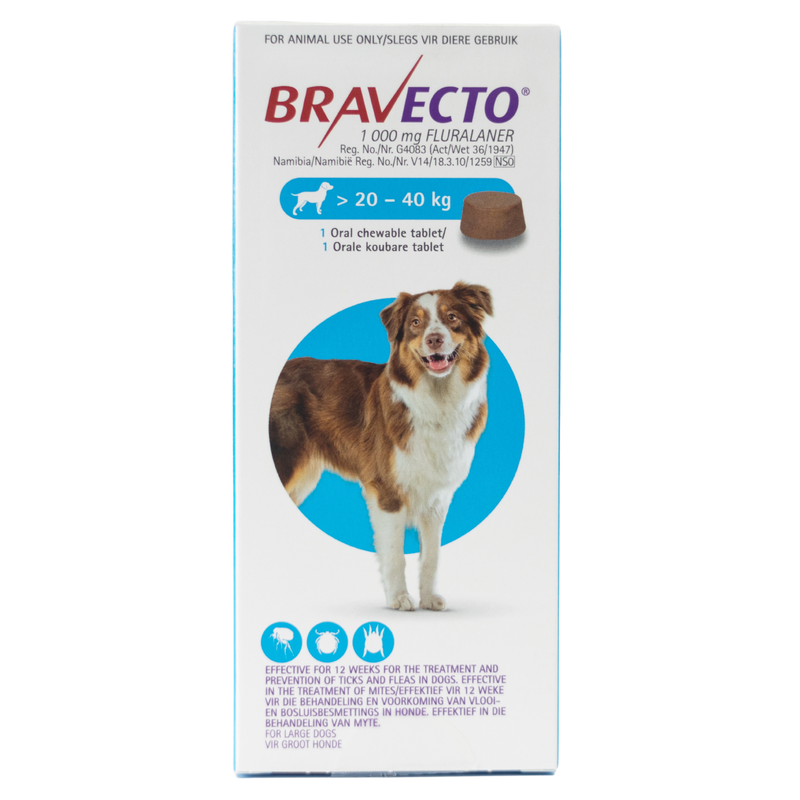
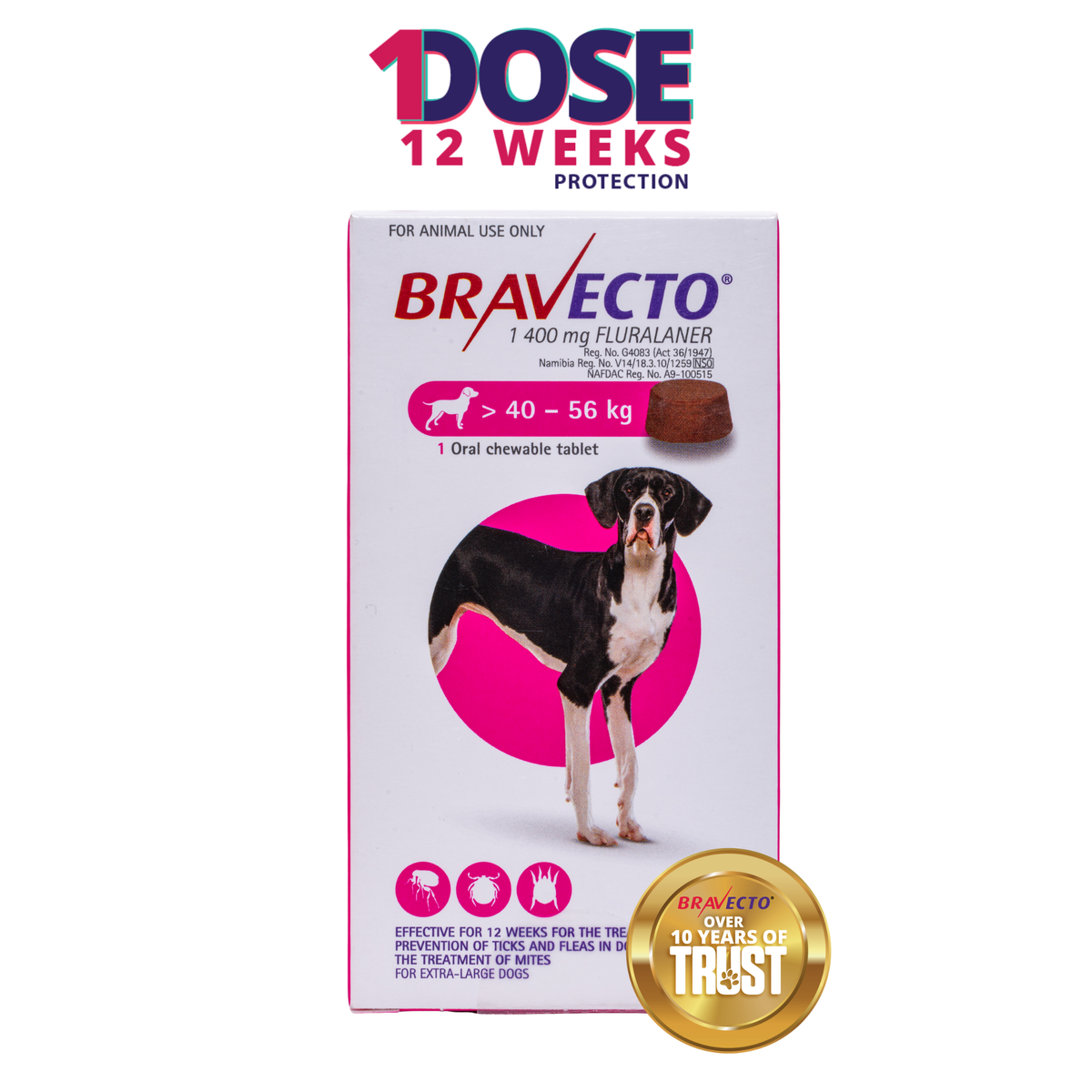
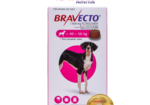
Bravecto Chewable Tick & Flea Tablet
A tasty chew that most dogs take willingly, like a treat. One chew delivers 12 weeks of protection against both ticks and fleas. No mess, no fuss, and you don’t have to remember a monthly dose.
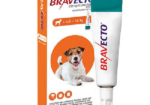
Bravecto Tick & Flea Spot-On for Dogs
The spot-on format is ideal for dogs that are fussy eaters, difficult to tablet, or simply prefer not to take an oral medication. Applied directly to the skin, it provides the same 12-week protection. (Also water-resistant – bathing or swimming 3 days after application won’t reduce effectiveness.)
But it from takealot.com
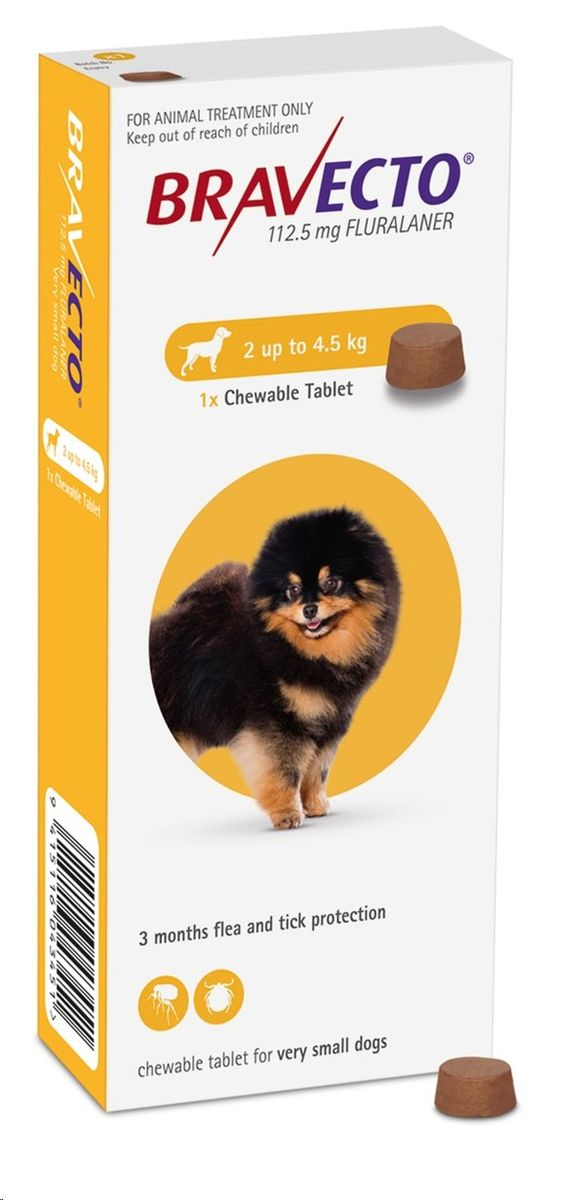
Chewable tablet for dog 2,8kg to 4,5kg
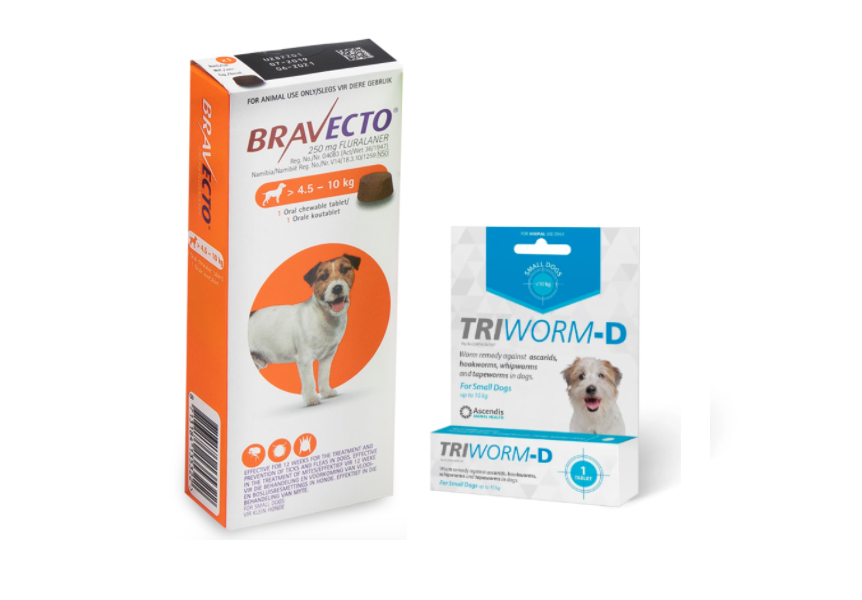
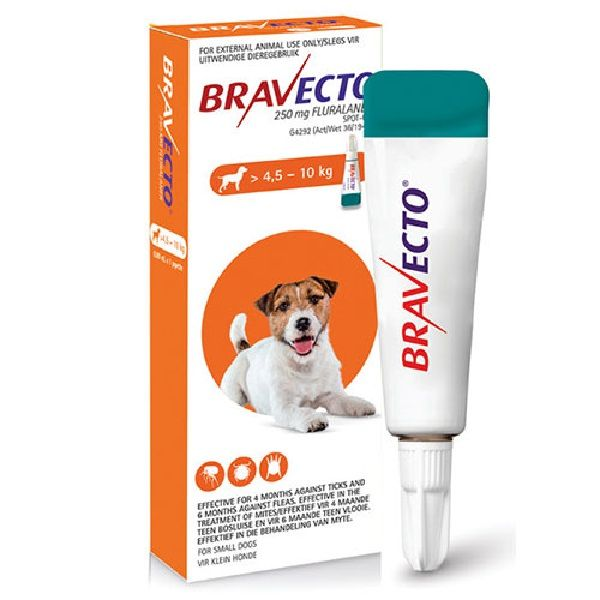
Chewable tablet for dog 4,5kg to 10 kg
Chewable tablet + dewormer
Chewable tablet for dog 10kg to 20kg
Chewable tablet for dog 20k to 40kg
Chewing tablet for dog 40kg to 56kg
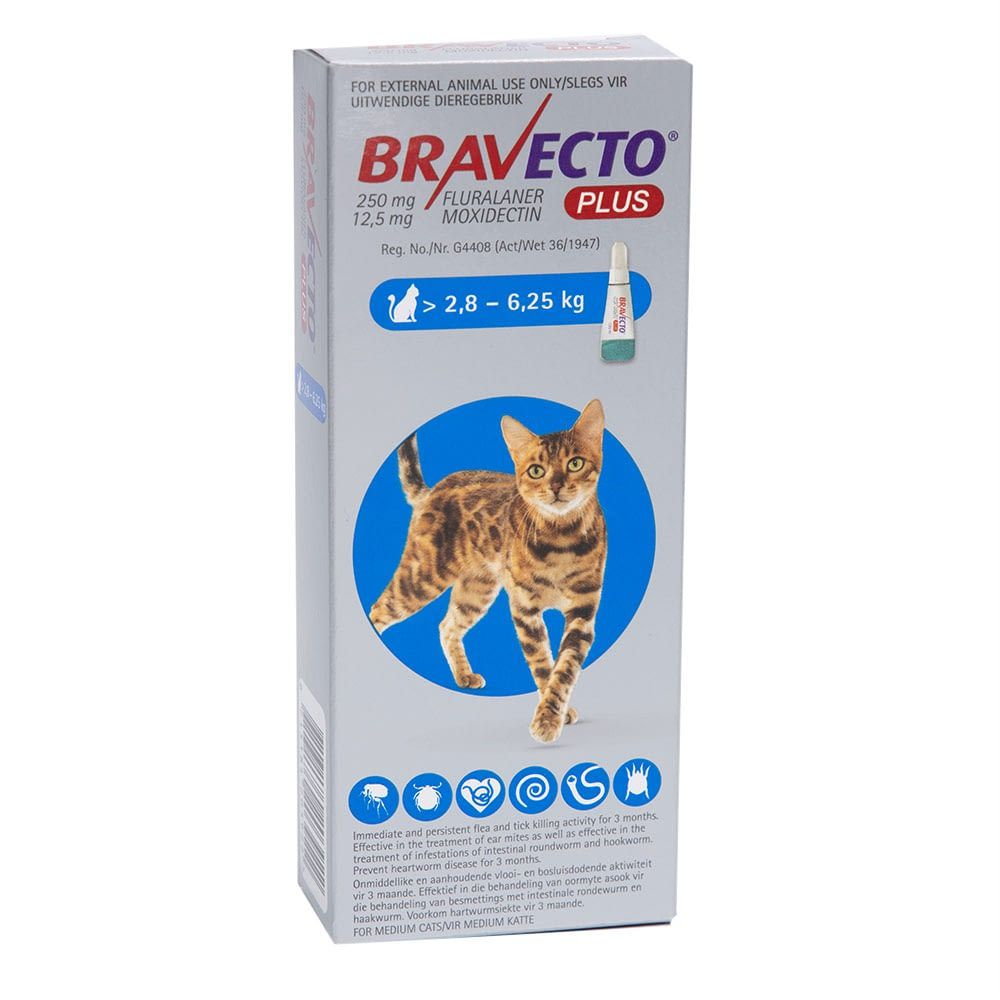
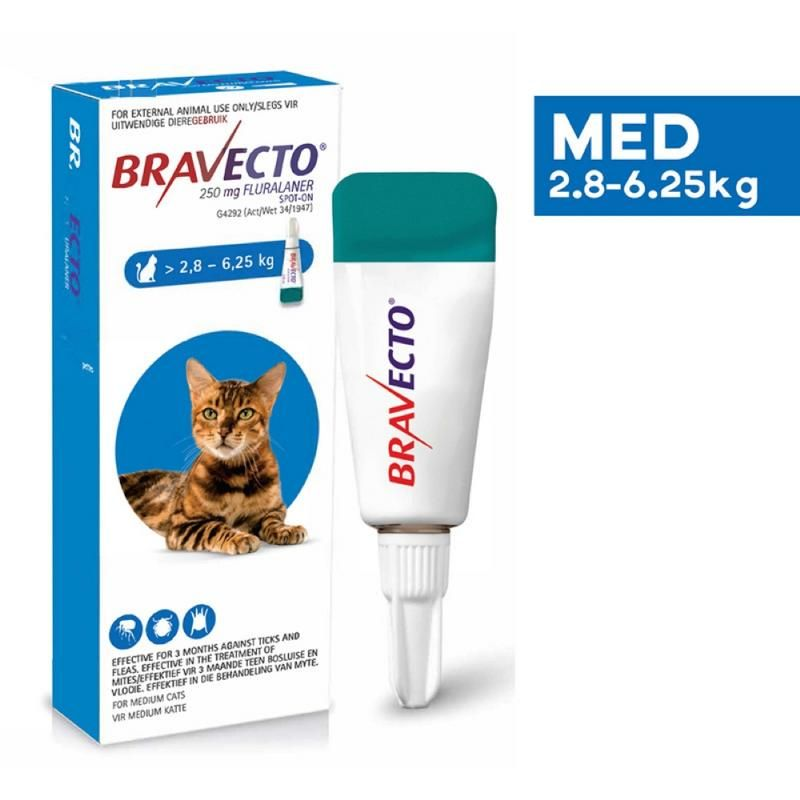
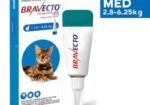
Chewable tablet for a medium cat
Spot-on for dogs
Spot-on for cats
Always read the product label and consult your veterinarian before starting any new tick and flea prevention programme. Bravecto is available in different sizes based on your dog’s weight – be sure to select the correct one. The information in this article is provided for general guidance only and is not a substitute for professional veterinary advice. You use this advice at your own responsibility, and the author and publisher accept no liability for any decisions made based on this content.
This article was not sponsored but contains affiliate links. If you make a purchase through these links, ALL THAT will receive a small commission at no extra cost to you. All opinions expressed are those of the editorial team.
Also read

Your dog is not naughty – He’s just bored, and this inexpensive tool can fix it
Coming home to chaos isn’t fun – chewed shoes, destroyed cushions, and a dog who looks guilty the second you walk through the door.

Genius or Goofball? Test Your Dog's IQ in Minutes
We like to brag about how clever our pets are – but how intelligent are they really?

Looking for a running buddy? These 6 Types of Dogs are BEST
Some pups were bred for speed; others are better suited to a slow and steady pace.