


Garmin Cirqa Smart Band: Serious fitness tracking without the expensive watch or monthly subscription
Gerda Engelbrecht
I’ve been wearing a Garmin Fenix for years now, and whilst it’s an exceptional fitness watch, it’s simply too bulky and uncomfortable to wear to bed – which means I’m missing out on crucial health data. Launched in July 2026, the Garmin Cirqa Smart Band solves that problem, but it’s also Garmin’s answer to a much broader market: people entering the fitness tracking world who don’t want to spend R15 000 on a sports watch, those who prefer elegant traditional watches for daily wear but still want comprehensive health monitoring, and anyone seeking serious fitness tracking without monthly subscription fees.
The Cirqa is Garmin’s first screenless fitness tracker, and it arrives at an interesting time. Whilst other brands have been pushing smart rings as the next big thing in health tracking, most of these require monthly subscription fees to access your own health data. Garmin’s approach is refreshingly different: the Cirqa is a discreet band that promises comprehensive health insights without the bulk, without the screen, and crucially, without a subscription fee.
At R4 499, it sits in an interesting price bracket – more expensive than basic fitness trackers, but cheaper than most sports watches, and competitively priced against smart rings when you factor in that you’re not paying R120 to R180 every month for the privilege of viewing your own data.
An entry point into serious health tracking
If you’ve been curious about fitness tracking but hesitant to invest in an expensive sports watch, the Cirqa makes perfect sense. You get all the core health metrics – heart rate monitoring, step counting, calories burned, sleep analysis, stress tracking, and even training insights – without needing to learn a complex watch interface or commit to wearing a chunky device on your wrist.
For someone new to fitness wearables, the screenless design is actually a benefit. There’s no temptation to constantly check stats, no notifications to distract you, and no learning curve beyond downloading the Garmin Connect app. You simply wear it, and it quietly collects data about your health and activity throughout the day and night.
The Cirqa tracks your daily steps, monitors your heart rate 24/7, calculates your Body Battery (Garmin’s energy monitoring system that shows when you’re charged up or need rest), and provides genuine training metrics like VO2 max estimates, training load, and recovery time. These aren’t dumbed-down metrics either – you’re getting the same sophisticated algorithms that Garmin uses in their premium sports watches.
Why 24/7 monitoring actually matters
Here’s what many people don’t realise until they start tracking their health data: what happens whilst you sleep is just as important as what you do during the day.
Your resting heart rate, heart rate variability (HRV), and overnight respiration patterns provide crucial insights into your recovery, stress levels, and overall health. Your Body Battery score in the morning – which tells you how ready you are to tackle the day – is largely determined by the quality of your sleep and how well your body recovered overnight.
For anyone serious about fitness – whether you’re training for a race or simply trying to maintain a healthy lifestyle – this continuous monitoring helps you understand when to push hard and when to take it easy. But you can’t get this data if your fitness watch is too uncomfortable to sleep in.
That’s my situation with the Fenix. It’s a brilliant training tool, but sleeping with its rigid bezel and protruding sensors pressing into my wrist just doesn’t work. The Cirqa, at just 20g, solves that problem completely.
What you’re actually getting
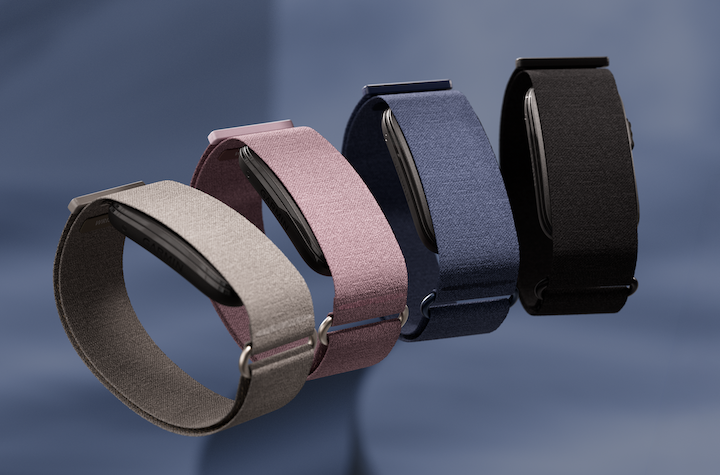
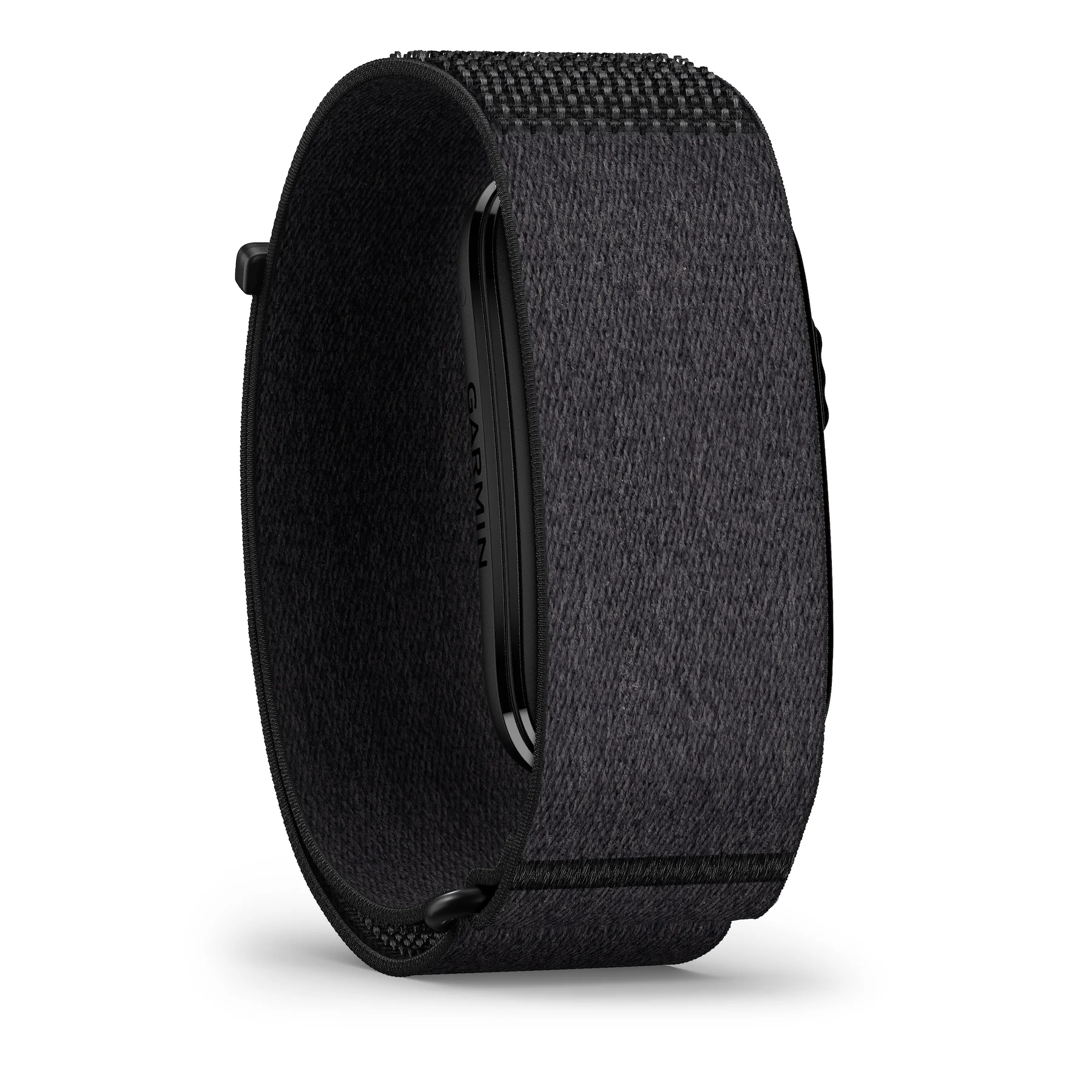
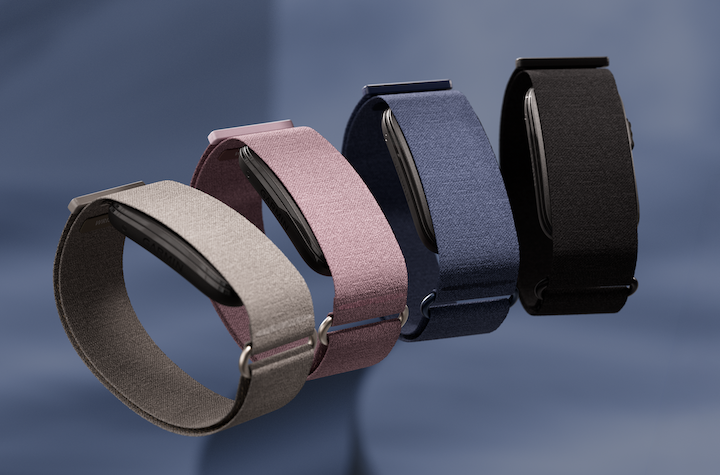
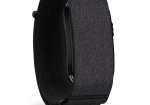
The Garmin Cirqa is refreshingly simple in concept: it’s a 27mm-wide soft band with a detachable sensor pod. There’s no screen to distract you, no constant notifications, and no need to charge it every other day – Garmin claims 10 days of battery life.
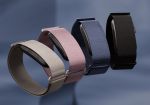
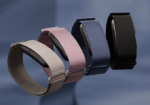
The band comes in two sizes (small/medium and large/XL) and four colours: black, French grey, navy blue, and mauve. The design is understated enough to wear all day, whether you’re in the boardroom or the gym, and the Velcro strap allows for quick adjustments when you need to tighten it for a workout or loosen it for comfort.
What impressed me is the sensor technology packed into that tiny pod. The Cirqa uses Garmin’s Elevate Gen4 optical heart rate sensor – the same technology found in many of their premium watches – which continuously monitors your heart rate, tracks HRV trends, measures blood oxygen levels (SpO2) overnight, and records your respiration rate.
Competing with smart rings – without the subscription trap
The smart ring market has exploded recently, with brands like Oura leading the charge. These rings promise discreet, 24/7 health tracking that doesn’t look like traditional fitness tech. The problem? Most require monthly subscriptions to access your data.
Garmin’s approach with the Cirqa is fundamentally different. You pay R4 499 once, and you get complete access to all your health and activity data through Garmin Connect for free. There’s an optional Garmin Connect+ subscription that adds extras like structured workout plans and nutrition logging, but all your core health metrics, sleep analysis, training insights, and historical data are included with the device.
For someone entering the fitness tracking world, this is a significant consideration. You’re not locked into a recurring payment just to see your own health data.
The Garmin ecosystem advantage
What makes the Cirqa genuinely compelling is how it fits into Garmin’s broader ecosystem. It connects seamlessly to the Garmin Connect app – the same app used by millions of Garmin watch owners worldwide. This means:
- No separate app to learn: If you later decide to upgrade to a Garmin sports watch, all your historical data comes with you
- True-up functionality: If you do own multiple Garmin devices (like I do), your health and activity data synchronises across all of them automatically
- Proven platform: Garmin Connect has been refined over years, with comprehensive data visualisation, trend analysis, and integration with third-party platforms like Strava
- This ecosystem integration is something the standalone smart ring brands simply can’t match.
Activity tracking without a screen
You might wonder how a screenless band handles activity tracking. Garmin has implemented three methods:
- Automatic detection: The Cirqa will recognise when you start a workout and create an activity automatically. You’ll get a prompt in the app to confirm the sport type.
- Button start: There’s a single physical button on the pod that you can press to manually start an activity. You can configure which sport it defaults to, and it’ll use your phone’s GPS to track distance and route.
- App start: You can launch a workout directly from Garmin Connect on your phone, choosing from over 80 sport profiles.
For someone new to fitness tracking, the automatic detection is brilliant – just start moving, and the Cirqa captures it. For those of us who also own Garmin sports watches, the Cirqa is perfect for capturing incidental activities – a lunchtime walk, a quick yoga session, or a spontaneous swim – without needing to strap on a full-featured watch.
The health metrics that matter
Beyond basic step counting, the Cirqa provides genuinely useful health insights:
Sleep analysis: Automatically detects when you fall asleep (including naps), breaks down your sleep into stages, assigns a sleep score, and provides Sleep Coach insights to help improve your rest. It even measures skin temperature overnight, which is particularly useful for women tracking their menstrual cycles.
Heart rate monitoring: Continuous 24/7 tracking with alerts for abnormally high or low heart rate. It also tracks HRV trends, which are increasingly recognised as a key indicator of recovery and stress.
Body Battery: Garmin’s energy monitoring system that combines stress, sleep quality, activity, and HRV to give you a 0-100 score showing how much energy you have. It’s surprisingly accurate at predicting when you’ll feel energised or depleted.
Training metrics: VO2 max estimates, training effect analysis, training load tracking, and recovery time recommendations – the same metrics used by serious athletes, now accessible to everyone.
Stress tracking: Monitors your stress levels throughout the day based on HRV, helping you identify patterns and triggers.
The Cirqa also includes women’s health tracking with integration for the Natural Cycles app, and even broadcasts your heart rate via ANT+ or Bluetooth to pair with gym equipment or indoor cycling apps.
Who Should Consider the Cirqa?
The Garmin Cirqa Smart Band fills several niches brilliantly:
- People new to fitness tracking who want comprehensive health metrics without investing in an expensive sports watch or committing to monthly subscription fees
- Those who prefer traditional watches but want health and fitness tracking without wearing a bulky sports watch daily
- Fitness watch owners (like me) who want continuous health monitoring, especially overnight, without sleeping in an uncomfortable watch
- Anyone seeking a subscription-free alternative to smart rings and other screenless trackers
- Garmin ecosystem users who want seamless integration with their existing devices and data
At R4 499, the Cirqa isn’t the cheapest fitness tracker on the market, but you’re paying for Garmin’s proven sensor technology, comprehensive health metrics, and integration into one of the most sophisticated fitness ecosystems available – all without ongoing costs.
ALL THAT says
The Garmin Cirqa Smart Band represents a smart entry point into serious health tracking, and a genuine alternative to the subscription-heavy smart ring market. Whether you’re taking your first steps into fitness monitoring or you’re an experienced athlete looking for comfortable 24/7 tracking, the Cirqa delivers.
For me, it solves a real problem: how to get continuous health monitoring without compromising comfort.
Buy it HERE from takealot.com
This article was not sponsored but contains affiliate links. If you make a purchase through these links, ALL THAT will receive a small commission at no extra cost to you. All opinions expressed are those of the editorial team.
Also read

Apple’s double launch: Should you upgrade to the iPhone 18 Pro now, or wait for the Duo?
Gerda Engelbrecht Apple has shaken up its traditional September release schedule, delivering not one but two distinct flagship experiences: the photog...
I tested the Garmin Edge 1050 over 230 km (and 17 and a half hours) and this is why I love it…
How the Garmin Edge 1050 (a.k.a.
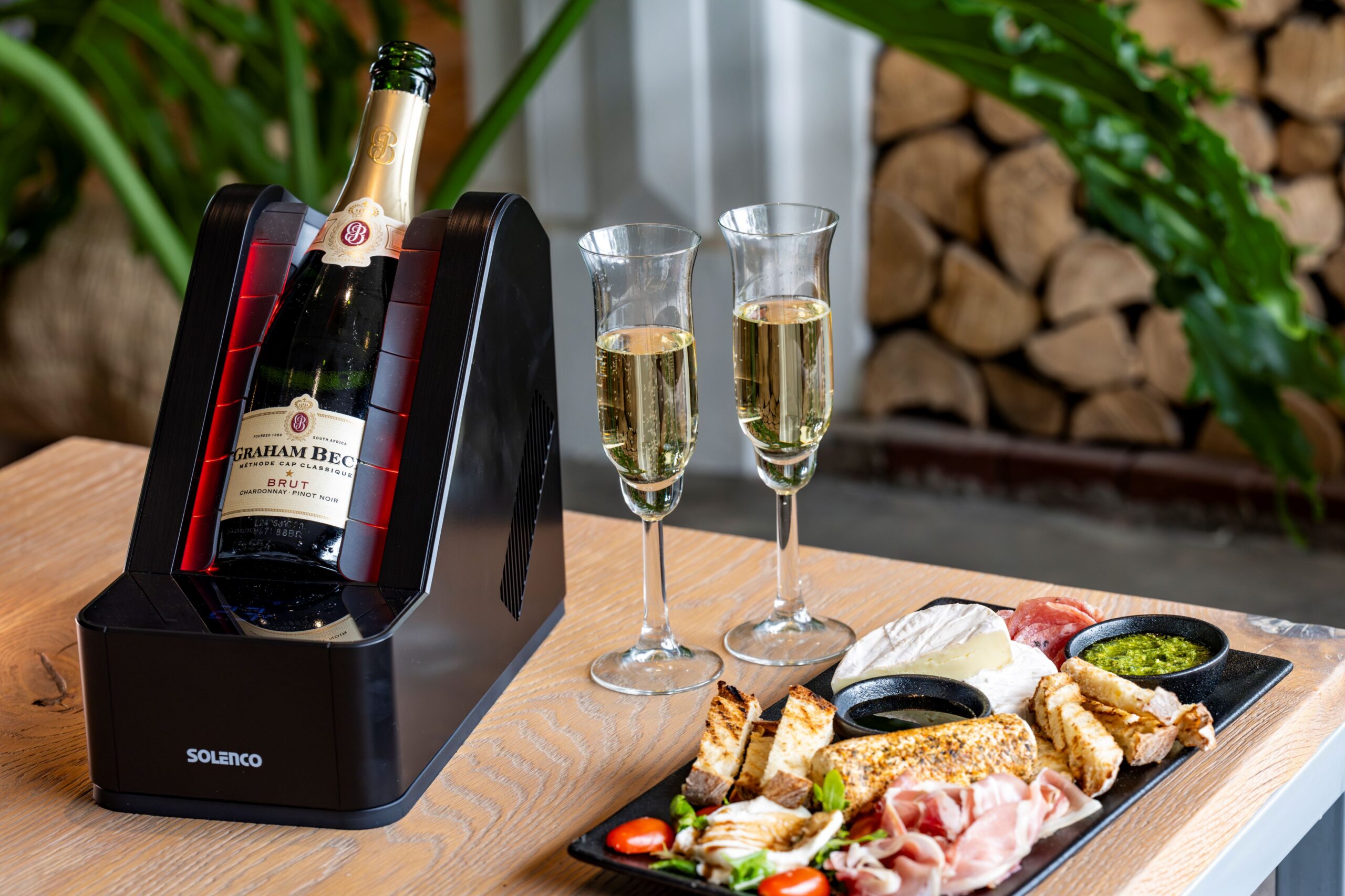
The 20-Minute Window: Why your wine only tastes perfect for a few moments
Wilmer Muller TESTED: If you regularly treat yourself to expensive wine, you should also treat yourself to a gadget to serve it properly. We tested th...